


Type 1 diabetes is an autoimmune condition in which the immune system attacks and destroys the cells in the pancreas that produce insulin. This leads to high blood sugar levels and symptoms such as dry mouth, constant thirst, and frequent urination.
Type 1 diabetes is usually linked to genetic and autoimmune factors, which cause the pancreas to produce little or no insulin. As a result, the body is unable to use the sugar in the blood properly, leading to high levels of glucose remaining in the bloodstream.
The treatment for type 1 diabetes, also known as childhood diabetes or insulin-dependent diabetes, is managed by an endocrinologist or pediatrician and involves the use of insulin to control symptoms and prevent complications. Lifestyle changes are also important to help manage the condition.
Common symptoms
The main symptoms of type 1 diabetes include:
-
Constant thirst and hunger
-
Frequent urge to urinate
-
Excessive fatigue
-
Unexplained weight loss
-
Abdominal pain or vomiting
-
Mood changes, irritability, or difficulty concentrating
-
Frequent vaginal yeast infections in girls and women
-
Slow wound healing
Type 1 diabetes symptoms can appear suddenly and are related to the buildup of glucose in the blood due to poor pancreatic function and lack of insulin.
In children, additional signs may include bedwetting after previously being dry at night, difficulty gaining weight, or recurrent infections in the genital area.
Confirming a diagnosis
Type 1 diabetes is diagnosed by an endocrinologist through an evaluation of symptoms and blood tests, such as glycated hemoglobin (HbA1c), which measures average blood sugar levels over the past two to three months, and fasting blood glucose levels.
The doctor may also request other tests, such as a fasting blood sugar test to assess glucose levels, a urine test to check for ketones, or autoantibody tests that are commonly present in people with type 1 diabetes.
Learn more about the types of diabetes and how they can present.
Possible causes
The exact cause of type 1 diabetes is not fully understood, but it is believed to involve genetic and environmental factors. These factors can lead to the destruction of the beta cells in the pancreas by the immune system, which mistakenly identifies them as harmful.
Environmental triggers, particularly viral infections, may play a role in initiating this autoimmune response in people who are genetically predisposed.
What is the difference between type 1 and type 2 diabetes?
In type 1 diabetes, the immune system attacks and destroys the insulin-producing cells in the pancreas, leading to a sudden onset of the disease due to a complete lack of insulin in the body.
Type 2 diabetes, on the other hand, results from insulin resistance in peripheral tissues, especially in the muscles and fat. This form of diabetes develops as a result of multiple factors, such as excess weight, a sedentary lifestyle, and genetics.
Treatment options
Treatment for type 1 diabetes should be guided by an endocrinologist to help control blood sugar levels and prevent complications.
The main treatments for type 1 diabetes include:
1. Insulin use
Daily insulin is required through injections under the skin or, in some cases, with an insulin pump. This replaces the insulin the pancreas can no longer produce.
There are different types of insulin that should be used according to the guidance and recommendation of the endocrinologist.
Also recommended: Diabetes Medications: Insulin, Oral Meds & Natural Options tuasaude.com/en/diabetes-medications2. Blood sugar monitoring
Blood sugar levels can be monitored through lab tests ordered by the doctor, such as fasting blood glucose and HbA1c. Generally, the goal is to maintain HbA1c levels below 7%.
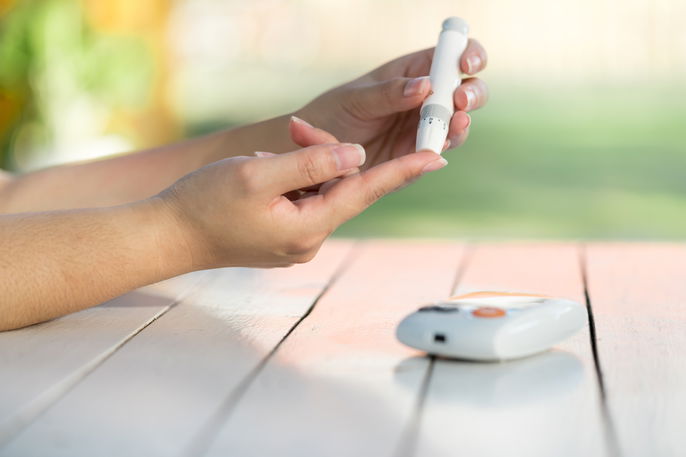
In addition, blood sugar levels can be measured at home using a glucose meter. In this case, glucose should be monitored before and after meals. Recommended levels are typically between 70 and 130 mg/dL before meals and below 180 mg/dL after meals.
3. Diabetes diet
To support treatment, it is important to consult a dietitian who can guide a diet that is low in sugar and carbohydrates, including foods like bread, cake, rice, pasta, cookies, and certain fruits.
A higher intake of fiber and whole grains is also recommended.
4. Physical activity
Physical activity, such as walking, running, or swimming, as recommended by a healthcare professional, can also help manage blood sugar levels.
Possible complications
If not properly diagnosed and treated, type 1 diabetes can lead to diabetic ketoacidosis. This is a serious condition characterized by high blood sugar levels and increased acidity in the blood.
Other complications of poorly managed type 1 diabetes may include vision problems, heart disease, and kidney disease.