


Turf toe is a sprain of the joint at the base of the big toe, known as the first metatarsophalangeal joint. It usually happens when the toe bends too far upward, which can stretch or tear the surrounding ligaments.
This condition is common in athletes who play on artificial turf or hard surfaces, especially in sports that involve running and sudden stops. Symptoms often include pain, swelling, and difficulty moving the big toe, which can affect walking or sports performance.
Treatment depends on how severe the injury is and may range from rest and supportive care to surgery in more serious cases. Early evaluation is important to prevent long-term complications, such as stiffness or chronic pain.
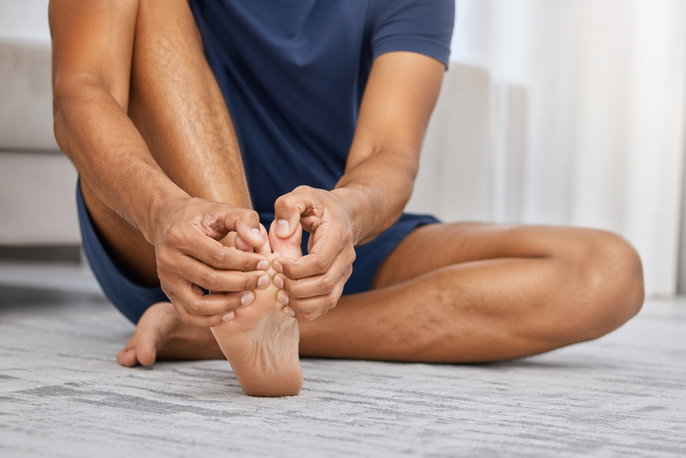
Main symptoms
Turf toe symptoms usually affect the big toe joint and may appear suddenly after an injury or develop over time with repeated stress.
This condition typically presents with symptoms such as:
-
Pain at the base of the big toe, especially when pushing off the foot
-
Swelling and tenderness around the joint
-
Limited movement or stiffness in the toe
-
Bruising or discoloration in more severe cases
-
Difficulty walking, running, or bearing weight on the foot
These symptoms can vary depending on the severity of the injury, from mild discomfort to significant functional limitation.
Common causes
Turf toe is not an infection and is not transmitted between people. It is caused by injury to the big toe joint, usually due to excessive upward bending.
1. Hyperextension injury
The most common cause is a forceful upward bending of the big toe, which can stretch or tear the ligaments that support the joint. This type of injury often occurs when the foot is firmly planted on the ground and the heel lifts, placing excessive pressure on the toe joint. It can happen suddenly during movement or impact.
2. Sports and physical activity
Activities that involve running, jumping, or sudden direction changes increase the risk of turf toe. Sports such as football, soccer, basketball, and dance place repeated stress on the front of the foot. These movements can overload the big toe joint, especially during push-off or rapid stops.
3. Footwear and surface
Wearing flexible shoes that do not provide enough support can increase strain on the toe joint. Shoes with thin soles or poor structure allow the toe to bend more than normal during activity. Playing on artificial turf or hard surfaces further increases the force applied to the joint, raising the risk of injury.
4. Repetitive stress
Repeated pressure on the big toe joint over time can lead to gradual injury, even without a single clear traumatic event. This is more common in athletes or individuals with frequent high-impact activity. Over time, the continuous strain can weaken the supporting structures and lead to pain and inflammation.
Confirming a diagnosis
Turf toe is usually diagnosed through a physical exam and a review of symptoms and injury history. Doctors look for pain, swelling, and reduced movement in the big toe joint, as well as signs of instability.
Imaging tests, such as X-rays, may be used to rule out fractures or other bone injuries. In more complex cases, MRI or other imaging methods can help assess damage to soft tissues like ligaments and cartilage.
The severity of turf toe is often graded based on how much the ligaments are stretched or torn, which helps guide treatment decisions.
Treatment options
Treatment for turf toe may include:
1. Conservative treatment
Most cases of turf toe can be treated without surgery. Resting the foot and avoiding activities that worsen symptoms is essential. Ice, compression, and elevation can help reduce swelling and pain.
Supportive measures, such as taping the toe, using stiff-soled shoes, or wearing orthotic inserts, may help protect the joint during healing. Pain relief medications and physical therapy can also support recovery.
2. Rehabilitation
Physical therapy may be recommended to restore strength, flexibility, and range of motion in the toe and foot. Gradual return to activity is important to prevent reinjury.
3. Surgical treatment
Surgery may be considered in severe cases where there is significant ligament damage, joint instability, or persistent symptoms that do not improve with conservative care.
Prevention measures
Preventing turf toe involves reducing stress on the big toe joint and improving foot support.
-
Wearing shoes with good forefoot support and stiffness
-
Using orthotics or inserts when needed
-
Avoiding overly flexible footwear during sports
-
Strengthening foot and calf muscles
-
Warming up properly before physical activity
-
Being cautious on hard or artificial surfaces
These measures can help lower the risk of injury, especially in people who regularly participate in sports.
When to see a doctor
Medical evaluation is important if there is severe pain, difficulty walking, or persistent swelling in the big toe. Early diagnosis and treatment can help prevent complications, such as long-term stiffness or joint problems.