


Trichodynia is a condition characterized by pain, burning, or discomfort on the scalp, often described as soreness or sensitivity in the hair or scalp area. It is commonly associated with hair disorders and scalp sensitivity rather than visible skin changes.
People with trichodynia may experience symptoms such as scalp tenderness, itching, or burning sensations, especially when touching or combing the hair. The condition is frequently reported in individuals with certain types of hair loss, including telogen effluvium and androgenetic alopecia.
Management of trichodynia focuses on identifying possible triggers, treating any associated hair or scalp condition, and relieving symptoms. Medical evaluation is recommended when scalp pain persists, worsens, or occurs together with noticeable hair loss or other scalp symptoms.
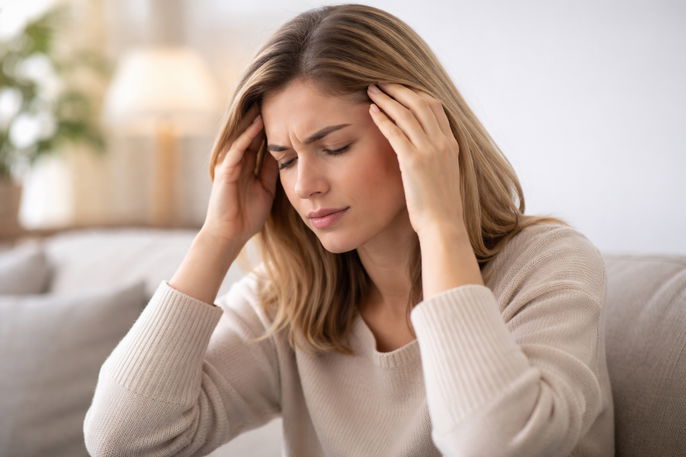
Main symptoms
Trichodynia mainly affects the scalp and hair roots, producing uncomfortable sensations that may vary in intensity throughout the day.
Common symptoms include:
-
Scalp pain or tenderness
-
Burning or stinging sensation on the scalp
-
Itching or scalp irritation
-
Pain when touching or moving the hair
-
Increased sensitivity of the scalp
-
Discomfort when combing or styling the hair
These symptoms may appear without visible scalp changes and are often reported together with hair shedding or hair loss disorders.
Possible causes
The exact cause of trichodynia is not fully understood, but research suggests that it may result from a combination of neurological, dermatological, and psychological factors.
1. Neurogenic inflammation
One proposed mechanism involves neurogenic inflammation, in which nerve endings in the scalp release substances such as neuropeptides. These substances can increase sensitivity and pain perception in the scalp.
2. Hair loss disorders
Trichodynia is commonly reported in people with certain types of hair loss, including:
-
Telogen effluvium
-
Androgenetic alopecia
In these conditions, inflammation or changes in the hair growth cycle may contribute to scalp discomfort.
3. Psychological and emotional factors
Studies have found associations between trichodynia and psychological conditions such as anxiety, depression, and stress. Emotional stress may increase scalp sensitivity and contribute to symptom intensity.
4. External scalp triggers
Certain external factors may worsen scalp discomfort, including:
-
Harsh hair care products
-
Frequent chemical treatments
-
Tight hairstyles
-
Environmental irritants
These triggers may disrupt the scalp barrier or increase scalp sensitivity.
Confirming a diagnosis
Trichodynia is usually diagnosed through clinical evaluation and medical history. A dermatologist will assess the scalp, evaluate symptoms, and check for associated hair loss or scalp conditions.
Additional tests may sometimes be used to rule out other disorders. These may include trichoscopy (a magnified examination of the scalp and hair), hair pull tests, or other evaluations used to investigate hair loss conditions.
Treatment options
Treatment focuses on reducing symptoms and managing any underlying scalp or hair disorder.
1. Scalp care and trigger avoidance
Gentle scalp care is often recommended as a first step in treatment. This may include using mild shampoos, avoiding irritating hair products, and reducing mechanical stress on the hair and scalp.
2. Topical treatments
Some topical products may help relieve scalp discomfort, such as soothing scalp lotions or agents designed to reduce irritation and inflammation.
3. Medications
In more persistent cases, medications may be considered. These may include drugs that help reduce nerve-related pain or inflammation in the scalp.
4. Treating underlying hair conditions
If trichodynia occurs together with hair loss conditions such as telogen effluvium or androgenetic alopecia, treating the underlying condition may improve scalp symptoms.
5. Advanced or refractory treatments
In rare cases where symptoms do not respond to conventional therapies, other options may be explored under medical supervision. These may include specialized treatments aimed at reducing scalp nerve activity.
Prevention measures
Because trichodynia often results from multiple factors, prevention focuses mainly on reducing scalp irritation and managing triggers.
Helpful strategies may include:
-
Using gentle hair care products
-
Avoiding harsh chemical treatments
-
Limiting tight hairstyles that strain the scalp
-
Managing stress and emotional triggers
-
Seeking early treatment for hair loss conditions
Maintaining healthy scalp care habits may help reduce the likelihood of recurring scalp sensitivity or discomfort.