


- Trachoma is a contagious eye infection that can cause red, irritated eyes, swollen eyelids, discharge, and excessive tearing.
- Repeated trachoma infections can damage the cornea and may lead to vision loss or blindness if left untreated.
- Treatment is guided by an ophthalmologist and may involve antibiotics, eye cleaning, or surgery in more severe cases.
Trachoma is a type of conjunctivitis caused by the bacterium Chlamydia trachomatis. It can cause red, irritated eyes, swollen and red eyelids, pus-like eye discharge, and excessive tearing.
This eye infection is very contagious, especially in its early stages. It can spread through close contact, such as hugging or kissing a person with trachoma, or by touching the eyes after contact with contaminated objects or genital secretions that contain the bacteria.
Treatment for trachoma is guided by an ophthalmologist. It usually involves antibiotics, such as tablets or eye ointments, to eliminate the bacteria, or surgery in more severe cases.
Main symptoms
The main symptoms of trachoma are:
-
Red and irritated eyes
-
Swollen and red eyelids
-
Itchy eyes and eyelids
-
Increased sensitivity to light
-
Excessive tearing
-
Pus-like eye discharge
Other symptoms may include an inward-turning eyelid or corneal damage, such as erosion or corneal ulcers.
According to the World Health Organization (WHO), trachoma is the leading infectious cause of blindness worldwide, and repeated infections can lead to visual impairment or blindness.
Symptoms of trachoma usually appear 5 to 12 days after contact with the bacterium Chlamydia trachomatis.
Confirming a diagnosis
Trachoma is diagnosed by an ophthalmologist (eye doctor) based on an assessment of symptoms, including when they started and how long they have lasted, as well as medical history, sexual history, and travel to areas where the disease is endemic.
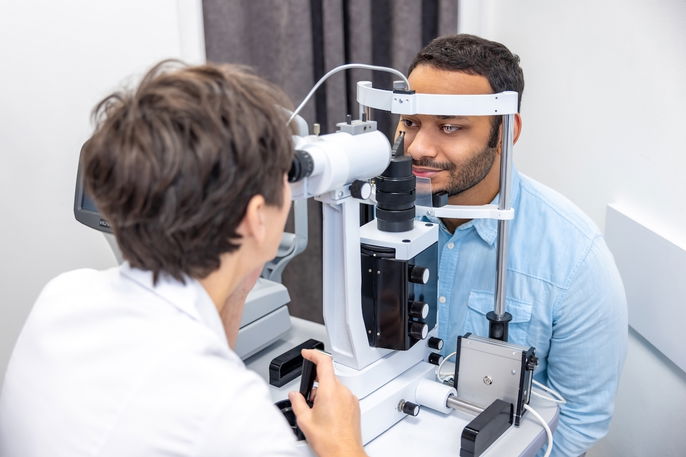
The doctor should also perform a physical exam of the affected eye and a slit-lamp exam to evaluate the characteristics of the lesions and the stage of trachoma.
To confirm the diagnosis, the doctor may collect a sample of eye discharge to be analyzed in a lab and confirm the presence of the bacterium Chlamydia trachomatis.
What are the stages of trachoma?
Trachoma has two stages with different symptoms:
-
First stage of trachoma: characterized by persistent keratoconjunctivitis, which causes inflammation of the conjunctiva. This is known as active trachoma and leads to recurrent infections.
-
Second stage of trachoma: characterized by intense inflammation of the conjunctiva, which causes scarring. This is called cicatricial trachoma and may also involve entropion, which is when part of the eyelid turns inward, and trichiasis, which is when the eyelashes turn inward toward the eye, scratching the cornea and causing lesions that can lead to vision problems or blindness.
The stage of trachoma is identified by the ophthalmologist through diagnostic exams.
Possible causes
Trachoma is caused by the bacterium Chlamydia trachomatis, the same bacterium that causes the sexually transmitted infection (STI) called chlamydia. This bacterium can cause inflammation and scarring of the conjunctiva, as well as corneal damage.
Transmission and spread
According to the WHO, trachoma spreads through direct or indirect transfer of eye and nose discharge from infected people, including by certain species of flies.
The main ways trachoma can spread are:
-
Direct contact with eye or nasopharyngeal secretions from a person with trachoma, such as through hugging or kissing
-
Touching the eyes with contaminated hands after touching contaminated objects
-
Contact with genital secretions that contain the bacteria, followed by accidentally touching the eyes
-
Contact with contaminated objects, such as sheets, pillowcases, pillows, and towels
In endemic areas with poor hygiene and limited basic sanitation, trachoma can also be spread by Musca sorbens flies.
Treatment options
Treatment for trachoma should be guided by an ophthalmologist and aims to eliminate the bacteria and relieve symptoms.
The main treatments for trachoma are:
1. Medications
Medications for trachoma mainly include oral antibiotics, such as azithromycin, doxycycline, or erythromycin, and antibiotic eye ointments, such as erythromycin ophthalmic ointment.
It is also recommended to keep the eye clean at all times using sterile gauze with 0.9% saline solution. The gauze should be thrown away after each cleaning.
2. Surgery
Surgery for trachoma may be recommended by the ophthalmologist to treat eyelashes that turn inward toward the eyes (trichiasis) or an inward-turning eyelid (entropion), helping the eyelid close properly.
Prevention measures
Trachoma is an infection caused by bacteria, so good hygiene is the most effective strategy for prevention.
It is recommended to keep your hands and eyes clean by washing them regularly with soap and clean water. Avoid touching your eyes, even if your hands look clean, as microorganisms are not visible to the naked eye.