


- Spinal muscular atrophy is a genetic condition that causes progressive muscle weakness by affecting the nerves that control movement, with symptoms ranging from mild to severe.
- There are several types of spinal muscular atrophy, from severe forms that appear before or shortly after birth to milder types that begin in childhood or adulthood.
- Early diagnosis, including newborn screening, and modern treatments can significantly improve strength, mobility, and overall quality of life for people with spinal muscular atrophy.
Spinal muscular atrophy is a rare genetic condition that affects the nerves responsible for voluntary muscle movement. It leads to progressive muscle weakness because motor neurons in the spinal cord do not function properly and gradually degenerate.
Spinal muscular atrophy can begin at different stages of life, from before birth to adulthood, and symptoms vary based on the specific type. Common signs include muscle weakness, reduced movement, and, in more severe cases, difficulty breathing or swallowing.
Although there is no cure for spinal muscular atrophy, early diagnosis and modern treatments have significantly improved survival and quality of life. Ongoing medical care is important to manage symptoms, support daily function, and adapt treatment as the condition changes.
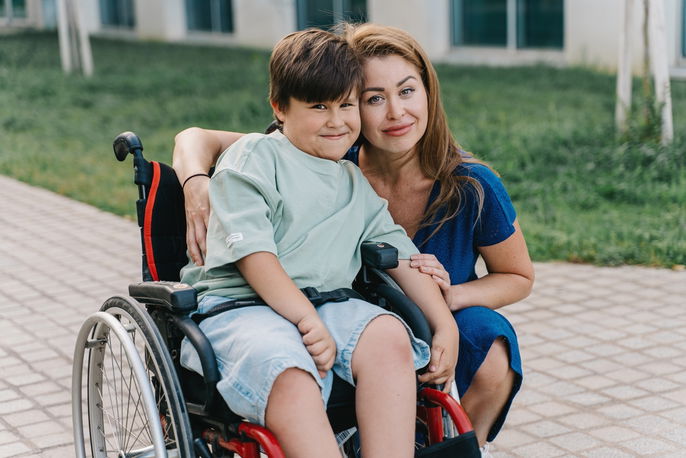
Main symptoms
Spinal muscular atrophy mainly affects muscles involved in movement and basic physical functions. Symptoms range from mild to severe depending on the type of the condition and the age at which it begins.
-
Muscle weakness, especially in the arms and legs
-
Low muscle tone and reduced muscle mass
-
Delayed motor development in infants and children
-
Difficulty sitting, standing, or walking independently
-
Problems with swallowing or breathing in more severe forms
Symptoms tend to worsen over time, but the speed of progression varies depending on the type of spinal muscular atrophy and the treatments used.
Types of spinal muscular atrophy
Spinal muscular atrophy is classified into different types based on when symptoms begin and how severe the muscle weakness is. These types are also influenced by the number of copies of the SMN2 gene, which helps determine disease severity.
1. Type 0 spinal muscular atrophy
Type 0 is the rarest and most severe form of spinal muscular atrophy. Symptoms begin before birth and may include reduced fetal movement, severe muscle weakness at birth, and serious breathing problems immediately after delivery.
2. Type 1 spinal muscular atrophy
Type 1 usually develops within the first six months of life and is the most common form in infants. It causes severe muscle weakness, poor head control, and difficulty breathing and swallowing without treatment.
3. Type 2 spinal muscular atrophy
Type 2 typically begins between 6 and 18 months of age. Children are usually able to sit without support but cannot walk independently, and muscle weakness progresses more slowly than in type 1.
4. Type 3 spinal muscular atrophy
Type 3 starts in childhood or adolescence and is considered a milder form. Individuals can usually walk at some point, although muscle weakness may gradually reduce mobility over time.
5. Type 4 spinal muscular atrophy
Type 4 is the adult-onset form of spinal muscular atrophy and usually appears in early adulthood. It causes mild to moderate muscle weakness and progresses slowly, often allowing people to remain active for many years.
Possible causes
Spinal muscular atrophy is caused by genetic changes that interfere with the production of the survival motor neuron protein, which is essential for healthy motor nerve cells.
1. Genetic mutation
The condition is most often caused by a missing or altered SMN1 gene. This leads to very low levels of the survival motor neuron protein, causing motor neurons to deteriorate and die.
2. Inherited condition
Spinal muscular atrophy follows an autosomal recessive inheritance pattern. This means both parents usually carry one altered copy of the gene but do not have symptoms themselves.
3. Role of the SMN2 gene
The SMN2 gene can partially compensate for the missing SMN1 gene by producing small amounts of the survival motor neuron protein. People with more SMN2 copies often develop milder forms of spinal muscular atrophy.
Diagnosis
Diagnosis is confirmed through genetic testing that detects changes or deletions in the SMN1 gene. This test is highly accurate and is commonly performed when symptoms are present.
In many parts of the United States, spinal muscular atrophy is included in newborn screening programs. Early detection allows treatment to begin before symptoms appear or worsen.
Treatment options
Treatment focuses on slowing disease progression, improving muscle function, and managing complications associated with spinal muscular atrophy.
1. Disease-modifying therapies
Several medications and gene-based treatments increase survival motor neuron protein levels or replace the faulty gene. These therapies can improve strength, movement, and survival, especially when started early.
2. Supportive care
Supportive treatment includes physical therapy to maintain joint mobility, posture, and muscle strength. Some individuals may also require respiratory support or specialized nutritional care, depending on disease severity.
3. Ongoing monitoring
Regular follow-up with a healthcare team is important to track breathing, nutrition, and motor function. Treatment plans may change over time as symptoms evolve or as new therapies become available.
Prevention measures
There is no way to prevent spinal muscular atrophy itself, but genetic carrier screening can identify individuals who carry the altered gene. This information can help guide family planning and allow for early testing during pregnancy or shortly after birth.