


Small water blisters on the skin can be caused by many things, including friction from clothing or shoes, burns, herpes, shingles, or dyshidrosis.
Small water blisters on the skin develop when fluid becomes trapped beneath the epidermis due to an injury. Associated symptoms may include pain, burning, heat, redness, or itching.
Treatment of these blisters is managed by a dermatologist and varies according to the cause. In order to prevent a secondary skin infection, it is important to avoid popping the blisters.
Main causes
The main causes of small water blisters on the skin are:
1. Friction

Friction from tight clothing, shoes, or socks can cause irritation and lead to the formation of water blisters on the skin.
Blisters form to protect the skin from trauma but can be very painful and uncomfortable.
Treatment: Make sure to wear comfortable shoes in the correct size, avoid wearing tight clothing, and apply a Band-Aid over the blister to prevent friction.
2. Burns

Burns, especially second degree burns, can cause fluid-filled blisters to form on the skin.
Other symptoms of burns include intense pain, redness, and painful sores when the blisters burst on their own.
Treatment: A dermatologist may recommend applying a wound-healing ointment to the burn and covering it with a piece of gauze and a bandage.
Extensive burns require treatment in the hospital with medications and fluids given through an IV as well as the use of topical ointments until the wounds have completely healed.
3. Contact dermatitis

Contact dermatitis is a skin reaction that occurs due to contact with irritating substances like soaps, talcum powder (baby powder), detergents, synthetic fabrics, costume jewelry, or cosmetics.
This type of dermatitis causes small water blisters to form on the skin that can be very itchy. Other symptoms include redness, swelling, and peeling of the skin.
Treatment: In cases of contact dermatitis, wash the affected area with cold water and a neutral soap. Avoid substances and materials that provoke an allergic reaction.
In addition, it is important to consult a dermatologist to help identify the cause of the dermatitis. Treatment may include the use of topical antihistamines or corticosteroids.
4. Dyshidrosis

Dyshidrosis is a skin condition that causes small, itchy water blisters on the skin. It primarily affects the hands, sides of the fingers, and soles of the feet.
The exact cause of dyshidrosis is not known, however it is more common in the summer and may also be related to skin allergies, excessive moisture, or increased physical or emotional stress.
Treatment: Dyshidrosis is treated by a dermatologist, who may recommend the use of cold compresses to reduce itching and discomfort, moisturizers, and avoidance of allergens.
In some cases, your provider may recommend the use of topical antihistamines or corticosteroids.
5. Chickenpox

Chickenpox is a highly contagious illness caused by the varicella zoster virus.
This infection causes small fluid-filled blisters and red dots on the skin, intense itching, and fever.
Chickenpox is more common in childhood, however it can also affect adults and people of all ages.
Treatment: Treatment of chickenpox involves rest and the use of antipyretics (fever-reducing medications) and antihistamines recommended by a pediatrician, infectious disease specialist, or dermatologist to help relieve symptoms.
It is essential to avoid contact with other people as chickenpox can be transmitted through direct contact with the liquid in the blisters and through saliva and droplets released into the air from coughing or sneezing.
Chickenpox can be prevented with two doses of the varicella vaccine, which is recommended for children starting at 12 months of age and for older children and adults who have not been previously vaccinated and are not immune to varicella.
6. Shingles

Shingles, or herpes zoster, causes a rash of small blisters on the skin and most commonly affects the chest or back.
Shingles is an infection caused by the reactivation of the varicella zoster virus, which is the same virus that causes chickenpox. It is more common in people over 50 years of age.
In addition to a blistering rash, shingles also causes symptoms like intense pain and a burning sensation in the area.
Treatment: Shingles is treated with antiviral medications like acyclovir, valacyclovir, or famciclovir that inhibit viral replication and are usually taken for about 10 days. Treatment is typically managed by a dermatologist or primary care provider.
Shingles can be prevented with the shingles vaccine, which is recommended for adults aged 50 and over.
7. Atopic dermatitis

Atopic dermatitis is chronic inflammation of the skin causing symptoms like small water blisters, itching, and redness of the skin.
This condition is more common during childhood and tends to improve by adolescence, however it can reemerge in adulthood.
Treatment: Atopic dermatitis is treated by a dermatologist with topical corticosteroids or antihistamines in addition to the use of moisturizers and avoiding hot showers.
8. Herpes

Oral herpes and genital herpes are caused by the Herpes simplex type 1 (HSV-1) or type 2 (HSV-2) virus, and present as small water blisters on the skin and mucosa.
It is common to experience symptoms like a tingling or burning sensation in the affected area prior to an outbreak.
Herpes can also cause intense pain, redness, general malaise, and painful sores or ulcers when the blisters burst.
Treatment: Herpes can be treated by a primary care provider, dermatologist, or gynecologist who can prescribe the use of oral or topical antiviral medications like acyclovir, penciclovir, or valacyclovir. These medications inhibit viral replication and allow the skin to heal while preventing the emergence of new blisters and sores.
9. Dermatitis herpetiformis

Dermatitis herpetiformis is an autoimmune condition causing intense itching accompanied by small water blisters on the skin similar to herpes lesions.
Dermatitis herpetiformis can affect the scalp, buttocks, elbows, knees, and back and is more common in people with gluten intolerance or celiac disease.
Treatment: Dermatitis herpetiformis is treated by a dermatologist or gastroenterologist with an oral antibiotic called dapsone to help alleviate symptoms.
A gastroenterologist can also treat conditions like gluten intolerance or celiac disease to help prevent future episodes of dermatitis herpetiformis.
Read about gluten intolerance symptoms.
10. Hand, foot, and mouth disease

Hand, foot, and mouth disease is a highly contagious illness caused by the Coxsackie virus that presents as small water blisters on the skin and mouth sores that typically begin as red spots.
The blisters are typically painful and can appear on the hands, feet, and occasionally the genital area. Fever may also occur.
Hand, foot, and mouth disease is more common in children under 5 and is spread from person to person through contaminated objects or food.
Treatment: Hand, foot, and mouth is treated by a pediatrician, dermatologist, or primary care provider with the use of fever-reducing medications (antipyretics), anti-inflammatories, medications to relieve itching, and ointments for mouth sores. The goal of treatment is relief of symptoms.
11. Epidermolysis bullosa

Epidermolysis bullosa is a rare genetic condition that causes the formation of painful fluid-filled blisters on the skin.
These blisters generally emerge from any amount of friction or small trauma to the skin and can affect the feet, hands, or any other part of the body.
Treatment: It is recommended to apply Band-Aids over the blisters until they are fully healed, in addition to wearing soft shoes to prevent friction or trauma to the skin.
Regular follow up with a dermatologist is also recommended. Blisters that become infected may require a prescription for topical antibiotics.
12. Mpox

Mpox (formerly known as monkeypox) is an infection caused by a virus belonging to the genus Orthopoxvirus.
This infection can cause symptoms like fever, chills, and small water blisters or sores on the tongue or mouth that can spread to any part of the body, including the genitals.
Mpox can be transmitted from person to person through contact with respiratory secretions, direct contact with fluid from blisters or sores, contact with contaminated objects, or contact with oral or genital lesions.
Treatment: Mpox is treated with antivirals like tecovirimat prescribed by a dermatologist and medications like acetaminophen for symptom relief.
A provider may also recommend isolating at home to prevent spreading mpox to others.
13. Pemphigus
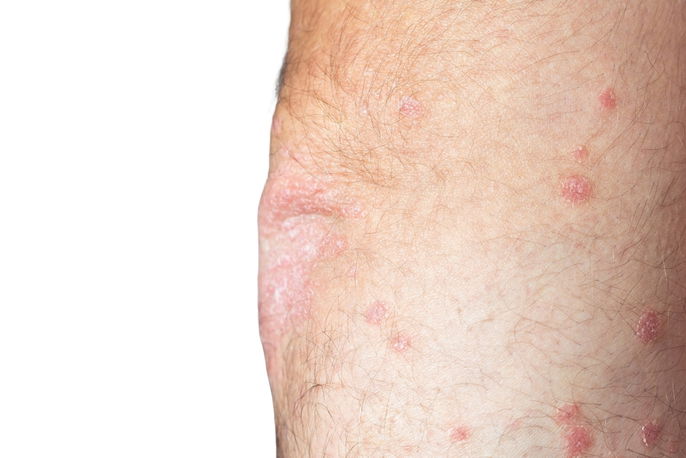
Pemphigus is an autoimmune disease characterized by the formation of water blisters on the skin and mucous membranes, including the inside of the mouth, nose, throat, or genitals.
Other symptoms include painful sores, localized heat, and a burning sensation.
Pemphigus is more common in adults and the elderly, however it can affect people of all ages.
Treatment: Treatment of pemphigus is managed by a dermatologist with the use of corticosteroids, immunosuppressants, or monoclonal antibodies to control symptoms and reduce the formation of blisters and sores.
14. Allergic reactions

Allergic reactions are an exaggerated immune response to substances like mites, pet dander, milk products, shrimp, peanuts, or certain medications.
Allergies can cause red spots, itching, and the formation of small water blisters on the skin.
Other more serious symptoms include swelling of the mouth, tongue, and/or throat; rapid heart beat; dizziness; fainting; difficulty breathing; and cold sweats.
Treatment: Mild to moderate allergic reactions can be treated with corticosteroids or antihistamines prescribed by a healthcare provider. Avoidance of allergens is also essential for management of the condition.
Severe allergic reactions require immediate treatment in the emergency department to prevent potentially life-threatening complications.
Why you should avoid popping blisters
It is important to avoid popping blisters because the liquid inside helps protect the skin and prevent infections.
In the case of infectious conditions like oral or genital herpes, chickenpox, and hand, foot, and mouth disease, popping blisters can allow the infection to spread to other parts of the body and be transmitted to others.
What is the clear fluid inside the blisters?
The clear fluid that drains out of the blisters is called serum, a mix of water and proteins that are normally present in the blood.
When the skin becomes injured or irritated, serum passes through the capillaries to the skin and forms a blister to protect the wound.
Blisters caused by viral infections may contain viral particles in the fluid as well.