


- Slippery elm contains soothing mucilage that can help ease digestive discomfort, support gut balance, and calm throat irritation.
- Research shows it may improve symptoms of irritable bowel syndrome, reduce inflammation, and promote beneficial gut bacteria.
- Available as tea, capsules, lozenges, and extracts, slippery elm is generally safe but should be used cautiously during pregnancy and away from medications.
Slippery elm is a tree native to eastern and central North America, known scientifically as Ulmus rubra. Its inner bark has been used for generations to soothe irritated tissues in both the digestive tract and throat.
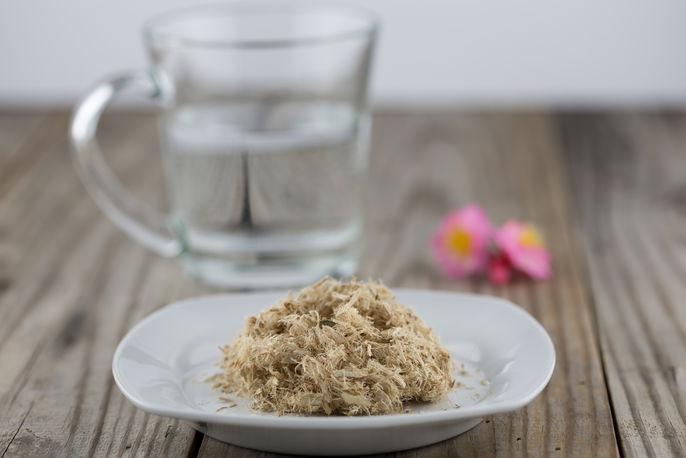
The bark is rich in mucilage, a gel-like substance that becomes thick when mixed with water. This mucilage coats and protects mucous membranes, which helps explain many of its calming effects.
Slippery elm has been studied for digestive support, sore throat relief, and its ability to help maintain gut health. It also contains antioxidant and anti-inflammatory compounds that may reduce irritation in the gastrointestinal tract.
Health benefits
Slippery elm has several properties that have been studied in both traditional use and modern research.
1. Helps relieve digestive discomfort
The mucilage in slippery elm forms a protective layer along the esophagus, stomach, and intestines, helping reduce irritation. Research using formulas that contained slippery elm showed improvements in abdominal pain, bloating, constipation, and diarrhea.
2. Supports irritable bowel syndrome symptoms
Herbal mixtures containing slippery elm have been shown to improve bowel movement frequency, reduce abdominal discomfort, and support healthier stool consistency. These effects are linked to its ability to soothe irritated intestinal tissue.
3. Provides antioxidant and anti-inflammatory effects
Laboratory studies found that slippery elm may help lower the production of harmful oxygen free radicals. Its antioxidant activity may help protect areas of the intestine that are inflamed or irritated.
4. Supports healthy gut bacteria
In vitro studies suggest that slippery elm may promote the growth of beneficial gut bacteria, including several species within the Ruminococcus group. These findings indicate potential prebiotic effects that may support overall gut balance.
5. Helps soothe sore throat and upper airway irritation
Slippery elm forms a coating on irritated tissues in the mouth and throat, which can provide a soothing effect. It is approved by the U.S. FDA as a Generally Recognized as Safe demulcent and is commonly used in throat lozenges.
How to use it
Slippery elm can be taken in different forms, and dosage can vary depending on the preparation.
1. Powdered bark (tea)
Slippery elm powder can be mixed with hot water to make a tea. A common method uses 1 to 2 tablespoons of powdered bark with one cup of boiling water, steeped for three to five minutes and taken up to three times daily.
2. Capsules or tablets
Capsules usually contain 400 to 500 mg of slippery elm and may be taken three to four times per day. They should be taken with a full glass of water.
3. Lozenges
Many throat lozenges contain around 150 mg of slippery elm. They can be used as needed, up to eight to ten lozenges per day.
4. Liquid extract
Liquid extracts are typically taken in amounts of about 5 mL three times daily. These can be mixed with water if preferred.
5. Topical paste or poultice
Coarse powdered bark can be mixed with boiling water to form a paste that is cooled before application. It has traditionally been applied to the skin for mild irritations but should not be placed on open wounds.
Timing with meals and medications
For upper digestive symptoms, slippery elm is often taken 30 to 60 minutes before meals. For lower digestive symptoms, it may be taken with meals. Because the mucilage can reduce the absorption of medications, slippery elm should be taken at least two hours before or after oral drugs or supplements.
Possible side effects
Slippery elm is considered safe and is classified by the U.S. FDA as Generally Recognized as Safe. Side effects are uncommon but may include mild allergic reactions or skin irritation when used on the skin. There are no reports of severe toxicity in the sources provided.
Contraindications
Slippery elm should be used with caution during pregnancy and breastfeeding. Traditional cautions come from historical intravaginal use of whole bark, which does not apply to modern oral use of the inner bark, but safety data is limited, so most medical sources recommend avoiding it.
People who are allergic to elm pollen may experience reactions when using slippery elm.
Because slippery elm may slow the absorption of oral medications, it should be taken at least two hours before or after any drugs or supplements.