


- Sleep apnea can cause loud snoring, repeated breathing pauses at night, and daytime fatigue, and it may also affect focus, memory, and mood.
- Treatment often starts with weight loss and quitting smoking, and may include CPAP or oral appliances to keep the airway open during sleep.
- Seek medical care promptly if sleep apnea is suspected with chest pain, shortness of breath, or severe daytime sleepiness, especially if there are heart or lung problems.
Sleep apnea is a sleep disorder that causes brief, repeated pauses in breathing while you sleep. These pauses usually happen because the airway becomes blocked when the muscles in the throat relax.
People with sleep apnea often snore and may wake up feeling like they didn’t rest. Some people also notice trouble focusing, morning headaches, and/or erectile dysfunction.
Treatment usually starts with lifestyle changes, like losing weight or quitting smoking. Some people also need a device such as CPAP, which gently pushes air into the airway to keep it open and make breathing easier.
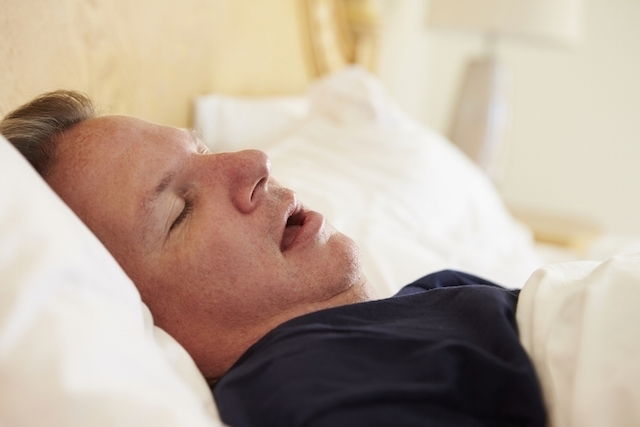
Common symptoms
The main symptoms of sleep apnea are:
-
Waking up several times during the night;
-
Breathing pauses or choking/gasping during sleep;
-
Daytime sleepiness and fatigue;
-
Waking up frequently at night to urinate;
-
Headache, especially in the morning;
-
Reduced performance at school or work;
-
Decreased concentration and memory;
-
Irritability;
According to the American Heart Association, sleep apnea is linked to a higher risk of cardiovascular problems, including high blood pressure and heart disease, which can increase the likelihood of heart attack. Other symptoms may also occur, such as chest pain, fatigue, and shortness of breath.
If you suspect sleep apnea, it’s important to see an ear, nose, and throat (ENT) specialist or a primary care provider to confirm the diagnosis and start the most appropriate treatment. Treatment may include sleep apnea devices and, in some cases, surgery.
Confirming a diagnosis
Sleep apnea is diagnosed by an ENT specialist or a primary care provider based on your symptoms, a physical exam, and test results. One common test is polysomnography (a sleep study), which can identify breathing changes during sleep.
Main causes
Sleep apnea happens when the airway narrows during sleep, especially as the body’s muscles relax. Breathing also naturally slows during sleep, which can contribute to breathing interruptions in people who are prone to airway narrowing.
For this reason, sleep apnea is more common in men over age 50 and in people with enlarged adenoids, excess abdominal fat, obesity, heavy alcohol use, smoking, and use of sedative medications, for example.
Different types
There are 3 main types of sleep apnea:
-
Obstructive sleep apnea: usually happens due to airway blockage caused by relaxation of breathing muscles, narrowing of the airway, and anatomical differences involving the neck, nose, or jaw;
-
Central sleep apnea: generally happens after a condition that affects the brain’s ability to regulate breathing during sleep, such as a brain tumor, stroke, or degenerative brain disease;
-
Mixed sleep apnea: involves features of both obstructive and central sleep apnea and is the rarest type.
Sometimes sleep apnea can be temporary, such as when it is related to inflammation of the tonsils, tumors, or polyps in the area, which can interfere with airflow during breathing.
Treatment options
Treatment typically begins with modest lifestyle adjustments tailored to the probable underlying cause. For instance, if excess weight contributes to sleep apnea, consulting a registered dietitian for a personalized weight loss plan can promote better breathing.
When sleep apnea is caused or worsened by smoking, quitting smoking or cutting back on cigarettes can help reduce airway inflammation and make it easier for air to move through the airway.
In more severe cases, other treatments may be recommended:
1. CPAP
According to the National Heart, Lung, and Blood Institute (NHLBI), CPAP delivers continuous positive airway pressure through a mask to help keep the airway open during sleep. This helps you breathe more normally without repeated sleep interruptions and can support more restorative sleep.
However, CPAP can feel uncomfortable for some people, and it’s common for them to consider other treatment options.
2. Oral appliances
Oral appliances are devices worn in the mouth during sleep to help improve airflow. They may be recommended for people who cannot adjust to CPAP or who cannot use it.
3. Surgery
Surgery for sleep apnea is usually considered when other treatments don’t work, and it’s generally recommended to try those options for at least 3 months first.
In some cases, facial structures may need to be adjusted to correct the problem, and surgery may be considered as a first option.
Common types of surgery include:
-
Tissue removal: used when there is extra tissue in the back of the throat. This may include removing the tonsils and adenoids to help prevent blockage and reduce vibrations that cause snoring;
-
Jaw repositioning: recommended when the jaw is very recessed and reduces the space between the tongue and the back of the throat. Repositioning can improve airflow;
-
Implant placement: an alternative to tissue removal that helps prevent soft tissues of the mouth and throat from blocking airflow;
-
Creation of a new airway: used only when there is a risk to life and other treatments have failed. This procedure creates a passage in the throat so air can reach the lungs.
Surgery can be tailored to each person’s specific anatomy and needs, which is why it’s important to review all options with a healthcare provider.
Can sleep apnea be fatal?
If it isn’t treated, sleep apnea can be fatal, especially in severe cases or in people who already have lung and/or heart problems. It can increase the risk of heart attack, stroke, high blood pressure, and car accidents, for example.
Is sleep apnea curable?
Sleep apnea can be cured in some cases, especially when conditions that contribute to airway blockage are treated. Examples include obesity, use of sedative medications, allergies, heavy alcohol use, and enlarged adenoids.
Signs of improvement and worsening
Signs that sleep apnea is improving can include less snoring at night, less daytime fatigue, fewer headaches, and fewer sleep interruptions. These changes may take a few weeks to appear.
Signs that sleep apnea is getting worse can happen when treatment isn’t followed correctly. Examples include more daytime fatigue, waking up repeatedly at night feeling short of breath, and very loud snoring.