


- A skin graft moves healthy skin to an area where skin has been damaged or lost, such as after burns, wounds, skin cancer, or surgery.
- Skin grafts can be partial-thickness, full-thickness, composite, autograft, allograft, or xenograft, depending on the area being treated.
- Recovery usually starts in the hospital, and aftercare includes protecting the dressing, limiting movement, and watching for signs of infection.
A skin graft is a dermatologic procedure in which healthy skin is taken from one area of the body and moved to another area where the skin is damaged. It may be recommended for conditions such as burns or skin cancer.
This procedure, also called skin transplantation or skin grafting, may involve transferring full-thickness or partial-thickness skin. The skin may come from the person’s own body or from a donor.
The type of skin graft depends on the area being treated and the type of graft planned. Recovery usually starts in the hospital. After discharge, the person should follow the doctor’s instructions to help prevent complications.
What it is used for
A skin graft is used to replace skin in an area of the body when there has been extensive skin loss. It helps close the skin, protect wounds, and support healing.
In general, a skin graft is recommended by a dermatologist or plastic surgeon when other treatments have not worked or are not appropriate for the health condition being treated.
According to the American Burn Association, skin grafts may be used when burns are too deep to heal on their own.
Main indications
A skin graft is indicated in the following situations:
-
Deep or extensive burns
-
Skin infections
-
Chronic wounds, such as pressure ulcers or diabetic foot ulcers
-
Skin abrasions or trauma
-
Skin necrosis due to trauma or surgery
-
Congenital deformities
In addition, a skin graft may be indicated in cases of skin cancer or mastectomy, when large amounts of skin are removed.
How to prepare
To prepare for a skin graft, the doctor will examine both the area where the skin will be taken from and the area being treated. The doctor will also review the person’s overall health, medical history, and history of allergies.
The doctor may recommend stopping anticoagulants a few days before surgery to help prevent excessive bleeding.
If general anesthesia will be used, the doctor may recommend fasting completely for about 8 hours before surgery.
How it is done
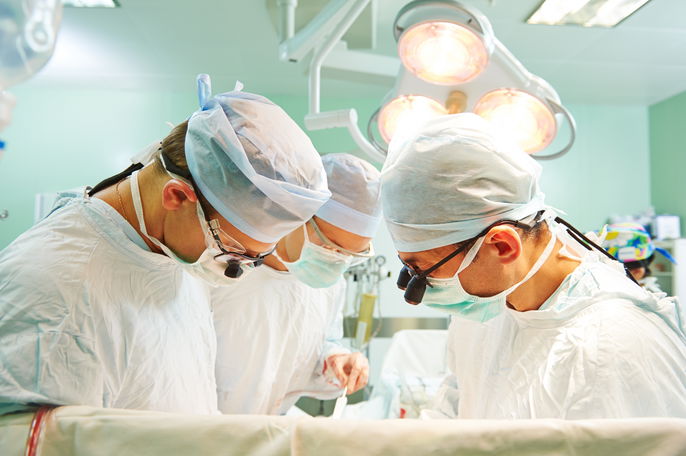
A skin graft is performed by a surgeon, such as a plastic surgeon, dermatologic surgeon, or burn surgeon, and the procedure varies depending on the technique used.
In general, a skin graft is done in the following steps:
- Local or general anesthesia is applied
- A piece of healthy skin is removed or shaved from the person or a compatible donor
- The healthy skin is placed over the injured or missing skin
- The skin is secured with stitches or staples
- A sponge dressing is applied to the area
- An outer dressing is placed to protect the skin
Healthy skin is usually taken from areas such as the abdomen, back, chest, outer or inner thigh, hip, groin, collarbone area, or forearm, for example.
When larger pieces of healthy skin need to be removed, the doctor may place a tissue expander under the skin a few weeks before the graft. This expander is a balloon that stretches the skin so it can expand, providing a larger area of skin for transplantation.
Main types
The main types of skin grafts are:
1. Partial-thickness
A partial-thickness skin graft is performed by the doctor using a device called a dermatome to remove a very thin layer of the epidermis, which is the outermost layer of the skin, along with part of the dermis.
The skin is usually taken from the thigh area and transplanted to the area being treated.
This type of graft, also called a split-thickness skin graft, is more fragile. It is generally used for large skin wounds, mucosal defects, or areas over muscle, for example.
2. Full-thickness
A full-thickness skin graft is performed by the doctor using a scalpel to remove the entire dermis down to the fatty tissue. This includes hair follicles, sebaceous glands, sweat glands, and nerves, which helps preserve the characteristics of normal skin.
The skin is usually taken from areas such as the inner arm, the front or back of the ear, or the neck. The amount removed is the exact size needed to close the skin wound.
Because this type of graft contains more tissue that needs to develop a new blood supply, it requires better conditions to survive. For this reason, it is more commonly recommended for areas such as the face or hands, for example.
In addition, it may also be indicated for children because it can develop normally as the child grows.
3. Composite
In a composite skin graft, all layers of the skin are removed, including the fatty tissue and, in some cases, cartilage.
This type of graft is used when more support is needed, such as for reconstruction of the fingertip, ear, or nose.
4. Autograft
An autograft skin graft, or autologous skin graft, is done by taking skin from the person’s own body and transplanting it to the affected area.
5. Allograft
In an allograft skin graft, or allogeneic skin graft, healthy skin is taken from a donor and transplanted to the area being treated in another person.
This skin may come from a compatible family member or from the body of an organ donor, for example.
Allografts are generally used in people who have lost a large area of skin, such as from burns.
6. Xenograft
A xenograft skin graft is done using skin from an animal, such as tilapia or pig skin, to cover the affected area of a person’s skin.
In general, this type of skin graft is indicated for acute trauma until the person is healthy enough to undergo an autograft skin graft.
Recovery time
Recovery after a skin graft usually begins in the hospital. The person may need to stay there for about 2 weeks to receive proper care and allow the doctor to check whether the body is accepting the graft.
During this time, the doctor should also monitor for signs of infection and prescribe pain medication if needed.
Aftercare instructions
Discharge instructions typically include:
-
Take medications at the correct times
-
Keep the dressing in place to help prevent infection and change it as advised by the doctor
-
Avoid moving the grafted area for about 2 to 3 days
-
Do not rub or touch the graft
Watch for signs of infection, such as redness, pain at the graft site, pus, or fever. Go to the hospital immediately if these symptoms occur or if there is heavy bleeding from the graft site.
Possible complications
In some cases, skin grafting can lead to complications such as graft contraction, color changes, loss of sensation in the area, chronic pain, hematoma, or infection.
