


Skin allergy is an inflammatory reaction that happens when the immune system overreacts to certain substances. It can cause symptoms such as redness, itching, and white or reddish bumps on the skin anywhere on the body.
There are different types of skin allergy, such as hives, contact dermatitis, and atopic dermatitis. These can often be managed by avoiding the substances that trigger them or by using medications prescribed by a dermatologist or allergist.
In severe cases, a skin allergy can cause symptoms of anaphylaxis, such as swelling in the mouth, tongue, or throat, or difficulty breathing. Immediate medical attention is needed, as this reaction can be life-threatening.
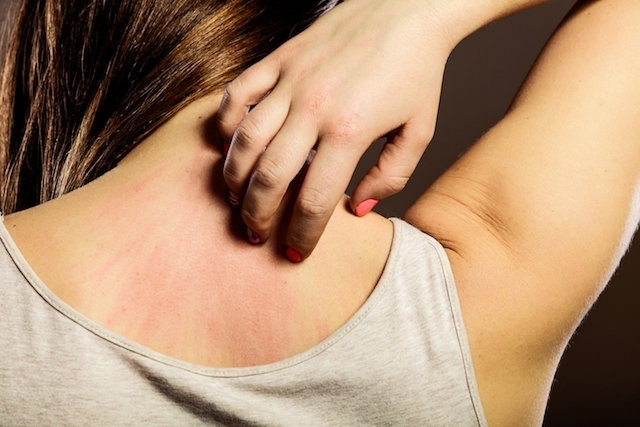
Symptoms of skin allergy
The main symptoms of skin allergy are:
-
Intense itching
-
Redness, irritation, or peeling of the skin
-
Reddish patches or white bumps
-
Dry skin
-
Crusts or scabs
-
Stinging or burning sensation
-
Changes in skin sensitivity
These symptoms may appear within a few minutes or up to several hours after contact with an allergen. As soon as symptoms appear, it is important to wash the skin with plenty of water and a neutral-pH soap.
In more severe and less common cases, skin allergy can also cause an anaphylactic reaction, or anaphylaxis, with symptoms such as swelling of the eyes and mouth, difficulty breathing, and throat discomfort.
In these cases, it is very important to seek medical care immediately or go to the nearest emergency room, as anaphylaxis can be life-threatening.
Diagnosis
A skin allergy is diagnosed by a dermatologist or allergist through an assessment of symptoms, health history, and a physical examination of the skin.
In addition, the doctor may order blood tests or an allergy test. An allergy test is performed in the doctor’s office by applying different substances to the skin to check whether symptoms develop.
Types of skin allergies
The main types of skin allergy are:
1. Hives
Hives are a type of skin allergy that can be caused by insect bites, medications, food allergies, such as peanuts, eggs, or seafood, or allergies to clothing fabric, pollen, latex, or sweat, for example.
Temperature changes, such as extreme heat or cold, can also cause hives.
Usually, hives symptoms last up to 24 hours and go away without leaving marks or scars.
However, the patches may appear again on other parts of the body and last for about 6 weeks. This type of hives is called chronic hives.
2. Contact dermatitis
Contact dermatitis is a type of skin allergy that develops after contact with an irritating substance or object, such as cosmetics, perfumes, soap, cleaning products, costume jewelry, plants, or dust, for example.
Contact dermatitis can also be caused by feces or urine and is common in babies.
3. Atopic dermatitis
Atopic dermatitis, also known as atopic eczema, is a chronic allergic skin reaction that is more common in babies and children up to 5 years old. However, it can also occur in adults.
Atopic dermatitis is usually caused by several factors, such as cold or heat, smoke, pollution, detergents, highly concentrated laundry soap, or contact with synthetic fabrics, for example.
This type of skin allergy is more common in the folds of the arms and knees. It can also appear on the cheeks and near the ears in babies, or on the neck, hands, and feet in adults.
4. Skin rash
A skin rash, also known as an exanthem, can appear after contact with irritating substances, such as detergents, rubber, or latex. It may also be caused by viral infections, such as dengue or Zika.
Possible causes
Skin allergy can have several causes, including:
-
Insect bites
-
Extreme heat or cold
-
Sweat
-
Costume jewelry
-
Medications, such as antibiotics, phenytoin, carbamazepine, or lamotrigine
-
Foods, such as peanuts, eggs, or seafood
-
Plants or animal hair
-
Dust or pollution
-
Clothing, belts, or some types of fabric, such as wool or denim
-
Cleaning products, such as detergent or laundry soap
-
Materials, such as latex or rubber
-
Irritating substances, such as beauty products and cosmetics, makeup, perfume, shampoo, deodorant, body wash, soap, wax, or hair removal cream
Skin allergy can cause many different symptoms. Identifying the cause is very important so that the trigger can be avoided.
Treatment
Treatment for skin allergy should be guided by a dermatologist or allergist. It varies depending on the cause, the type of skin allergy, and the intensity of symptoms.
The main treatments for skin allergy that may be recommended by the doctor are:
1. Ointments
Ointments for skin allergies that may be prescribed by the doctor include:
-
Corticosteroids, such as hydrocortisone or mometasone
-
Antihistamines, such as diphenhydramine
-
Immunosuppressants, such as pimecrolimus or tacrolimus
These ointments help reduce skin inflammation and relieve symptoms such as itching, redness, or swelling.
2. Tablets
Tablets for skin allergy are usually recommended by the doctor when ointments have not been effective in improving symptoms.
The most commonly recommended tablets are usually allergy medications, such as loratadine, cetirizine, or hydroxyzine, or corticosteroids, such as prednisone or prednisolone.
In addition, depending on the type of skin allergy, immunosuppressants such as cyclosporine, azathioprine, mycophenolate, or methotrexate may be recommended, for example.
These medications may also be recommended as syrups or drops and should only be used as prescribed by a doctor.
3. Moisturizers
Moisturizers may be recommended by the doctor to hydrate the skin, help maintain moisture, and relieve dryness, rough skin, itching, or irritation.
The most recommended moisturizers for skin allergy are fragrance-free, neutral products with a higher oil content or other fragrance-free pediatric moisturizing lotions. These should be applied right after bathing, while the skin is still damp.
Home remedies
Some home remedy options for skin allergy include creams or lotions with a soothing effect, such as chamomile or lavender. These may help relieve discomfort, calm skin irritation, and maintain skin hydration.
Thermal water can also be a helpful option in these situations, as it hydrates the skin and helps reduce itching and irritation.
The use of these or any other home remedies should not replace the medications recommended by the doctor. They should only be used as a way to help relieve symptoms more quickly.
Is skin allergy more common during pregnancy?
Skin allergy during pregnancy can happen due to hormonal and immune system changes that naturally occur during this period. These changes may make a pregnant person more sensitive to developing an unwanted skin allergy.
In these cases, it is recommended to soothe the skin with creams or lotions that help relieve discomfort and irritation. A dermatologist or allergist should also be consulted as soon as possible.
In general, skin allergy during pregnancy does not harm the baby. However, if allergy symptoms are intense, it is recommended to go to the emergency room or hospital.
