


Sesamoiditis is a condition that affects the small sesamoid bones located under the big toe, causing pain and inflammation in the ball of the foot. It is usually linked to repeated pressure or overuse rather than an injury or infection.
This condition often develops gradually, especially in people who perform activities that place stress on the front of the foot, such as running or dancing. Common symptoms include pain under the big toe that worsens with movement and improves with rest.
Treatment for sesamoiditis focuses on reducing pressure on the affected area and relieving inflammation. Most cases improve with conservative care, although persistent symptoms may require more advanced treatment or medical evaluation.
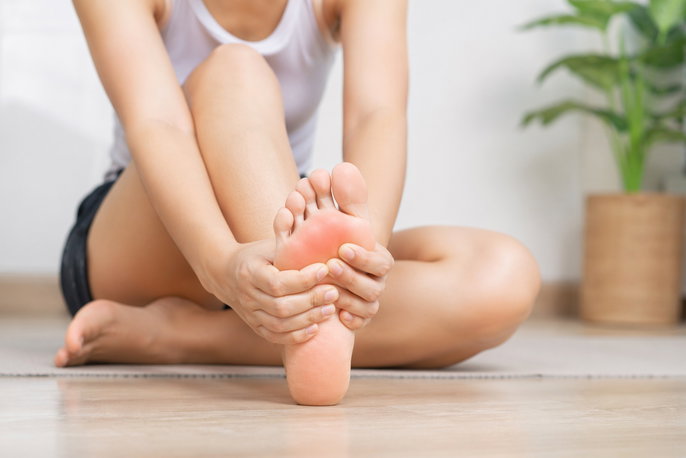
Main symptoms
Sesamoiditis typically causes discomfort in the ball of the foot, especially under the big toe.
Symptoms may vary depending on severity and activity level, and may include:
- Pain under the big toe, especially during walking or running
- Swelling or inflammation in the ball of the foot
- Difficulty bending or moving the big toe
- Pain that worsens with pressure or certain footwear
- Gradual onset of discomfort rather than sudden injury
Symptoms may improve with rest but tend to return when pressure on the area continues.
Possible causes
Sesamoiditis develops due to mechanical stress and repeated strain on the sesamoid bones located under the big toe.
1. Repetitive stress and overuse
Activities that involve repeated pressure on the forefoot, such as running, jumping, or dancing, are the most common causes. These movements place continuous load on the sesamoid bones, which can lead to irritation and inflammation over time. This is especially common in active individuals or athletes who frequently perform high-impact or push-off movements.
2. Foot structure and biomechanics
Certain foot shapes, such as high arches or altered walking patterns, can increase pressure on the sesamoid bones. Abnormal biomechanics may shift weight distribution toward the front of the foot, making the sesamoids more vulnerable to stress. Over time, this uneven loading can contribute to pain and inflammation in the area.
3. Footwear choices
Wearing high heels or shoes with little cushioning can increase stress on the ball of the foot. These types of footwear place more body weight directly over the sesamoid bones, especially during walking or standing. Repeated use can worsen pressure and contribute to the development of sesamoiditis.
4. Sudden increase in activity
A rapid increase in physical activity or intensity can overload the sesamoid bones. When the body does not have enough time to adapt, the added strain can lead to inflammation and pain. This is often seen when starting a new exercise routine or significantly increasing training volume.
Diagnosis
Diagnosis of sesamoiditis is usually based on a clinical evaluation and patient history. Doctors assess symptoms, activity patterns, and areas of pain, especially under the big toe.
A physical exam may include pressing on the affected area and evaluating movement of the big toe to identify tenderness and functional limitations.
Imaging tests such as X-rays, MRI, or bone scans may be used to confirm the diagnosis or rule out other conditions like fractures or bone damage.
Treatment options
Treatment for sesamoiditis usually begins with conservative approaches aimed at reducing pressure and inflammation.
1. Conservative care
Conservative care for sesamoiditis focuses on reducing pressure on the affected area and allowing it to heal. This usually includes resting and temporarily reducing physical activity, along with applying ice to help relieve pain and inflammation.
Wearing cushioned, supportive footwear and using orthotic inserts can help redistribute pressure away from the sesamoid bones, while taping or padding may provide additional protection. Together, these measures are often effective in gradually improving symptoms over time.
2. Medications and injections
Medications may be used to help relieve pain and reduce inflammation associated with sesamoiditis. Nonsteroidal anti-inflammatory drugs can be recommended to manage discomfort, especially during periods of increased symptoms or activity. These medications do not treat the underlying cause but can make daily activities more manageable while the area heals.
In cases where pain persists despite conservative care, corticosteroid injections may be considered. These injections are typically used to reduce inflammation directly in the affected area and may provide more targeted relief. However, they are generally used with caution and as part of a broader treatment plan that includes offloading and activity modification.
3. Physical therapy and advanced therapies
Physical therapy may help improve foot mechanics, strengthen surrounding muscles, and reduce stress on the affected area. In more persistent cases, treatments such as shockwave therapy or biologic therapies may be considered to help manage chronic pain and support recovery.
4. Surgery
Surgery is rarely needed for sesamoiditis and is typically only considered when symptoms do not improve with other treatments. It may be recommended in cases where there is ongoing pain, significant structural damage, or failure of conservative management.
Prevention measures
Preventing sesamoiditis focuses on reducing stress on the front of the foot and maintaining proper foot mechanics.
- Wearing well-cushioned, supportive shoes
- Avoiding prolonged use of high heels
- Gradually increasing physical activity levels
- Using orthotics if recommended
- Taking breaks from repetitive high-impact activities
These strategies can help lower the risk of developing or worsening sesamoiditis.