


Scalp psoriasis is a skin condition that causes red, scaly patches on the head. These patches may itch, cause pain, and sometimes lead to hair loss in the affected areas.
This condition develops due to changes in the immune system, when immune cells mistakenly attack the body, leading to inflammation and triggering symptoms.
Also recommended: Psoriasis: Symptoms, 10 Types, Causes & Treatment Options tuasaude.com/en/psoriasisWhile scalp psoriasis cannot be cured, it can be managed. Symptoms are usually controlled with medicated shampoos, creams, or prescription medications prescribed by a dermatologist.
Main symptoms
The most common symptoms of scalp psoriasis include:
-
Red, scaly patches on the scalp
-
Itching
-
Hair loss
-
Pain
-
Burning sensation
In some cases, bleeding may also occur, often caused by scratching. Symptoms may spread from the scalp to the ears, nape of the neck, forehead, or upper neck.
How a diagnosis is made
Scalp psoriasis is diagnosed by a dermatologist based on symptoms and examination of the scalp.
In some situations, the doctor may order tests to rule out other scalp conditions that cause similar symptoms.
Possible causes
The exact cause of scalp psoriasis is not fully understood, but it is linked to autoimmune changes, where the immune system attacks healthy skin cells and causes inflammation.
Certain factors can increase the risk of scalp psoriasis, such as having a parent with psoriasis, being overweight, gluten sensitivity, smoking, high stress levels, low vitamin D, or immune-related conditions like HIV.
Treatment options
Treatment for scalp psoriasis should always be guided by a dermatologist. The approach may vary depending on the severity of the condition and the intensity of symptoms.
1. Shampoos
Shampoos for scalp psoriasis should be prescribed by a dermatologist, including instructions on how much to use and for how long. They are often combined with other treatments and help relieve itching and reduce flaking.
Clobetasol propionate 0.05% shampoo is one of the most commonly prescribed options. Other shampoos may contain vitamin D analogs, coal tar, or salicylic acid.
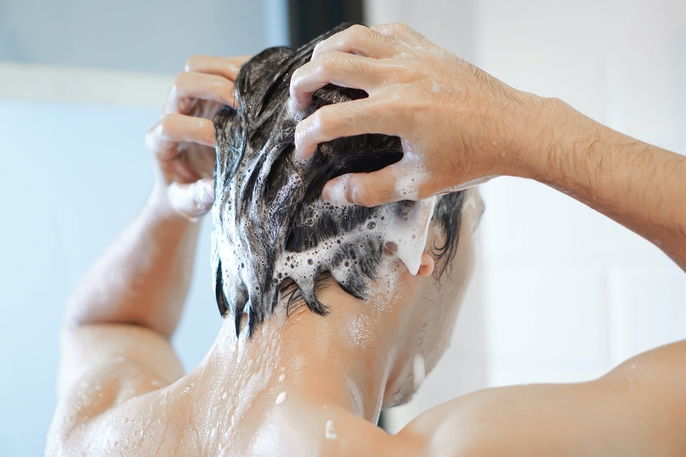
When using these shampoos, it is important not to forcefully remove the scales, as this can cause bleeding and increase the risk of infection. The shampoo should be applied and left on for a few minutes before rinsing with lukewarm water. A soft-bristle brush can then be used to gently loosen flakes.
2. Medications
Sometimes shampoos alone are not enough to manage symptoms.
In these cases, doctors may prescribe immunosuppressants, such as cyclosporine, which work by reducing immune system activity. These are usually recommended for more severe cases. Read more about psoriasis medication your doctor may prescribe.
Other medications used for advanced scalp psoriasis include methotrexate and oral retinoids.
3. Natural treatment
Scalp psoriasis often flares up during times of stress. For this reason, lifestyle measures that help lower stress can be beneficial, such as following a healthy diet, exercising regularly, and taking part in relaxing activities. Check-out the psoriasis diet that can help to prevent and reduce flare-ups.
In some cases, anxiety or depression may worsen symptoms. Psychological or psychiatric support may be recommended, and in certain situations, anxiolytic medications may help with symptom control.
Also recommended: 9 Home Remedies for Psoriasis (& Other Natural Treatments) tuasaude.com/en/home-remedies-for-psoriasisSome natural options may also provide relief, such as aloe vera–based creams, which can help reduce redness and flaking. Controlled sun exposure, especially during cooler hours of the day, can improve lesions and boost vitamin D levels, which supports psoriasis management.