


Rotavirus is an intestinal infection that causes severe diarrhea and vomiting, mainly affecting babies and young children between 6 months and 2 years of age. Infection with rotavirus typically comes on suddenly and lasts around 8 to 10 days.
It’s important to diagnose and treat rotavirus infection quickly, as intense diarrhea and vomiting can increase the risk of dehydration in babies. In addition, because the diarrhea is very acidic, the baby’s diaper area can become red and irritated, making diaper rash more likely.
To help recovery, it’s recommended to increase the baby’s fluid intake and avoid giving foods or medications that slow bowel movements during the first 5 days of diarrhea, since the virus needs to be eliminated through the stool. It’s also best to gently wash the baby’s diaper area with water and a mild moisturizing soap after each episode of diarrhea before putting on a clean diaper.
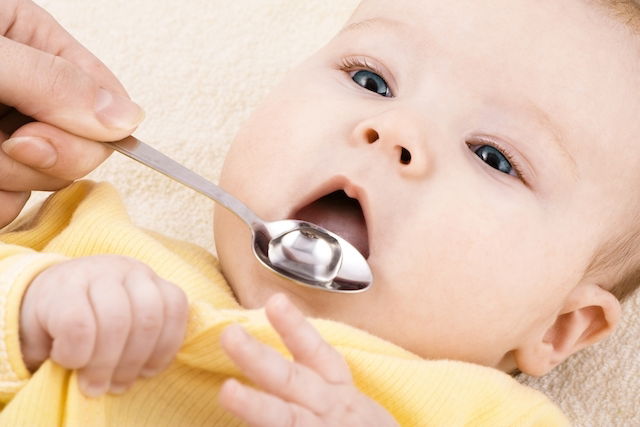
Main symptoms
The most common symptoms of rotavirus include:
-
Vomiting;
-
Severe diarrhea with a foul, sulfur-like odor;
-
High fever between 102 and 104°F (39 to 40°C);
-
Weight loss;
-
Abdominal pain;
-
Runny nose;
-
Cough (in some cases);
-
Redness and rash in the diaper area caused by frequent diarrhea.
Symptoms of rotavirus infection tend to appear suddenly and can last up to 10 days. When vomiting and diarrhea are not properly managed, the risk of dehydration increases. Signs of dehydration may include sunken eyes, reduced urination, dry skin, crying without tears, and cracked lips.
Also recommended: 10 Signs of Dehydration in Babies & Children tuasaude.com/en/signs-of-dehydration-in-babiesConfirming a diagnosis
A diagnosis of rotavirus infection is usually made by a pediatrician based on the child’s symptoms. In some cases, a stool test may be ordered to confirm the presence of the virus.
How it spreads
Rotavirus spreads mainly through contact with the stool of an infected child. A child can transmit the virus even before symptoms appear and up to two months after the infection has resolved. The virus can survive for several days outside the body and is highly resistant to soaps and disinfectants.
Rotavirus can also spread through direct contact between an infected person and a healthy person, by touching contaminated surfaces, or by consuming water or food contaminated with the virus.
Treatment options
Treatment for rotavirus infection should always be guided by a pediatrician. The main goal is to prevent dehydration, since there is no specific antiviral treatment for this infection. The doctor may recommend anti-inflammatory or pain-relief medications to help ease symptoms. However, antidiarrheal medications should be avoided, as they can make it harder for the body to eliminate the virus.
It’s important to encourage fluid intake with options such as water and fruit juice to lower the risk of dehydration. The child should also eat a light diet, including soups and thin purees, to ensure they receive enough vitamins, nutrients, and minerals for faster recovery. Food and liquids should be offered in small amounts to help prevent vomiting.
Other preventive measures are also important, such as washing hands after using the bathroom and before preparing food, maintaining good personal and household hygiene, avoiding potentially contaminated water from rivers, streams, or wells, and keeping animals away from food and food preparation areas.
Signs of improvement
Signs of improvement usually appear after the fifth day, when episodes of vomiting and diarrhea start to decrease. The child may gradually become more active and interested in playing and talking again, which indicates that the amount of virus in the body is decreasing and recovery is underway.
A child can return to daycare or school after being symptom-free (no vomiting or diarrhea) and eating normally for at least 24 hours.
Rotavirus vaccine
The rotavirus vaccine helps prevent severe rotavirus infection and is recommended for all infants in the United States. Two vaccines are approved by the FDA:
-
RotaTeq (RV5): given in 3 doses at ages 2 months, 4 months, and 6 months;
-
Rotarix (RV1): given in 2 doses at ages 2 months and 4 months.
The first dose should be given between 6 weeks and 14 weeks and 6 days of age, and all doses must be completed by 8 months of age.
Even after vaccination, it’s still possible for a child to become infected with rotavirus, but the illness is usually much milder and carries a much lower risk of dehydration and hospitalization.