


Rose milk is commonly applied to the face to help dry out pimples, lighten the appearance of recent dark spots, or remove makeup. Its antiseptic, antibacterial, and astringent properties are believed to contribute to its skin‑cleansing effects.
This is because rose milk may contain ingredients like alcohol, zinc oxide, benzalkonium chloride, sorbitol, and chlorhexidine digluconate, which together are responsible for its effects on the skin.
However, most dermatologists discourage using rose milk on the face, as it can dry out the skin and disturb its natural microbiome, potentially causing irritation or allergic reactions.
Main uses
Rose milk on the face is indicated for:
-
Moisturizing the skin;
-
Reducing skin oiliness;
-
Fighting pimples;
-
Removing recent skin spots.
In addition, rose milk is popularly used as a makeup remover to cleanse the skin after wearing makeup.
Why to avoid
Most dermatologists do not recommend using rose milk on the face because it contains alcohol, which can dehydrate the skin and increase dryness. Over time, this dryness may also contribute to the appearance of wrinkles.
In addition, other substances in rose milk may upset the face’s natural skin flora. This imbalance can increase the risk of irritation or allergic reactions.
How to use
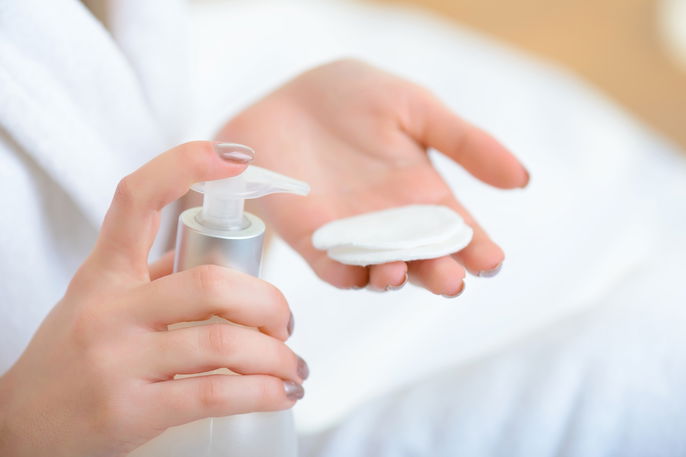
If someone wants to use rose milk on their face to help reduce pimples, they should moisten a cotton ball with a small amount of the rose milk. Gently apply it to the entire face and any other affected areas, then allow it to air-dry.
This treatment can be used up to twice a day. Be sure to apply sunscreen and limit sun exposure to help prevent skin discoloration.
Strategies to eliminate pimples
Managing acne often starts with controlling excess oil on the skin, which helps reduce and dry out pimples. For this reason, it’s recommended to:
-
Wash the face with warm water and a mild soap two times per day, then pat dry with a clean, dry towel;
-
Avoid squeezing pimples, because this can spread infection and make treatment more difficult;
-
Avoid putting makeup on the pimple area;
-
Keep the skin moisturized by using a non-greasy moisturizer;
-
Apply a non-greasy sunscreen with at least SPF 30, even on cloudy days.
In addition, a deep cleansing facial may be recommended and can be done at home or by an esthetician. This can help remove blackheads and keep the skin healthier, cleaner, and moisturized.
According to the American Academy of Dermatology, gently washing the face up to twice daily (and after sweating), avoiding picking or squeezing pimples, and using a broad-spectrum, water-resistant sunscreen with SPF 30 or higher are key habits that can help protect acne-prone skin and reduce irritation risk.
In severe acne cases, where numerous pimples, pustules, and inflamed areas cover much of the face, a dermatologist may prescribe topical or oral medications for comprehensive treatment.