


Reticulocytes are young red blood cells that have not fully matured yet. Because they are still immature, they cannot carry oxygen throughout the body as effectively as mature red blood cells.
Reticulocytes are produced in the bone marrow and then released into the bloodstream. They usually become mature red blood cells within 1 to 2 days.
A reticulocyte count may be ordered by a healthcare provider to evaluate how well the bone marrow is functioning and to help identify conditions such as hemolytic anemia, bone marrow infections, iron deficiency anemia, or fetal erythroblastosis.
Reticulocyte testing is usually ordered along with other lab tests, such as a complete blood count (CBC) and a coagulation panel.
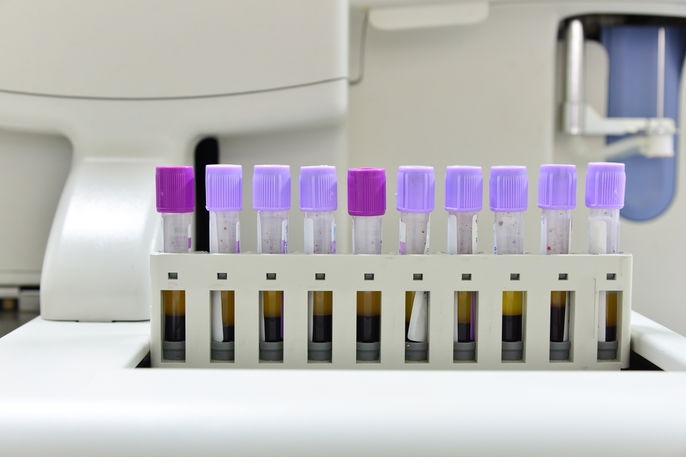
When a reticulocyte count is recommended
A healthcare provider may recommend a reticulocyte count to:
-
Investigate possible hemolytic anemia
-
Evaluate suspected iron deficiency or folate deficiency anemia
-
Monitor response to anemia treatment
-
Assess bone marrow function
-
Check response to chemotherapy
-
Follow up after a bone marrow transplant
Reticulocyte testing is typically ordered with a complete blood count (CBC), which helps healthcare providers evaluate blood cell production and identify possible abnormalities.
A high number of circulating reticulocytes, especially when red blood cell and hemoglobin levels are also abnormal, may suggest changes in bone marrow function. In these cases, the healthcare provider may recommend a myelogram, which is a test used to evaluate the bone marrow.
How the test is done
The reticulocyte test does not require any preparation. It is performed through a simple blood draw, and the sample is sent to a laboratory to be analyzed for reticulocytes.
Reference values
According to the American Society of Hematology, reticulocyte results are now commonly interpreted using the absolute reticulocyte count (ARC) rather than only the percentage of red blood cells.
The ARC and reticulocyte index can help show whether anemia is mainly related to reduced red blood cell production, bone marrow suppression, or hemolysis.
Because reference values can vary, results should always be interpreted by a healthcare provider using the specific reference range provided in the lab report.
High reticulocytes
An increased reticulocyte count may be due to:
-
Hemolytic anemia
-
Bleeding
-
Hemolytic disease of the newborn, also called fetal erythroblastosis
-
Pregnancy
If reticulocytes are increased, a healthcare provider may order additional tests to investigate the cause and confirm the diagnosis. These may include a Coombs test, LDH levels, coagulation tests, and total and fractionated bilirubin.
Low reticulocytes
The main causes of low reticulocyte levels include:
-
Iron or folic acid deficiency anemia
-
Aplastic anemia
-
Bone marrow changes due to infection or tumor
-
Cirrhosis
-
Kidney disease
In cases of low reticulocytes, additional tests may be recommended, such as a CBC, coagulation tests, liver and kidney function tests, and tests to evaluate the bone marrow.
