


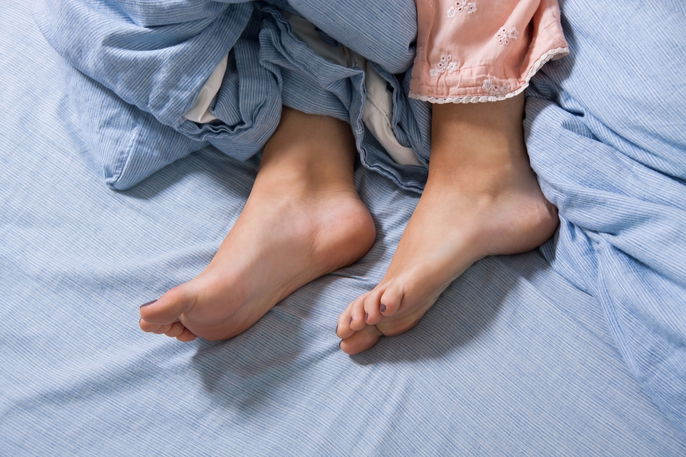
Restless leg syndrome is a condition that causes involuntary leg movements along with uncomfortable sensations in the feet and legs. These symptoms may begin soon after going to bed or continue throughout the night, making it difficult to sleep well.
This condition is more common after age 40 and tends to occur more frequently in women, although it can affect people of any age. Episodes may also happen more often in people who go to bed extremely tired.
Although restless leg syndrome has no cure, symptoms can often be reduced with relaxation techniques and medications prescribed by a doctor. Proper management can help improve sleep quality and reduce daily fatigue.
Main symptoms
The main symptoms of restless leg syndrome include:
-
An uncontrollable urge to move the legs while lying in bed
-
Discomfort in the legs or feet that may feel like tingling, itching, or burning
-
Difficulty falling asleep due to the discomfort
-
Frequent fatigue and daytime sleepiness
Symptoms usually become more intense when a person is lying down or sitting still. They often improve when the person stands up and walks for a short time.
Because the condition can also cause discomfort while sitting, many people with restless leg syndrome frequently move or shake their legs while sitting during the day.
Confirming a diagnosis
Restless leg syndrome is usually diagnosed by a primary care doctor or a physician who specializes in sleep disorders. There is no single test that confirms the condition, so doctors typically make the diagnosis based on the symptoms described by the patient.
Possible causes
The exact cause of restless leg syndrome is not fully understood. However, it may be associated with:
-
Changes in brain areas responsible for controlling muscle movement that rely on the neurotransmitter dopamine
-
Iron deficiency
-
Advanced kidney disease
-
Excessive alcohol or drug use
-
Neuropathy
-
Use of certain medications, such as antiemetics, antidepressants, antihistamines, and antipsychotics
-
Sleep deprivation
-
Excessive consumption of caffeinated foods or beverages
Restless leg syndrome is also more common during pregnancy, particularly in the last trimester. In most cases, symptoms disappear after the baby is born.
Treatment options
Treatment for restless leg syndrome usually begins with dietary and lifestyle adjustments to reduce the intake of substances that may worsen symptoms, such as caffeine or alcohol.
Doctors may also evaluate whether another health condition could be contributing to symptoms, such as anemia, diabetes, or thyroid disorders. If one of these conditions is identified, treating it may help improve restless leg syndrome symptoms.
In more severe cases, when symptoms are intense and significantly disrupt sleep, medications may be recommended, such as:
-
Dopamine agonists: Often the first-line medication option. These drugs act similarly to dopamine in the brain and help reduce symptom severity.
-
Benzodiazepines: Sedative medications that can help a person fall asleep more easily, even if some symptoms remain.
-
Alpha-2 agonists: These stimulate alpha-2 receptors in the brain and reduce nerve signals that trigger involuntary muscle movements.
Opioids may also be used in severe cases. These medications are typically prescribed for intense pain but may help reduce restless leg syndrome symptoms. Because they carry a high risk of dependence and side effects, they should only be used under strict medical supervision.