


Reishi, also known as ling chih or ling zhi, is a mushroom often used to support the immune system and boost energy. Many people also incorporate it into their wellness routines to help improve sleep quality and overall stamina.
The potential health benefits of reishi (Ganoderma lucidum) stem from its bioactive compounds, which include alkaloids, triterpenes, and polysaccharides. These medicinal components are thought to interact with the body to promote various physiological improvements.
You can find reishi in various forms, such as powders, capsules, liquids, or even whole in soups and stir-fries. However, it is important to note that current scientific research has not yet fully confirmed these specific health benefits.
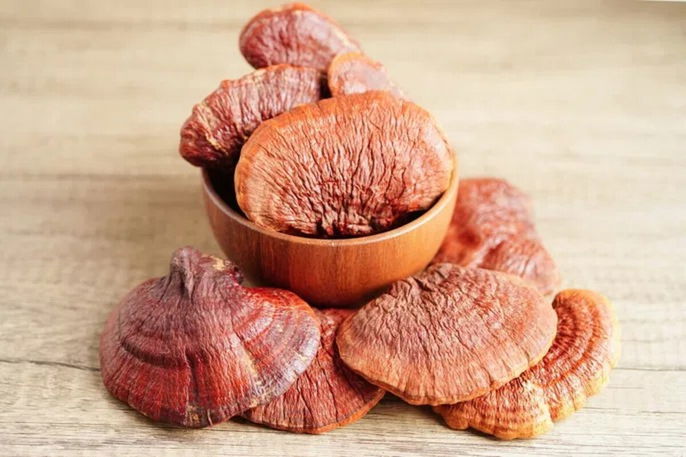
What reishi is used for
The possible uses for reishi include:
-
Strengthening the immune system;
-
Increasing energy and stamina;
-
Managing high cholesterol levels;
-
Supporting cancer prevention and treatment;
-
Maintaining healthy liver and kidney function;
-
Improving the quality of sleep;
-
Helping to regulate blood pressure.
Despite these traditional uses, there is currently a lack of rigorous scientific evidence to confirm that reishi mushroom provides these specific medicinal benefits.
How to consume
Reishi can be added to dishes like stir-fries and soups. However, be aware that this mushroom has a naturally bitter flavor and a very woody, tough texture that can be difficult to eat.
Most people prefer reishi in supplement form, such as powders, liquids, or capsules. Typical dosages range from 1.4 to 5.4 grams per day, often divided into three separate doses for up to one year.
You should always consult with a doctor or a healthcare professional specializing in herbal medicine before starting a reishi regimen to determine the appropriate dosage for your needs.
Possible side effects
Common side effects associated with reishi mushroom include dizziness, dry mouth, itching, nausea, stomach discomfort, and skin rashes.
Consuming high doses of reishi may lead to more significant issues, such as excessive sweating, increased urination, insomnia, or potential liver toxicity.
Who should avoid it
Pregnant or breastfeeding women should avoid reishi because there is insufficient research to guarantee its safety during these periods.
If you are taking anticoagulants (blood thinners) or medications for high blood pressure or diabetes, you must speak with your physician before using reishi.
Furthermore, high doses of reishi can increase the risk of bleeding during surgical procedures. It is recommended to stop taking reishi at least two weeks before any scheduled surgery.