


Red yeast rice is a traditional food made by fermenting white rice with a type of yeast called Monascus purpureus. This process gives the rice its red color and produces natural compounds that can affect cholesterol levels.
One of the main active substances in red yeast rice is monacolin K, which works in a way similar to certain cholesterol-lowering medications. Because of this, it has been widely studied for its effects on heart health.
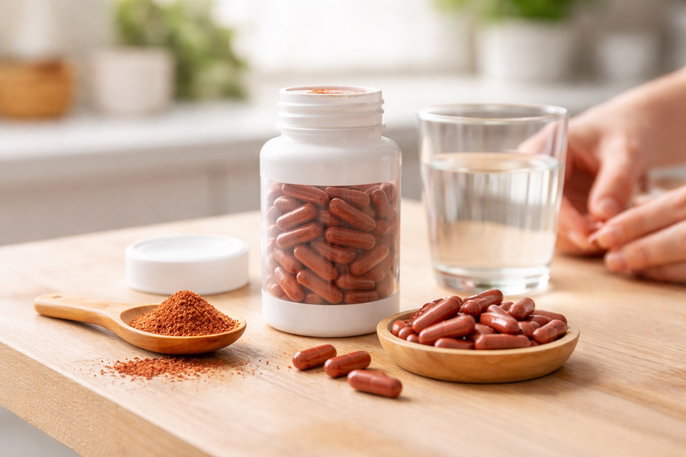
Red yeast rice is commonly sold as a dietary supplement in capsules or powder form. However, the amount of active compounds can vary between products, which may affect both its benefits and safety.
Health benefits
Some health benefits red yeast rice include:
1. Helps lower LDL cholesterol
Red yeast rice may reduce levels of LDL cholesterol by limiting its production in the liver. This effect is mainly due to monacolin K, which works similarly to statin medications. Lower LDL levels are linked to better heart health and reduced plaque buildup in arteries.
2. Supports overall lipid profile
In addition to lowering LDL, it may help reduce total cholesterol and triglycerides. These changes can improve the balance of fats in the blood, which is important for cardiovascular health. A healthier lipid profile may also support better circulation over time.
3. May reduce cardiovascular risk
By improving cholesterol levels, red yeast rice may help lower the risk of cardiovascular conditions. Studies suggest that consistent use can support heart health in people with elevated cholesterol. However, its benefits depend on proper dosing and individual health factors.
Recommended daily dose
The recommended dose of red yeast rice can vary depending on the product and its monacolin K content.
Many studies have used amounts that provide about 3 to 10 mg of monacolin K per day, which has been associated with cholesterol reduction.
Because supplement strength can differ, doses should be interpreted carefully to avoid excessive intake.
How to take it
Red yeast rice is usually available as capsules, tablets, or powder. Capsules and tablets are the most common forms because they provide a more standardized amount of active compounds, while powders may be added to foods or drinks but can vary more in strength.
It is commonly taken once or twice daily with food, depending on the formulation and concentration of monacolin K. Taking it with meals may help improve absorption and reduce the chance of stomach discomfort. Some products may also include other ingredients, such as plant sterols or coenzyme Q10, which are often used to further support cholesterol management.
Possible side effects
Red yeast rice may cause side effects similar to those seen with statin medications because of its monacolin content.
Common side effects include digestive discomfort, muscle pain, and headache.
In some cases, more serious effects such as liver injury or muscle damage may occur, especially at higher doses or with long-term use.
Contraindications
Red yeast rice is not recommended for people with liver disease or a history of muscle disorders.
It should not be used during pregnancy or breastfeeding due to potential risks.
People taking cholesterol-lowering medications, certain antibiotics, or other drugs that affect the liver or muscles should avoid using red yeast rice unless advised by a healthcare professional.
Important considerations
The quality and safety of red yeast rice supplements can vary because they are not strictly regulated.
Some products may contain very low amounts of active compounds, while others may contain levels similar to prescription medications. This variability can affect both effectiveness and safety.
There are also regulatory concerns in the United States, where products with high monacolin K levels may be treated as unapproved drugs rather than supplements.