


- Red raspberry leaf tea contains natural flavonoids and tannins that offer antioxidant and anti-inflammatory support.
- Research suggests potential benefits for metabolic balance, digestive comfort, and antimicrobial activity.
- Use during pregnancy requires caution, as evidence shows mixed effects on uterine muscle tone and possible interactions with medications.
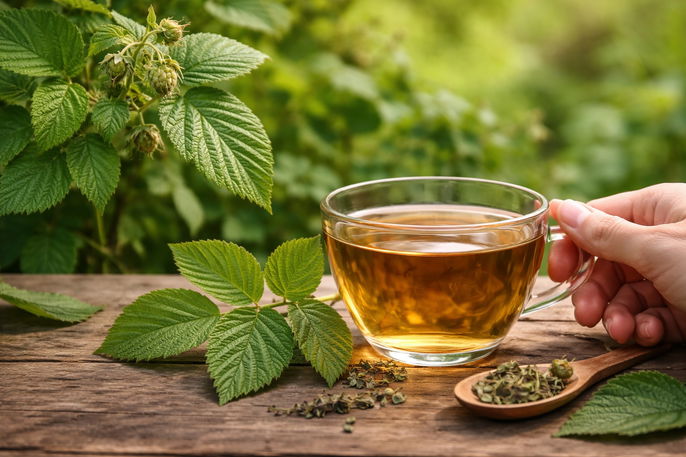
Red raspberry leaf tea is an herbal preparation made from the leaves of Rubus idaeus, a plant known for its natural compounds like polyphenols, flavonoids, and tannins. These compounds have been studied for their antioxidant and anti-inflammatory properties.
Current research explores how red raspberry leaf tea may support metabolic balance, digestive comfort, and antimicrobial activity. Studies also examine potential effects on uterine muscle tone, with findings that vary depending on dosage and timing.
Red raspberry leaf tea can be used as a tea, tincture, capsule, or extract, each offering different levels of concentration. Because some evidence suggests considerations for pregnancy and medication interactions, understanding its possible benefits and precautions is important before use.
Health benefits
Health benefits of red raspberry leaf tea include:
1. Antioxidant activity
Red raspberry leaves contain ellagitannins, flavonoids and phenolic acids that help neutralize free radicals. Studies show strong antioxidant potential, which may help protect cells from oxidative stress. This antioxidant activity is one of the most widely supported properties of raspberry leaf.
2. Anti-inflammatory effects
Laboratory studies demonstrate that raspberry leaf extracts can reduce inflammatory markers in cell and animal models. These effects appear to be linked to flavonoids, phenolic acids and compounds such as sanguiin H-6. Anti-inflammatory properties may support general tissue comfort and help modulate inflammatory pathways.
3. Metabolic and cardiovascular support
Research on raspberry compounds shows potential improvements in glucose handling, lipid balance and oxidative stress. Studies suggest beneficial effects on markers related to metabolic syndrome, including insulin sensitivity and post-meal glucose response. These effects mainly result from the plant’s polyphenol content.
4. Antimicrobial properties
Raspberry leaf extracts demonstrate antimicrobial activity against certain bacteria and fungi. Laboratory studies show inhibitory effects on species such as Streptococcus mutans and Candida albicans. These findings suggest potential applications for oral and digestive health.
5. Digestive comfort
Some studies highlight the ability of raspberry polyphenols to support gastric tissue. Compounds such as ellagitannins may help reduce gastric irritation by modulating inflammatory pathways. Animal studies also indicate potential protection against gastric inflammation.
6. Reproductive and uterine support
Traditional use and some laboratory findings suggest that raspberry leaf may influence smooth muscle tone, partly attributed to compounds like fragarine. Clinical studies on pregnancy outcomes show mixed results, indicating possible effects on labor progression but requiring further research. Regulatory agencies note uncertainty and recommend caution, especially early in pregnancy.
How to use
Red raspberry leaf can be consumed in several forms. Preparation methods vary depending on whether it is used as tea, tincture, capsules or extracts.
1. Tea infusion
Red raspberry leaf tea is typically prepared by steeping 1 to 2 teaspoons of dried leaves in hot water. Infusion times may range from 10 to 15 minutes to allow release of polyphenols such as ellagic acid and flavonoids. One to three cups per day is commonly described in traditional use; however, pregnant people should follow medical guidance.
2. Tablets or capsules
Tablets containing dried raspberry leaf extract often provide standardized doses of the plant. Traditional sources describe doses such as 113 to 226 mg per tablet, taken up to several times per day. Commercial products differ, so instructions should be followed as provided on the label.
3. Tincture
Raspberry leaf tinctures are typically prepared in a 1:5 ratio in 25% alcohol. Traditional guidelines suggest 2 to 4 mL, taken up to three times per day. Tinctures provide a concentrated liquid extract for those who prefer not to use tea.
4. Liquid or powdered extracts
Extracts can be obtained using water, alcohol or other methods such as ultrasound-assisted extraction. These preparations vary in concentration and are often used in supplements or functional foods. Optimal extraction can increase the release of phenolic compounds.
Possible side effects
Raspberry leaf is generally considered low risk, but research highlights certain considerations. High polyphenol intake may interfere with iron absorption or digestive enzymes. Raspberry leaf extracts may also affect enzyme pathways such as CYP2D6 or CYP3A4, potentially altering medication metabolism. Mild gastrointestinal discomfort may occur in some people.
Contraindications for use
The use of red raspberry leaf tea in early pregnancy remains uncertain. Regulatory reviews note limited evidence and recommend avoiding it during the first trimester unless advised by a healthcare professional. Later use in pregnancy should also be discussed with a clinician, as studies show mixed results on labor effects.
People with hormone-sensitive conditions, digestive diseases or chronic illnesses should speak with a healthcare professional before using raspberry leaf products.