


Red light therapy is a treatment that uses low levels of red or near-infrared light to affect cells in the body. It is also known as photobiomodulation or low-level light therapy and is commonly used for skin and healing purposes.
This type of therapy has been studied for several uses, especially for improving skin appearance, reducing inflammation, and helping with wound healing. Research also explores its role in hair growth and pain management, although results can vary depending on the condition and how it is used.
Red light therapy is generally considered safe when used correctly, but it is important to understand how it works, how to use it properly, and when medical guidance may be needed. Knowing its limits helps set realistic expectations and reduces the risk of side effects.
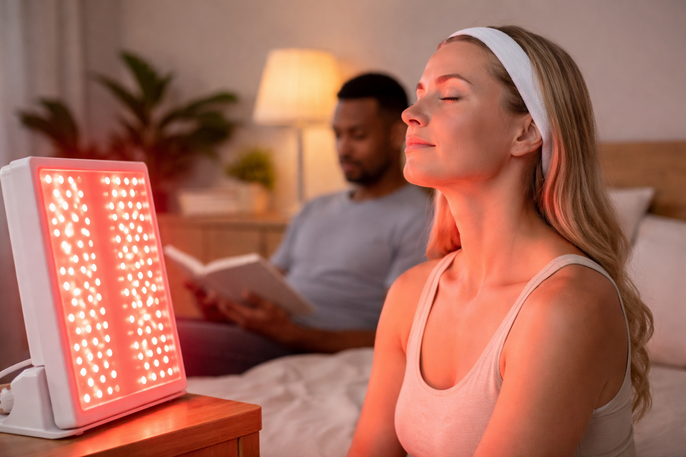
Health benefits
Red light therapy is used for several health and cosmetic purposes, such as:
1. Skin health and aging
It may help reduce fine lines, wrinkles, and skin roughness by supporting collagen production. This can improve overall skin texture and appearance over time.
2. Wound healing and scars
Red light therapy may speed up wound healing by supporting tissue repair and reducing inflammation. It can also help improve the appearance of scars.
3. Acne and inflammatory skin conditions
Its anti-inflammatory effects may help reduce redness and swelling associated with acne and other skin conditions.
4. Hair loss
Some studies suggest that red light therapy may stimulate hair growth in people with pattern hair loss. It is often used as part of a treatment plan for androgenetic alopecia.
5. Pain and inflammation
It may help reduce pain and inflammation in muscles and joints, including conditions like arthritis or tendon injuries.
How to use
Red light therapy can be used in clinics or at home with approved devices.
Sessions are usually performed several times per week, depending on the condition being treated. Consistency is important, as results tend to appear gradually over time with repeated use.
Each session typically lasts from a few minutes up to about 20 minutes. The exact duration depends on the device being used and the size of the treatment area.
The light is applied directly to the skin at a short distance, allowing it to penetrate the tissue effectively. In many cases, protective eyewear is recommended, especially when treating areas near the face, to reduce the risk of eye exposure.
Home vs clinical use
Red light therapy can be done either at home or in a clinical setting, and the main difference lies in the strength, precision, and supervision of the treatment.
At-home devices are more accessible and convenient, allowing regular use without the need for appointments. These devices are usually designed with lower light intensity to improve safety, which makes them suitable for ongoing maintenance or mild concerns. However, results may take longer to appear due to the lower power output.
Clinical treatments are performed using more advanced equipment that delivers higher and more controlled doses of light. This can lead to faster or more noticeable results, especially for conditions like significant skin aging, hair loss, or pain. In addition, treatments in a clinical setting are guided by trained professionals, which helps ensure the correct dose, timing, and application for each condition.
Red light therapy vs infrared therapy
Red light therapy and infrared therapy are both forms of light-based treatments, but they differ mainly in how deeply the light penetrates the body and what they are commonly used for.
Red light therapy uses wavelengths that mainly affect the surface layers of the skin. It is often used for skin-related concerns such as improving texture, reducing wrinkles, supporting wound healing, and helping with acne or mild inflammation.
Infrared therapy uses longer wavelengths that can penetrate deeper into the body, reaching muscles, joints, and deeper tissues. Because of this, it is more commonly used for pain relief, muscle recovery, and conditions involving deeper inflammation.
Although both therapies work by supporting cellular activity and reducing inflammation, the main difference lies in the depth of action. Red light therapy is more focused on skin and superficial tissues, while infrared therapy targets deeper structures. In some cases, devices may combine both types of light to provide broader effects.
Side effects
Red light therapy is generally well tolerated when used properly.
Possible side effects include:
- Mild redness or irritation of the skin
- Temporary dryness
- Rarely, burns if the device is used incorrectly
Improper use, such as using high intensity or prolonged exposure, may increase the risk of side effects.
Contraindications
Red light therapy may not be suitable for everyone. It should be used with caution or avoided in people with a history of skin cancer or suspicious skin lesions, as well as those taking medications that increase sensitivity to light.
It may also not be appropriate for individuals with certain eye conditions, especially if proper eye protection is not used during treatment. In addition, people with photosensitive conditions, such as lupus, should be cautious when considering this therapy.
Medical advice is recommended before starting red light therapy in any of these situations.
When to see a doctor
Medical evaluation may be needed before or during red light therapy in some situations.
This includes:
- Persistent or worsening skin problems
- Significant hair loss or unexplained symptoms
- Any signs of burns, swelling, or unusual reactions
- Existing medical conditions that require supervision
A healthcare professional can help determine if red light therapy is appropriate and ensure safe use.