


- A red belly button with pain, swelling, foul-smelling discharge, or fever may indicate a serious infection that requires medical treatment.
- Severe abdominal pain, nausea, vomiting, or a firm swollen navel could be a strangulated hernia and needs emergency care.
- A persistent lump, bleeding, or a dark or growing nodule in the belly button may signal a more serious condition and should be evaluated promptly.
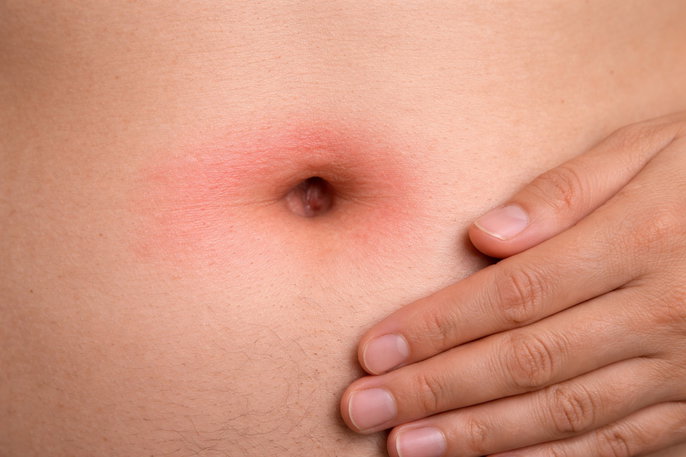
A red belly button is a common symptom that usually points to irritation, infection, or inflammation in or around the navel. In most cases, a red belly button is caused by a local skin issue, although it can sometimes be linked to deeper or more serious conditions.
A red belly button may appear along with symptoms such as pain, swelling, discharge, or a visible lump. The underlying cause can range from mild skin irritation to infections or, in rare cases, conditions involving internal organs.
Treatment for a red belly button depends on the cause and may include proper hygiene, topical or oral medications, or surgery in more severe cases. Medical evaluation is important if symptoms worsen, do not improve, or are accompanied by pain, discharge, or a growing mass.
What causes a red belly button?
The main causes of a red belly button include infections, inflammatory skin conditions, and, less commonly, structural or systemic diseases.
1. Omphalitis (umbilical infection)
Omphalitis is an infection of the belly button and surrounding skin that can occur in adults due to bacterial buildup, foreign bodies, or underlying abnormalities. It often causes a red belly button with swelling, warmth, and tenderness.
Other symptoms may include pain, foul-smelling discharge, fever, and sometimes a lump if an abscess develops. In more severe cases, the infection can spread and lead to systemic symptoms.
What to do: Treatment usually involves antibiotics to control the infection and proper cleaning of the area. In some cases, drainage or surgical removal of infected tissue may be necessary.
2. Umbilical candidiasis (yeast infection)
A yeast infection can develop in the belly button, especially in warm, moist environments. This condition often causes a bright red belly button with a moist rash and small surrounding spots.
It may also cause itching, burning, discomfort, and sometimes a mild odor or whitish debris in the area. This type of infection is more common in people with excess moisture or skin folds.
What to do: Treatment includes antifungal creams or powders and keeping the area clean and dry. In more persistent cases, oral antifungal medication may be needed.
3. Umbilical endometriosis
Umbilical endometriosis occurs when tissue similar to the lining of the uterus grows in the belly button. It can appear as a red or brown nodule that may change over time.
Symptoms may include cyclical pain, swelling, or bleeding from the belly button, especially during menstruation. Some people may also have other signs of endometriosis.
What to do: Treatment usually involves surgical removal of the lesion. Hormonal therapy may be used to help manage symptoms or associated conditions.
4. Sister Mary Joseph nodule
This condition is a rare but serious cause of a red belly button and is due to cancer spreading to the umbilical area. It typically appears as a firm red or violaceous nodule.
Other symptoms may include pain, ulceration, discharge, and signs related to the underlying cancer, such as weight loss or abdominal discomfort.
What to do: Treatment focuses on managing the underlying cancer, often with chemotherapy or other systemic therapies. Local treatments may help relieve symptoms but do not cure the condition.
5. Strangulated umbilical hernia
A strangulated umbilical hernia occurs when part of the intestine becomes trapped in the abdominal wall near the belly button. This can lead to a red belly button with swelling and significant pain.
It may also cause nausea, vomiting, and signs of bowel obstruction. This is a medical emergency that requires immediate care.
What to do: Emergency surgery is required to repair the hernia and prevent complications. Antibiotics may also be used if an infection is suspected.
6. Irritant or erosive dermatitis
This condition develops when the skin around the belly button becomes irritated due to moisture, discharge, or contact with irritating substances. It can cause a red belly button with inflamed or damaged skin.
Symptoms may include burning, pain, and possible crusting or discharge. It is often linked to prolonged moisture or poor skin care.
What to do: Treatment focuses on removing the source of irritation, improving hygiene, and using barrier creams. Short-term topical medications may help reduce inflammation.
7. Benign umbilical tumors and dermatoses
Some benign skin growths or inflammatory conditions can cause a red belly button, often appearing as a small lump or raised area. These may include cysts or vascular growths.
Symptoms are usually mild but may include bleeding, irritation, or slow growth of the lesion. Although generally not serious, these conditions can resemble more concerning problems.
What to do: Treatment may involve removing the lesion for diagnosis and symptom relief. A biopsy is often performed to confirm that the condition is benign.
When to seek medical attention
A red belly button should be evaluated by a healthcare provider if it is associated with pain, discharge, bleeding, or a growing lump. Urgent medical care is needed if there are signs of spreading infection, severe pain, or symptoms of bowel obstruction.
Persistent or unusual symptoms should also be assessed to rule out more serious conditions. Early evaluation helps ensure proper treatment and reduces the risk of complications.