


Receding gums occur when the gum tissue moves away from a tooth, exposing more of the tooth or its root. Also called gingival recession, this condition can affect one tooth or several teeth and may develop gradually.
Common signs include teeth that look longer, exposed roots and sensitivity to hot, cold or sweet foods. Some people may also have gum inflammation, bleeding or other signs of periodontal disease.
Treatment depends on the cause, severity and risk of further tissue loss. Changes in oral hygiene may be enough for mild cases, while periodontal treatment, restorative care or gum graft surgery may be recommended for more advanced recession.
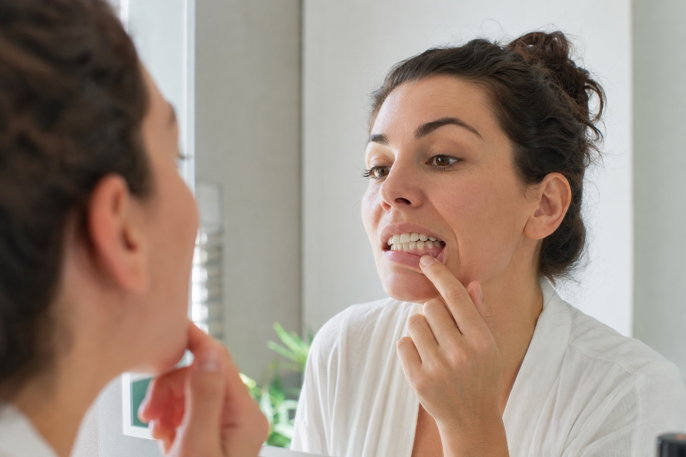
Main symptoms
Common signs and symptoms of receding gums include:
-
Teeth that appear longer than before
-
Visible or exposed tooth roots
-
Sensitivity to hot, cold, sweet or acidic foods and drinks
-
Discomfort when brushing the teeth
-
Gaps or dark spaces between the teeth
-
Red, swollen or bleeding gums when periodontal inflammation is present
Some people have few symptoms even when recession is present. Regular dental examinations can help identify changes before sensitivity or more serious tissue damage develops.
Possible causes
Receding gums usually result from:
-
Periodontitis: Periodontitis can damage the gum tissue and bone that support the teeth, causing the gums to pull away and expose more of the tooth root.
-
Traumatic toothbrushing: Brushing too hard or using an aggressive technique can repeatedly injure the gum margin and contribute to gradual gum recession.
-
Plaque buildup: Plaque can irritate the gums and increase inflammation, especially around crowded teeth, dental restorations and orthodontic appliances.
-
Tooth position and thin gum tissue: Teeth positioned outside the main area of bone support, along with naturally thin gums or limited bone, may be more likely to develop recession.
-
Orthodontic movement and retainers: Moving teeth too far toward the outside of the jawbone or having retainers that trap plaque or place unwanted pressure may increase the risk of gum recession.
-
Smoking and other habits: Smoking, alcohol use and habits that repeatedly place pressure or friction on the gums may increase the risk of tissue damage and recession.
-
High or tight frenulum: A frenulum attached close to the gum margin may pull on the gum tissue during lip movement and contribute to recession in some areas.
-
Bite-related stress: Uneven bite forces may place extra pressure on certain teeth and their supporting tissues, which can contribute to gingival recession.
Because receding gums often have more than one cause, a dental examination can help identify the factors involved and guide treatment.
Confirming a diagnosis
A dentist diagnoses receding gums by examining the position of the gum margin and measuring the amount of exposed root. The examination may include measuring the distance between the gumline and a fixed point on the tooth to determine the depth and extent of recession.
The dentist also checks for plaque, bleeding, gum pockets, loss of attachment, tooth mobility and signs of bone loss. Dental X-rays may be used when periodontitis or reduced bone support is suspected, although X-rays do not directly show the soft gum tissue.
Recession may be classified according to the amount of tissue loss between the teeth and the possibility of covering the exposed root. The dentist may also assess gum thickness, the width of firm gum tissue, tooth position, frenulum attachment, brushing habits, orthodontic history and changes seen during previous examinations.
When to see a dentist
A dental evaluation is recommended when tooth roots become visible, the teeth appear longer or sensitivity develops near the gumline. Assessment is also important when recession seems to be getting worse or affects the appearance of the smile.
Prompt care is particularly important when receding gums occur with bleeding, swelling, deep gum pockets, persistent bad breath, pus, loose teeth or difficulty chewing. These signs may indicate active periodontal disease that requires professional treatment.
Treatment options
Treatment is selected according to the cause of the recession, the amount of exposed root, the condition of the supporting bone and gums, and whether the area is stable or continuing to worsen.
1. Oral hygiene changes
Mild or stable recession may be managed by correcting habits that irritate the gums. A dentist or dental hygienist may recommend a gentler brushing technique and improved cleaning around the gumline.
Professional guidance can help remove plaque without causing further trauma. Areas around retainers, crowded teeth and dental restorations may require special cleaning methods.
2. Treatment for tooth sensitivity
Exposed roots can be sensitive because they are not protected by enamel in the same way as the crowns of the teeth. Desensitizing toothpaste or other professional desensitizing products may help reduce discomfort.
These treatments do not move the gums back over the root. They are used to control symptoms while the underlying cause is addressed.
3. Periodontal treatment
When recession is associated with periodontitis, treatment focuses on removing plaque, bacterial biofilm and tartar from the teeth and root surfaces. Scaling and root planing may be used to clean areas above and below the gumline.
More advanced periodontal disease may require surgical access to remove deposits, reduce deep pockets or treat damaged supporting tissues. Long-term periodontal maintenance is important because the disease can return or progress without regular care.
4. Restorative treatment
An exposed root may develop wear, decay or a non-cavity defect near the gumline. A dental restoration may be used to protect the area, improve its shape or reduce sensitivity.
When recession occurs together with a cervical tooth defect, the dentist and periodontist may plan restorative and periodontal treatment together. The order and type of treatment depend on the depth of the defect, the position of the gum margin and the thickness of the tissue.
5. Gum graft surgery
Gum graft surgery may be considered when recession is progressing, sensitivity cannot be controlled, the exposed root is at risk of damage or the appearance is a concern. The procedure places tissue over or around the exposed root to increase tissue thickness and reduce the chance of further recession.
Connective tissue from the roof of the mouth is commonly used and is considered an effective option for root coverage. Donor materials, collagen matrices or other substitutes may be considered in selected cases.
6. Root coverage procedures
A coronally advanced flap moves nearby gum tissue toward the exposed root. Tunnel techniques create space beneath the existing gum so graft material can be placed with limited incisions.
The amount of root coverage that can be achieved depends on the type of recession, the condition of the tissue between the teeth, root shape, tooth position and tissue thickness. Complete coverage may not be possible when there is substantial loss of gum or bone between neighboring teeth.
Can receding gums grow back?
Gum tissue that has been lost does not normally grow back on its own. Removing the cause may stop or slow further recession, but it does not usually restore the original gumline.
Surgical root coverage can move or add tissue over an exposed root. The expected result depends on the location and classification of the recession, the health of the surrounding tissues and the presence of bone or attachment loss.