


Rapunzel syndrome is a rare condition in which swallowed hair builds up in the stomach and forms a large hairball. This hairball can extend from the stomach into the intestine, causing symptoms such as severe abdominal pain, vomiting, weight loss, and digestive blockage.
It can occur in people with trichotillomania and trichophagia. Trichotillomania is an uncontrollable urge to pull out hair, while trichophagia is the habit of swallowing hair after pulling it out.
Rapunzel syndrome can be treated with surgery to remove the hair buildup from the stomach and intestine. Mental health support is also important to help control the urge to pull out and swallow hair, which can help prevent the syndrome from coming back.
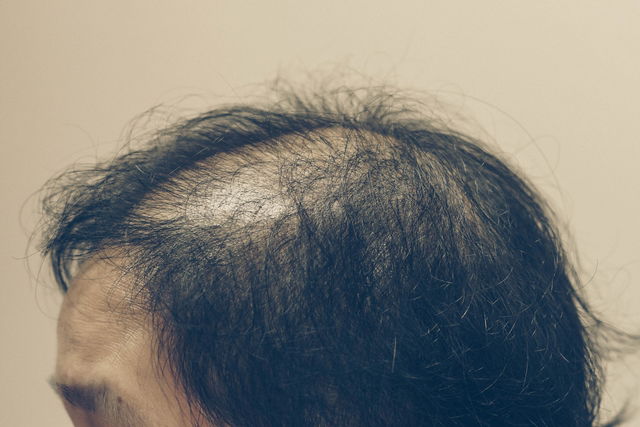
Main symptoms
The main symptoms of Rapunzel syndrome are:
-
Shame due to hair loss in some areas of the scalp
-
Constipation
-
Frequent vomiting after meals
If someone repeatedly pulls out and eats their hair and develops any of these symptoms, they should seek care in the emergency department for evaluation.
Imaging studies, such as an ultrasound, CT scan, or X-ray, may be needed to confirm the diagnosis and guide treatment, helping to prevent serious complications like intestinal perforation.
Possible causes
Rapunzel syndrome is typically associated with two psychological conditions: trichotillomania, a compulsive urge to pull out one’s hair, and trichophagia, the act of swallowing the pulled hair.
In some cases, hair-eating behavior may be linked to nutritional deficiencies, particularly iron deficiency. However, the condition is more commonly associated with underlying psychological distress, such as chronic stress or emotional challenges (for example, parental separation or the end of a relationship).
As a result, Rapunzel syndrome is more frequently observed in children and adolescents who lack effective coping mechanisms for stress, leading to a compulsive pattern of hair pulling and ingestion.
According to the American Psychiatric Association, trichotillomania, also called hair-pulling disorder, is one of the obsessive-compulsive and related disorders that can involve recurring body-focused repetitive behaviors and repeated attempts to stop the behavior.
Treatment options
Treatment for Rapunzel syndrome should be guided by a mental health professional together with a gastroenterologist and, in many cases, a surgeon. At first, treatment focuses on removing the hairball from the stomach and intestine, which may be done with surgery, including laparoscopic surgery in some cases.
Mental health follow-up is also essential, as it can help identify what is causing the person to pull out and swallow their hair. According to the American Academy of Child and Adolescent Psychiatry, habit reversal therapy is a specialized type of cognitive behavioral therapy (CBT) that helps a child recognize the thoughts, feelings, and behaviors associated with hair pulling.
Depending on the severity of the psychological disorder and any related symptoms, a doctor or psychiatrist may prescribe medication, such as an antidepressant. This may help as part of the overall treatment plan, especially when symptoms such as anxiety or depression are also present.