


Rapid HIV tests are designed to determine if a person has contracted the virus by detecting specific antibodies in under 30 minutes. This screening tool can use either a saliva sample or a small amount of blood to provide quick results.
These tests are available at various health clinics and community centers, often at little to no cost for the patient. You can easily find these testing services at local health departments or specialized counseling sites across the country.
Public health facilities perform these screenings confidentially, and results are shared only with the individual who took the test. If a result is positive, the patient is immediately connected with counseling to discuss the infection and next steps for treatment.
How the test is performed
There are two primary ways that rapid HIV tests identify the presence of the virus in your body:
Saliva test
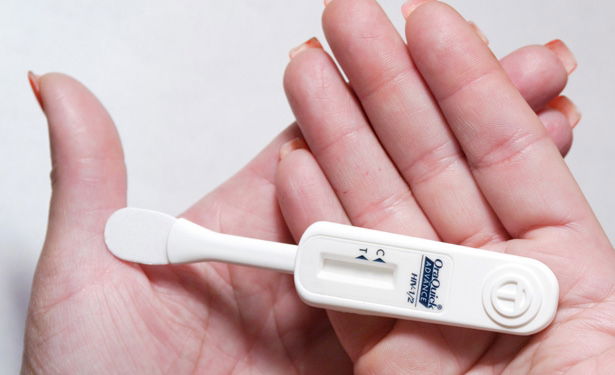
The saliva test uses a specialized swab to collect oral fluid and cells by rubbing it along your gums and inner cheek. The swab is then placed in a tube with a chemical reagent, allowing you to see the results in about 30 minutes. A positive result is indicated when two distinct lines appear on the testing device. To ensure accuracy, you must avoid eating, drinking, smoking, or brushing your teeth for 30 minutes before the test, and any lipstick should be removed.
Blood test
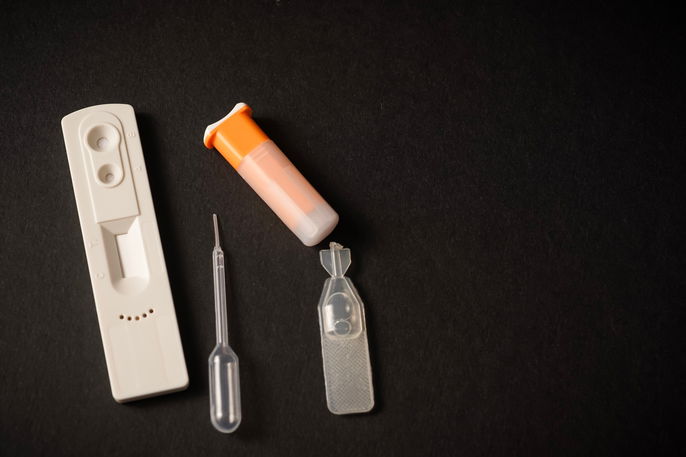
The blood test is the most common method and involves taking a small sample from a quick fingertip prick. This blood sample is placed onto a testing device where it reacts with a specific solution. Within 30 minutes, you can read the result based on the lines that appear on the device. A negative result shows one line, while a positive result shows two pink or red lines, regardless of how faint they may seem.
When to take a rapid HIV test
Medical professionals recommend waiting at least 30 days after a potential exposure, such as unprotected sex or sharing needles, before taking a rapid test. This waiting period is necessary because the body needs time to produce enough antibodies for the test to detect.
This timeframe is commonly referred to as the window period. If you test too early, you may receive a false negative result because the virus is not yet detectable. If you receive a positive result on a rapid test, a follow-up laboratory test is required to confirm the diagnosis and measure the viral load before starting a treatment plan.
What to do if the result is positive
If your rapid test returns a positive result, you should consult a healthcare provider immediately for confirmatory testing. This follow-up is essential to verify the infection and determine the best course of medical treatment for your specific situation.
Once an HIV diagnosis is confirmed, your doctor will provide guidance on managing the virus and maintaining your long-term health. They will also discuss ways to prevent transmitting the virus to others, such as through the use of antiretroviral therapy (ART).
If you have had a high-risk encounter but received a negative result, it is often recommended to repeat the test after 30 and 60 days. This ensures that a negative result is accurate and was not simply taken too early during the initial window period.