


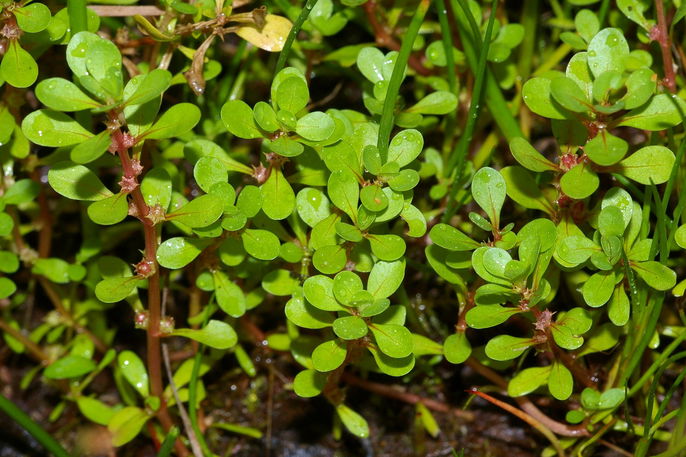
Purslane is a low-growing plant used to help manage diabetes, support heart health, and prevent chronic diseases. These health benefits are linked to the plant's natural diuretic, antioxidant, and anti-inflammatory properties.
As one of the richest plant-based sources of omega-3 fatty acids, its scientific name is Portulaca oleracea. This versatile plant is commonly used in salads, soups, and stews across various European cuisines.
Because it is high in omega-3s, purslane is an excellent fish alternative for those following vegetarian or vegan diets. It offers a nutrient-dense profile that supports overall wellness when included in a balanced diet.
Health benefits
Purslane offers several health benefits:
1. Helping manage diabetes
Studies on the plant suggest that consuming purslane extract may help regulate blood sugar levels. It appears to modulate glucose metabolism while improving insulin sensitivity.
2. Protecting against oxidative stress
Purslane is packed with antioxidants like gallotannins, omega-3, vitamin C, quercetin, and apigenin. These compounds help protect cells from damage caused by free radicals.
Regular consumption may help protect the body against premature aging and strengthen the immune system. It may also play a role in reducing the risk of certain types of cancer.
3. Relieving arthritis inflammation
Laboratory research on purslane extract indicates it may relieve inflammation associated with arthritis. In animal studies, the effects were similar to certain corticosteroids commonly used to treat inflammatory conditions.
4. Fighting bacterial infections
Research shows that purslane extract has antibacterial properties against several types of bacteria. These include Klebsiella pneumoniae, Pseudomonas aeruginosa, Streptococcus pyogenes, and Staphylococcus aureus, even in cases where resistance to common antibiotics was present.
5. Preventing cardiovascular disease
Beyond its high omega-3 content which protects the heart, purslane has shown potential in managing hyperlipidemia. Animal studies suggest it helps maintain healthy cholesterol and triglyceride levels.
6. Preventing gastric ulcers
Due to the presence of flavonoids like kaempferol, apigenin, and quercetin, purslane may help protect the stomach lining. This protective barrier makes it more difficult for gastric ulcers to develop.
7. Reducing blood pressure
In studies using aqueous purslane extract, researchers found that the plant's high potassium content may help lower blood pressure. Its natural diuretic effect also assists in blood pressure management.
8. Supporting wound healing
When applied topically to minor wounds or burns, crushed purslane leaves may speed up the healing process. This is achieved by reducing the wound surface area and improving the strength of the recovering tissue.
Nutritional information
The following table shows the nutrient content for 3.5 ounces (100 grams) of raw purslane:
To experience the full benefits of purslane, it should be part of a healthy, balanced diet combined with regular physical activity. Consult a registered dietitian to learn how to best incorporate purslane into your meal plan.
How to use purslane
Purslane can be added to salads, soups, and stews, or blended into green juices and smoothies. It can also be prepared as a tea or used as a topical poultice.
1. Purslane tea
Ingredients
-
50 g of purslane leaves
-
1 liter of boiling water
Preparation
Steep the leaves in boiling water for 5 to 10 minutes, then strain. Allow the tea to cool and drink 1 to 2 cups per day.
2. Purslane poultice
In traditional wellness practices, crushed stems and leaves are applied to burns and minor wounds. This method is used to soothe pain and promote faster healing.
3. Purslane salad
Ingredients
-
2 cups purslane
-
1 tomato
-
1 grilled turkey breast, cubed
-
2 cups arugula
-
1 tbsp cilantro leaves
-
1/4 onion, sliced
Preparation
Toss all ingredients in a bowl and serve immediately.
4. Pineapple purslane juice
Ingredients
-
3 cups chopped pineapple
-
2 cups purslane leaves (stems removed)
-
1 lemon
-
1/2 cucumber
-
1 liter water
-
Stevia to taste
Preparation
Blend the purslane, lemon juice, and cucumber. Add the sweetener and water, strain if desired, and serve over ice.
Precautions and contraindications
Because purslane is high in oxalic acid, it should be avoided by individuals with a history of kidney stones. Excessive consumption may also lead to digestive issues such as stomach pain or nausea.