


- Pubic hair removal can be done with waxing, shaving, hair removal creams, or laser treatments.
- Proper aftercare, such as avoiding sun exposure and using clean tools, can help reduce irritation, burns, infections, and ingrown hairs.
- Complete pubic hair removal is generally not recommended because pubic hair helps protect the area and lower the risk of infections.
Pubic hair removal can be done safely by choosing the method that works best for you. Common options include waxing, shaving, or using a hair removal cream.
Pubic hair removal can be done at home or in specialized clinics. It may also be performed by a dermatologist or esthetician.
Pubic hair can be removed from areas such as the bikini line, labia, groin, scrotum, and anus. However, complete pubic hair removal is generally not recommended, as pubic hair helps protect the area and may help reduce the risk of infections.
Common methods
Pubic hair removal can be done using methods such as:
1. Hot wax
The steps for hot wax hair removal are:
- Start removing hair from the outside in and from top to bottom
- Apply the wax in the direction of hair growth
- Remove the wax in the opposite direction of hair growth
- Throw away the wax after use and do not reuse it to avoid infection
- Apply a soothing post-wax cream to the area
- Avoid sun exposure for 24 hours after pubic hair removal
These steps help prevent infections, irritation, dark spots, burns, and ingrown hairs.
Some hot waxes contain pain-relieving ingredients that can help reduce discomfort during waxing.
Precautions: Waxing should not be done on sunburned, injured, or very sensitive skin. It is also important to check the wax temperature carefully to avoid burns.
To help prevent ingrown hairs and prepare the area for waxing, it is also recommended to exfoliate the bikini line about 3 days before the procedure.
2. Shaving
To remove pubic hair with a razor, follow these steps:
- Trim the pubic hair with scissors, being careful not to cut the skin
- Clean the pubic area thoroughly
- While showering, let warm water run over the area for about 2 minutes to help open the pores
- Avoid using soap, moisturizer, or conditioner on the area, as these products may cause irritation or allergic reactions
- Apply shaving cream or another suitable shaving product to the area and wait about 2 minutes to soften the hair
- Shave in the direction of hair growth
- Rinse the razor after each pass over the skin
After shaving the pubic area, do not use the same razor on other parts of the body.
According to the American Academy of Dermatology, shaving in the direction of hair growth and rinsing the razor after each swipe can help prevent razor bumps and razor burn.
Precautions: During menstruation, pubic hair removal may be more painful because the area tends to be more sensitive and may have a higher risk of infection. For this reason, shaving is generally recommended before or after the menstrual period.
3. Hair removal cream
The steps for pubic hair removal with a hair removal cream are:
- Wash the area with soap and water to remove sweat, oil, and dead skin cells
- Trim the hair so it is short using scissors or an electric trimmer, as longer hair can be harder to remove
- Apply the cream to the desired area in a thin layer, using enough product to cover the hair roots while avoiding sensitive areas, such as the inner labia or vaginal mucosa
- Let the product sit for about 5 minutes, or as directed by the manufacturer on the product label
- Rinse thoroughly, removing all of the product
- Apply a moisturizer to help prevent irritation or inflammation after using the product
Hair removal creams are practical and do not have the same drawbacks as razors, such as cuts or ingrown hairs.
Precautions: Before using the product, it is recommended to do a patch test on a small area of skin, as there is a risk of an allergic reaction.
To do this, apply a small amount of cream to the skin, wait a few minutes, remove it, and then watch for any changes over the next 24 hours.
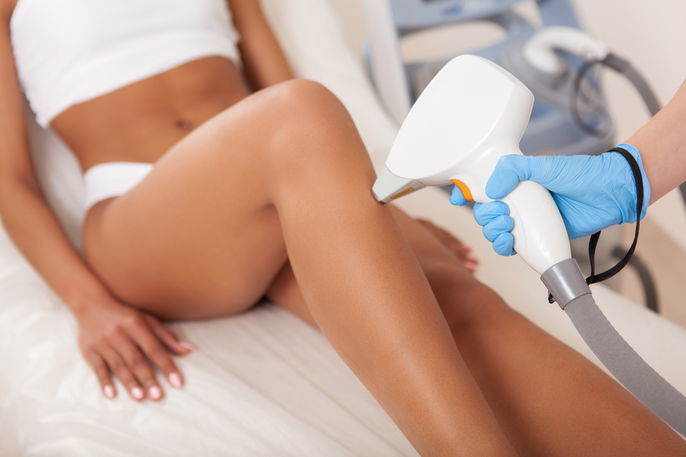
4. Laser hair removal
In general, the steps for laser hair removal are:
- Wash and clean the pubic area, then dry it well with a clean, dry towel
- Clean the bikini area with 70% alcohol. Do not apply alcohol to mucous membranes or inside the vagina
- Remove hair from the pubic area with a new razor or hair removal cream
- Use the laser device to remove the hair
- Apply ice to the area to cool the skin immediately after each laser pulse
Laser pubic hair removal uses wavelengths that generate heat and permanently damage the hair root. It can be performed by a dermatologist or esthetician.
There are different types of laser hair removal, including diode, Nd:YAG, and alexandrite lasers. Some at-home hair removal devices use intense pulsed light (IPL) technology.
Precautions: It is important to avoid sun exposure or artificial tanning for about 10 to 15 days before the procedure. It is also recommended to avoid waxing between laser hair removal sessions.
Pubic hair removal in men
Pubic hair removal in men may be done for cosmetic reasons. It may also help reduce discomfort caused by hair rubbing against clothing.
It can be done with wax, a razor, hair removal cream, or laser treatments. Aftercare is generally the same as the care recommended for women.