


Prostatitis is an inflammation of the prostate, a gland in the male reproductive system. It can cause symptoms such as pain or burning during urinatation and discomfort in the penis, scrotum, testicles, or perineum.
This condition can be acute or chronic, and it’s most often caused by a bacterial infection. The bacteria most commonly responsible are Escherichia coli, Klebsiella., and Proteus.
If you experience symptoms of prostatitis, it’s important to see a urologist to determine the cause and begin appropriate treatment, which may include antibiotics, pain relievers, and anti-inflammatory medications.
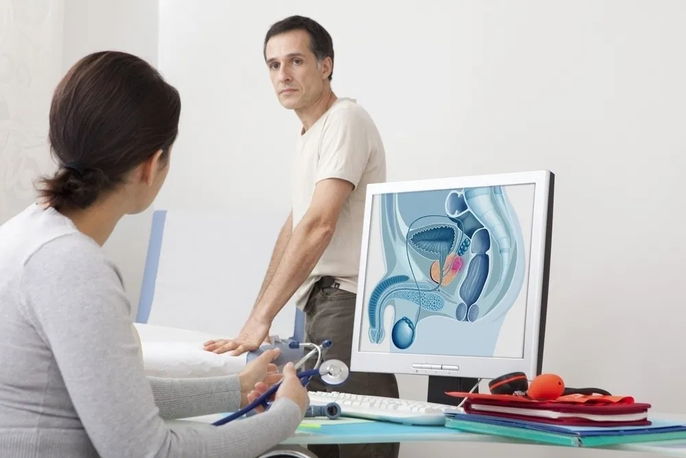
Prostatitis symptoms
The main symptoms of prostatitis include:
-
Weak urine stream;
-
Pain or burning when urinating;
-
Difficulty urinating;
-
Frequent urge to urinate;
-
Pain during sex or ejaculation;
-
Pain in the penis, scrotum, testicles, or perineum;
-
Fever and chills;
-
Blood in the urine and/or semen.
Because many of these symptoms can also occur with urinary tract infections in men, it’s important to consult a urologist for proper evaluation and diagnosis.
Also recommended: Top 8 UTI Symptoms in Men (plus How It’s Diagnosed and Treated) tuasaude.com/en/urinary-tract-infection-in-menSymptom checker
The symptoms of prostatitis are similar to those of other prostate conditions. Check the symptoms you’re experiencing to find out your likelihood of having a prostate problem:
This symptom checker is for informational purposes only and should not replace an appointment with a healthcare provider.
Confirming a diagnosis
A urologist can diagnose prostatitis based on symptoms and a physical exam, which usually includes a gentle digital rectal exam to check for signs of inflammation or other abnormalities in the prostate.
To confirm the diagnosis, a doctor may order tests such as:
-
Complete blood count (CBC);
-
Urinalysis;
-
Urine culture to guide antibiotic selection;
-
Uroflowmetry;
-
Semen or prostate secretion cultures.
A prostate-specific antigen (PSA) test is not routinely recommended during acute prostatitis, as PSA levels can be temporarily elevated. If obtained incidentally, it should be rechecked after recovery.
In some cases, imaging tests such as ultrasound, MRI, or a biopsy of the prostate may also be recommended, particularly if symptoms persist or an abscess is suspected.
Different types
Depending on the cause, duration, and onset of symptoms, prostatitis can be classified into several types:
- Acute bacterial prostatitis (type I): Develops suddenly with generalized symptoms and can sometimes be mistaken for a urinary tract infection;
- Chronic bacterial prostatitis (type II): Occurs when bacteria remain in the urinary tract, leading to ongoing infection and inflammation with symptoms that develop gradually;
- Chronic pelvic pain syndrome (type IIIA), or chronic inflammatory prostatitis: The most common type, causing persistent pelvic pain that can last for months or even years;
- Non-inflammatory chronic prostatitis, or prostatodynia (type IIIB): Characterized by ongoing pelvic pain without clear signs of infection or inflammation on clinical exams;
- Asymptomatic inflammatory prostatitis (type IV): The prostate is inflamed but does not cause noticeable symptoms.
Although acute and chronic prostatitis have similar symptoms, acute prostatitis can become chronic if symptoms last for more than three months.
Possible causes
Prostatitis is most often caused by infection with bacteria such as Escherichia coli (E. coli), Klebsiella, Proteus, Enterobacter, Serratia, or Pseudomonas.
It can also develop from sexually transmitted infections (STIs), including chlamydia and gonorrhea.
In some cases, prostatitis may result from autoimmune disorders, stress, or medical procedures such as a prostate biopsy, cystoscopy, or urinary catheterization.
Prostatitis treatment
Treatment for prostatitis depends on the cause and type of the condition and may include:
-
Antibiotics, such as ciprofloxacin, levofloxacin, or doxycycline, prescribed by a urologist for bacterial prostatitis (acute or chronic). These medications should be chosen based on urine culture results whenever possible;
-
Pain relievers and nonsteroidal anti-inflammatory drugs (NSAIDs) like ibuprofen, to help relieve pain and reduce fever;
-
Alpha-blockers, such as tamsulosin, to relax the muscles of the prostate and bladder and improve urine flow;
-
Surgery, in cases where a prostate abscess is present;
-
Hospitalization, for intravenous antibiotic treatment in severe cases of prostatitis.
Your doctor may also recommend pelvic floor physical therapy, and in cases where stress contributes to symptoms, antidepressants, anti-anxiety medications, or cognitive behavioral therapy may be beneficial.
Also recommended: tuasaude.com/enCommon questions
The following are some frequently asked questions about prostatitis:
1. Can prostatitis be transmitted to a partner?
Prostatitis itself is not contagious. However, acute or chronic bacterial prostatitis related to a sexually transmitted infection (such as chlamydia or gonorrhea) can be transmitted to a partner through sexual contact.
In these cases, it’s important to use condoms and avoid sexual activity until treatment is completed and the infection has cleared, following CDC guidelines for STI management.
Chronic nonbacterial prostatitis and asymptomatic inflammatory prostatitis are not contagious.
2. What is the best antibiotic for prostatitis?
The best antibiotic for prostatitis depends on the type and cause of the infection. For acute and chronic bacterial prostatitis, fluoroquinolones like ciprofloxacin and levofloxacin are usually the first choice.
If prostatitis is not bacterial, antibiotics are not needed. Always follow your doctor’s recommendations for the correct medication and duration of treatment, as incomplete or incorrect treatment can lead to complications.
3. Can prostatitis heal on its own?
Prostatitis rarely goes away without treatment. In most cases, medical care is needed to relieve symptoms and treat the underlying cause.