


Proprioception is your body’s ability to sense where it is in space so you can stay balanced while standing still, moving, or exerting effort. It helps you keep your posture and control your position without having to look.
It also lets you make precise movements automatically, like walking without thinking about each step. Another example is being able to touch your nose with your eyes closed.
This happens because you have proprioceptors, tiny sensory cells in your muscles, tendons, and joints. They send signals to your central nervous system so you can maintain the right body position, whether you’re still or in motion.
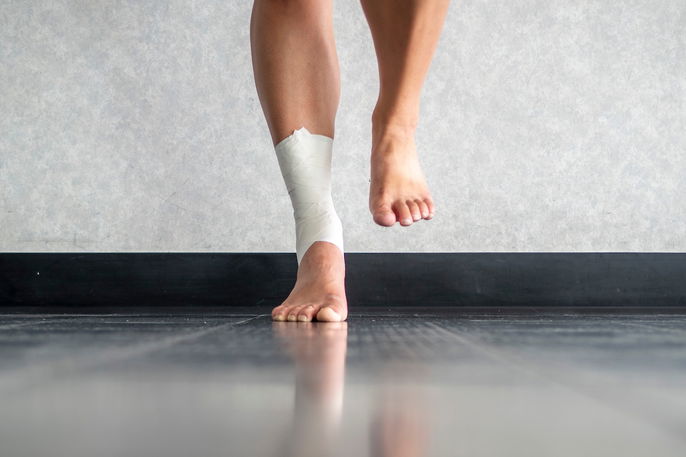
What is proprioception?
Proprioception is important for:
-
Balance and coordination, which are essential for maintaining body stability;
-
Body awareness, helping you tell where different parts of your body are even without looking;
-
Perception of effort, allowing you to sense how much force is needed to perform movements;
-
Performing complex skills, such as riding a bike, playing the piano, or participating in sports.
Proprioception can be improved at any age and plays an important role in preventing falls and injuries. According to the World Health Organization (WHO), gait, balance, and functional training are key strategies to reduce fall risk in older adults.
This supports the inclusion of proprioceptive exercises in both prevention and rehabilitation programs, especially after trauma or orthopedic injury.
Proprioception vs kinesthesia
Proprioception and kinesthesia are connected because both help the body detect movement and position. Proprioception is broader and includes body awareness, balance, strength, and joint position.
Kinesthesia, on the other hand, focuses more on the sensation of movement itself. Together, they support controlled and safe movement in both everyday tasks and more complex activities.
Alterations in proprioception
Changes in proprioception can happen with aging, which is one of the main causes. Over time, natural wear and tear in the joints, muscles, nerves, and brain can affect balance and coordination.
Other possible causes include alcohol intoxication; joint problems such as sprains or arthritis; neurological conditions like Parkinson’s disease or multiple sclerosis; limb amputations; joint replacement surgery (arthroplasty); autism spectrum disorder; and sensory processing disorders.
In addition, events such as traumatic brain injury or stroke, inner ear infections, vestibular disorders, and difficulty processing sensory input in the nervous system can also affect proprioception.
Proprioception exercises
Some of the most commonly used proprioception exercises include:
-
Walk in a straight line for 10 meters (33 feet), placing one foot directly in front of the other;
-
Walk 10 meters (33 feet) on different surfaces, such as the floor, a mat, or a pillow;
-
Walk in a straight line using only your toes, heels, the outer edge, or the inner edge of your foot, alternating;
-
Stand on one foot and pass a ball behind you, rotating only your torso;
-
Do squats with only one foot on the ground, arms extended forward, and then repeat with your eyes closed;
-
Stand on a rounded surface, such as a BOSU balance trainer or a wobble board;
-
Stand on one foot on an unstable surface and draw a circle in the air with the other foot;
-
Jump on a trampoline, lifting one knee at a time;
-
Stand on a wobble board, close your eyes, and maintain your balance;
-
While on an unstable surface, throw a ball with the therapist without losing balance.
Proprioception exercises are recommended for people of all ages, especially older adults, because they help maintain independence and reduce the risk of falls, according to the Centers for Disease Control and Prevention (CDC).
Also recommended: Exercise for Seniors: Improving Strength, Balance & Overall Health tuasaude.com/en/exercise-for-seniorsIn addition, proprioception exercises should be guided by a physical therapist or certified fitness professional, who can tailor the training to each person’s needs, whether for prevention, rehabilitation, or improved motor performance.