


Powassan virus is a rare infection caused by a virus that can be spread to humans through the bite of an infected tick. It can affect the brain and nervous system in some cases, especially when it causes encephalitis or meningitis.
Many people with Powassan virus do not develop symptoms. When symptoms do appear, they can range from fever, headache and vomiting to confusion, seizures, weakness and difficulty speaking.
There is no specific medicine that cures Powassan virus. Treatment focuses on relieving symptoms, and severe cases may require hospital care, especially if there are signs of brain or spinal cord inflammation.
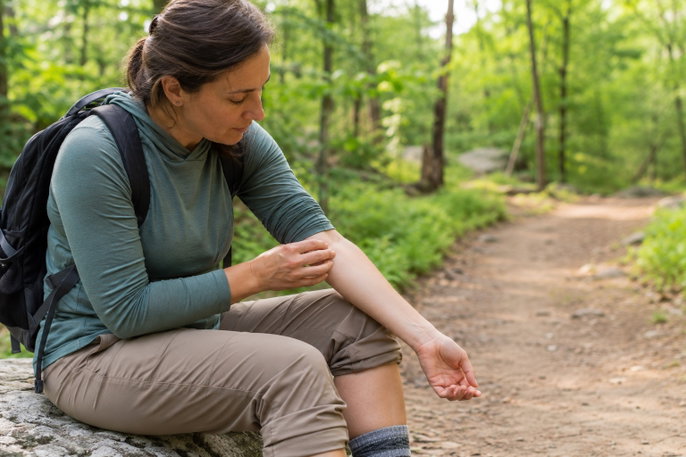
Main symptoms
Common symptoms of Powassan virus include:
-
Fever
-
Headache
-
Vomiting
-
Weakness
-
Confusion
-
Loss of coordination
-
Difficulty speaking
-
Seizures
-
Memory problems
-
Meningitis
-
Encephalitis
The main symptoms of Powassan virus can be mild at first, but some people may develop serious nervous system symptoms.
Symptoms usually appear within 1 week to 1 month after a bite from an infected tick. Severe infection can lead to long-term neurologic problems, such as weakness, headaches, memory problems or muscle wasting.
How it is transmitted
Powassan virus is transmitted through the bite of an infected tick. In the US, it is mainly linked to blacklegged ticks, also known as deer ticks, which can also spread other tick-borne infections.
The virus is not usually spread from person to person through casual contact. Infection happens when a tick carrying the virus bites a person and passes the virus into the bloodstream.
Powassan virus can be transmitted faster than some other tick-borne diseases. This means infection may occur even if the tick is attached for a short time, which makes tick prevention and early tick removal important.
Who is most at risk
Powassan virus is more likely to occur in people who live in or visit areas where infected ticks are found. In the US, cases are more common in parts of the Northeast, Great Lakes region and other wooded or brushy areas where blacklegged ticks live.
Risk is higher during warmer months, when ticks are more active and people are more likely to spend time outdoors. Activities such as hiking, camping, hunting, gardening or walking through tall grass can increase the chance of tick exposure.
People with weakened immune systems and older adults may have a higher risk of severe disease. However, serious illness can occur in otherwise healthy people as well.
Diagnosis
Powassan virus is diagnosed by a doctor based on symptoms, recent tick exposure, travel to an area where the virus is found and laboratory testing. The diagnosis may be suspected when a person has fever or neurologic symptoms after spending time in a tick habitat.
Blood or cerebrospinal fluid tests may be ordered to look for antibodies against Powassan virus. Cerebrospinal fluid is the fluid that surrounds the brain and spinal cord, and it may show signs of inflammation in people with meningitis or encephalitis.
Other tests, such as brain imaging, may be used when there are severe neurologic symptoms. These tests help doctors rule out other causes of brain inflammation and assess how much the nervous system has been affected.
Treatment
There is no specific antiviral treatment for Powassan virus. Treatment is supportive, which means it focuses on controlling symptoms and helping the body recover.
Supportive care
Mild cases may be managed with rest, fluids and medicines to help reduce fever or pain, when recommended by a doctor. People with mild symptoms should still be monitored because the infection can become more serious.
Hospital care
Severe cases may require hospital treatment. This may include intravenous fluids, breathing support and medicines to control seizures or reduce swelling in the brain.
People with encephalitis, meningitis, confusion, weakness, seizures or difficulty speaking usually need urgent medical evaluation. Some people may need rehabilitation after the infection if they have lasting weakness, speech problems, memory issues or coordination problems.
Prevention
There is no vaccine to prevent Powassan virus in humans. The best prevention is avoiding tick bites, especially in wooded, grassy or brushy areas.
Ways to reduce the risk of tick bites include:
-
Using an EPA-registered insect repellent
-
Wearing long sleeves and long pants when in tick areas
-
Tucking pants into socks when walking through tall grass or wooded areas
-
Treating clothing and gear with permethrin
-
Staying in the center of trails
-
Avoiding tall grass and leaf litter when possible
-
Checking the body for ticks after spending time outdoors
-
Showering soon after being outdoors
-
Checking pets and outdoor gear for ticks
-
Removing attached ticks as soon as possible
Tick checks should include hidden areas, such as the scalp, behind the ears, under the arms, around the waist, behind the knees and between the legs. Removing a tick quickly and correctly can help reduce the risk of infection.
When to see a doctor
A doctor should be consulted if symptoms such as fever, headache, vomiting or weakness appear after a tick bite or after spending time in a tick area. Medical evaluation is especially important if symptoms worsen or do not improve.
Emergency care is recommended for confusion, seizures, difficulty speaking, loss of coordination, severe weakness, stiff neck or signs of brain inflammation. These symptoms may indicate severe Powassan virus disease and may require hospital treatment.