


Postpartum depression is a mental health disorder that can affect women during pregnancy, shortly after their baby is born, or up to 1 year after giving birth. It can cause symptoms such as persistent sadness, excessive crying, difficulty bonding with the baby, and feelings of guilt.
This type of depression can also affect fathers or other partners. Factors that may contribute to postpartum depression include pressure related to caring for the baby, depression before pregnancy, sleep deprivation, and stress during pregnancy.
Postpartum depression is treatable, and professional support can help manage symptoms. Treatment may involve psychotherapy, physical activity, and, in some cases, medication prescribed by a doctor.
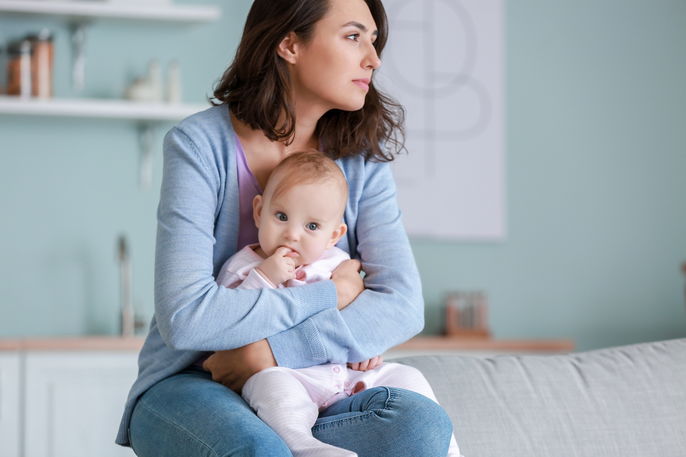
Postpartum depression symptoms
The main symptoms of postpartum depression are:
-
Constant sadness
-
Excessive crying
-
Mood changes
-
Feelings of guilt
-
Low self-esteem
-
Excessive tiredness
-
Difficulty bonding with the baby
-
Fear of not being a good mother
-
Irritability
-
Loss of appetite
-
Feelings of shame
-
Anxiety
-
Loss of interest or pleasure in activities that were previously enjoyable
-
Thoughts of harming the baby or oneself
-
Suicidal thoughts
-
Insomnia
The signs and symptoms of postpartum depression may appear shortly after childbirth, up to one year after the baby is born, or even during pregnancy.
During the first few days after childbirth, many women may experience anxiety, insomnia, feelings of emptiness, or sadness. These temporary emotional changes are commonly known as the baby blues.
However, when these symptoms continue for more than 2 weeks, they may be a sign of postpartum depression. A psychologist or psychiatrist should be consulted to evaluate the symptoms and recommend the most appropriate treatment.
How long does postpartum depression last?
Postpartum depression can begin shortly after the baby is born or up to 1 year after childbirth. If it is not properly diagnosed and treated, it may last from several weeks to several months.
Postpartum depression in men or other partners
Men and other partners can also experience postpartum depression. Symptoms may begin before childbirth or during the baby's first year of life and may include irritability, sadness, negative thoughts, avoiding social interaction, frequent or persistent crying, loss of appetite, and anxiety.
Symptoms of postpartum depression in men or other partners may be related to the mother's attention being focused on the baby, which may leave the partner feeling overlooked. Internal pressure related to finances and career responsibilities, such as wanting to provide a good quality of life for the baby and family, may also contribute.
For this reason, men or other partners who experience symptoms of postpartum depression should also consult a psychologist or psychiatrist to begin the most appropriate treatment.
How the diagnosis is made
To diagnose postpartum depression, a psychiatrist or OB-GYN generally evaluates the duration and severity of the person's signs and symptoms. The Edinburgh Postnatal Depression Scale (EPDS) may also be used to identify symptoms of postpartum depression.
The doctor may also order blood tests to check for hormonal changes or thyroid problems, for example.
Causes of postpartum depression
Several physical and emotional factors may contribute to postpartum depression, including hormonal changes, depression before pregnancy, stress during pregnancy, and sleep deprivation during pregnancy.
Difficulty breastfeeding, lack of family support, an unplanned pregnancy, relationship problems, domestic violence, and financial problems may also contribute to the development of postpartum depression.
Treatment options
Treatment for postpartum depression should be carried out under the guidance of a psychiatrist and/or psychologist. It may involve psychotherapy, medication, exercise, and a healthy diet, depending on the type and severity of symptoms.
Some treatment options for postpartum depression include:
1. Psychotherapy
Psychotherapy can help mothers, fathers, or other partners manage their emotions and feelings in healthier and more constructive ways. It may help reduce symptoms such as irritability, anxiety, and stress.
Psychotherapy should be provided by a psychologist or psychiatrist and may involve individual or group sessions that generally last 45 to 60 minutes.
2. Antidepressant medications
Antidepressant medications should only be used under a doctor's supervision and may be prescribed together with psychotherapy. Selective serotonin reuptake inhibitors (SSRIs) are generally the first-line medications for postpartum depression. Sertraline and escitalopram are commonly recommended when starting treatment in someone who has not previously used an antidepressant.
Zuranolone may also be prescribed for postpartum depression in adults. This medication is specifically FDA-approved for postpartum depression and is taken once daily for 14 days. It can be used alone or together with an oral antidepressant.
3. Physical activity
Doing physical activities such as walking, running, and swimming 3 to 5 times per week can help manage depression because exercise stimulates processes in the brain involved in mood, pleasure, and physical and mental well-being.
Physical activity may also help regulate cortisol and adrenaline levels in the body, which are hormones associated with stress, irritability, and anxiety.
4. Balanced diet
A balanced diet may also support overall health and well-being during treatment for depression. Foods such as bananas, avocados, almonds, and eggs contain tryptophan, an amino acid the body uses to produce serotonin, a neurotransmitter involved in regulating sleep and mood.
Omega-3 supplementation may also be recommended by a doctor as part of nutritional support for postpartum depression.