


Pneumonia in babies is a serious lung infection that needs to be identified quickly to avoid complications. Recognizing the signs early is essential to ensure proper treatment.
The symptoms of pneumonia in babies can look similar to the flu, but they usually last longer and tend to get worse. The most common signs include a fever above 100.4 °F (38 °C), coughing with mucus, easy crying, and fast or labored breathing.
Treatment for pneumonia in babies should always be directed by a pediatrician and may involve keeping the baby hydrated, using saline nebulizations to loosen mucus, and giving fever-reducing medicine such as acetaminophen.
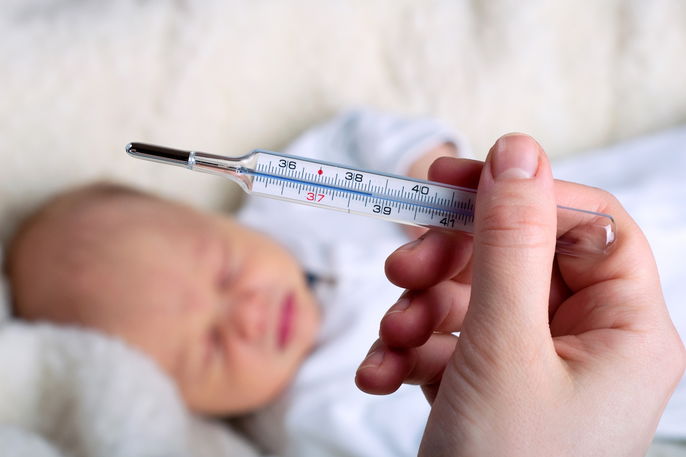
Symptoms of pneumonia in babies
The main symptoms of pneumonia in babies include:
-
Fever above 100.4 °F (38 °C) that does not come down easily
-
Short, rapid, or labored breathing
-
Strong cough with mucus
-
Easy crying or irritability
-
Difficulty sleeping
-
Eye discharge or crusting
-
Vomiting and diarrhea
-
Visible rib movements while breathing
In more severe cases, a baby with pneumonia may develop bluish lips and fingernails due to low oxygen in the blood.
Confirming a diagnosis
Pediatricians diagnose pneumonia in babies by assessing symptoms, listening to the lungs with a stethoscope, and, in some cases, ordering a chest X-ray.
In very young babies under three months old, blood tests and other lab tests may be requested to help identify the cause of the infection, since it can be harder to distinguish pneumonia from other illnesses at this age.
Main causes
The most common causes of pneumonia in babies are:
-
Viral pneumonia, caused by viruses such as respiratory syncytial virus (RSV), influenza, parainfluenza, adenovirus, and coronavirus
-
Bacterial pneumonia, caused by bacteria such as Streptococcus pneumoniae, Staphylococcus aureus, and Mycoplasma pneumoniae
-
Aspiration pneumonia, which can happen when a baby inhales food, liquids, or vomit, leading to lung inflammation
Certain factors increase the risk of pneumonia in babies, including being under six months old, being born prematurely, having congenital conditions, having a weakened immune system, or recently undergoing surgery or trauma.
Treatment for pneumonia in babies
Treatment for pneumonia in babies depends on the cause of the infection, the severity of symptoms, and the baby’s overall health.
When pneumonia is caused by bacteria, doctors typically prescribe antibiotics such as amoxicillin. If pneumonia is due to the flu virus, an antiviral like oseltamivir may be recommended to help prevent complications.
Other important measures include keeping the baby well hydrated with breast milk, formula, or water (if approved by the pediatrician), making sure the baby rests, and using acetaminophen to control fever.
Supportive care may also involve dressing the baby in comfortable, weather-appropriate clothing and giving 1 to 2 saline nebulizations per day to help clear mucus.
Cough syrups are generally not recommended, since they can interfere with mucus clearance. However, they may be prescribed by a doctor if coughing makes it difficult for the baby to sleep or feed.
In more serious cases, hospitalization may be necessary. Hospital treatment may include intravenous antibiotics, IV fluids, oxygen therapy, suctioning of secretions, and medications to support breathing.