


Pistachios are a type of nut that provide many health benefits, such as helping control diabetes, supporting weight loss, lowering blood pressure, and preventing certain diseases like heart attack, atherosclerosis, and cancer.
These pistachio benefits come from their high amounts of antioxidants and their richness in protein, fiber, healthy fats, minerals, and vitamins.
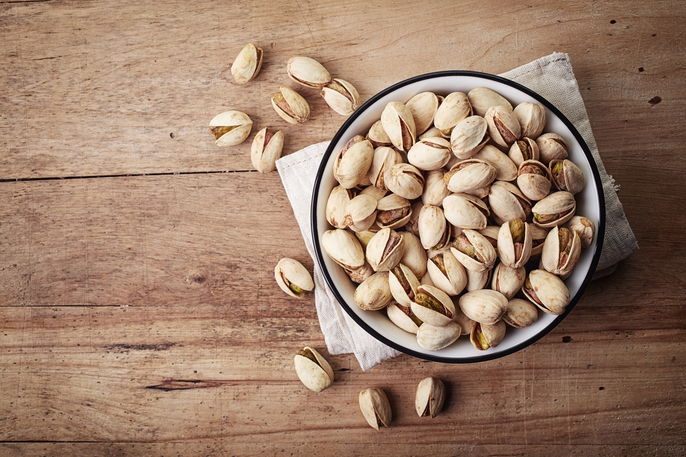
Pistachios have a hard shell with a greenish-yellow nut inside, with a slightly sweet and salty flavor that resembles peanuts and cashews. They can be eaten raw or roasted as a snack and are also used in different recipes such as cakes, ice cream, salads, or desserts.
Health benefits
The main pistachio benefits for health include:
1. Reducing cholesterol and triglycerides
Pistachios contain large amounts of healthy fats, fiber, and antioxidants like polyphenols and phytosterols, which help lower bad cholesterol (LDL) and triglycerides in the blood.
They also help increase good cholesterol (HDL), which protects against cardiovascular diseases like atherosclerosis, stroke, and heart attack.
2. Improving cognitive function
Because of their antioxidant and anti-inflammatory properties, pistachios help prevent memory loss and cognitive decline, which are common with aging.
They may also reduce the risk of neurodegenerative diseases such as Alzheimer’s disease and dementia.
3. Supporting gut health
Pistachios are rich in fiber, which increases stool bulk and promotes bowel movements. This helps keep the gut healthy and prevents constipation, especially when combined with adequate water intake.
4. Helping control diabetes
Pistachios contain flavonoids, which are antioxidants that help regulate insulin activity and maintain stable blood sugar levels, supporting diabetes control.
They are also rich in healthy fats, fiber, and protein, which slow down digestion and help prevent spikes in blood sugar.
5. Supporting weight loss
Moderate consumption of pistachios, as part of a balanced diet, can support weight management.
This happens because pistachios are rich in fiber, protein, and healthy fats, which promote satiety and reduce overeating.
6. Balancing blood pressure
Pistachios help regulate blood pressure because they have anti-inflammatory effects and are rich in potassium and magnesium. These minerals promote the elimination of excess sodium from the body and improve blood circulation.
In addition, pistachios contain L-arginine, an amino acid involved in the production of nitric oxide, which improves blood vessel health and increases blood flow.
7. Supporting muscle growth
Pistachios are a good source of protein, making them a healthy option for people who exercise regularly and want to build muscle mass. They can be consumed before or after workouts.
8. Preventing anemia
Pistachios contain iron and are rich in copper, a mineral that is essential for the production of red blood cells and the absorption of iron. This helps prevent anemia.
9. Supporting eye health
Pistachios provide lutein and zeaxanthin, carotenoids that protect the eyes from free radical damage and ultraviolet (UV) rays.
These compounds help reduce the risk of cataracts and age-related macular degeneration, which causes blurred or darkened central vision.
10. Lowering cancer risk
Because they are rich in antioxidants such as lutein, zeaxanthin, and anthocyanins, pistachios help neutralize free radicals, protecting healthy cells and reducing the risk of cancer.
Are pistachios a fruit?
Pistachios are not considered a fruit because they do not have a sweet or acidic taste. Botanically, they are classified as seeds, similar to other nuts like almonds, walnuts, and hazelnuts.
Nutritional information table
Nutritional values for 100 g (about 51 kernels) of raw and roasted pistachios:
To fully benefit from pistachios, it is also important to maintain a balanced diet and practice regular physical activity.
How to consume pistachios
Pistachios can be eaten raw or roasted, alone or in recipes such as cakes, ice creams, puddings, salads, sauces, breads, or pasta dishes.
The recommended daily intake is around 30 g of pistachios. However, the right amount may vary depending on age, sex, health condition, and tolerance.
Healthy recipes with pistachios
1. Pistachio energy bites
Ingredients:
-
2 tablespoons powdered sweetener
-
2 tablespoons coconut oil
-
1 cup whole pistachios
-
½ cup crushed pistachios
Preparation:
Place all ingredients, except the crushed pistachios, into a food processor and blend until a uniform dough forms. Roll into small balls, coat with the crushed pistachios, and serve.
2. Pistachio cake
Ingredients:
-
150 g pistachio flour
-
120 ml plant-based milk (such as almond, coconut, or rice)
-
60 g oat flour
-
3 eggs
-
3 tablespoons powdered sweetener for baking
-
1 teaspoon baking powder
Preparation:
Preheat oven to 350 °F (180 °C). In a bowl, combine pistachio flour, oat flour, and sweetener. Add eggs and plant-based milk and mix well until smooth. Stir in baking powder gently. Transfer the batter to a greased pan and bake for about 40 minutes. Let cool slightly before serving.
3. Pistachio salad
Ingredients:
-
30 shelled pistachios
-
2 tomatoes
-
½ cucumber
-
½ green bell pepper
-
½ red bell pepper
-
½ onion
-
10 black olives
-
100 g ricotta cheese
-
2 tablespoons olive oil
-
Vinegar and salt to taste
Preparation:
Wash all vegetables. Slice the cucumber, peppers, tomatoes, and onion thinly. Cut ricotta into cubes and add to the bowl with the vegetables. Add olives and pistachios, season with olive oil, vinegar, and salt, and serve.