


A pilonidal cyst is a lump that develops near the tailbone, at the base of the spine just above the buttocks. It occurs when hair and dead skin cells build up in the area and, in some cases, it may already be present at birth.
Often, a pilonidal cyst does not cause any symptoms. However, in some people, especially young men, the cyst can become infected, leading to pus buildup. This can cause swelling and pain, particularly when sitting.
Although it is not usually a serious condition, an infected pilonidal cyst should be treated as soon as possible to relieve discomfort and prevent the infection from getting worse. Treatment typically involves drainage performed in a hospital.
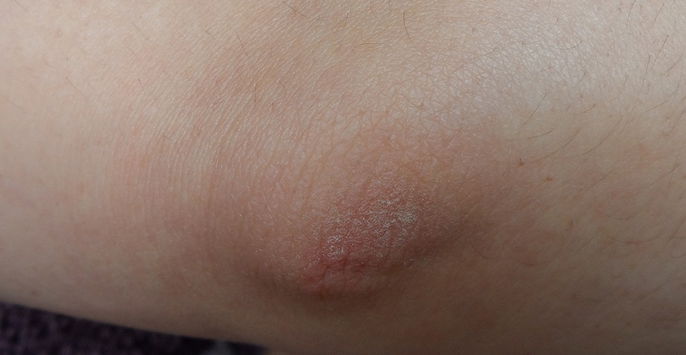
Main symptoms
The main symptoms of a pilonidal cyst are:
-
Small lump near the tailbone
-
Pain in the area that may get worse over time
-
Swelling and redness of the skin
-
Small openings or pits in the area
-
Drainage of pus or foul-smelling fluid
These symptoms generally appear when the cyst becomes infected, which is why medical evaluation is important.
Although most pilonidal cysts develop near the tailbone, they can also appear in other areas of the body, such as the belly button, armpits, or scalp, with the same types of symptoms.
Confirming a diagnosis
A pilonidal cyst is usually diagnosed by a dermatologist through a physical exam and evaluation of symptoms, which are often enough to confirm the infection.
Common causes
A pilonidal cyst can form at birth if a small sac develops near the tailbone during embryonic growth. These congenital cysts are typically filled with fluid and skin debris.
A pilonidal cyst can also appear later in life due to an ingrown hair, which causes inflammation under the skin.
They are more common in young men and tend to recur. People who spend long periods sitting are also at higher risk of developing a pilonidal cyst.
Treatment options
The main treatment for a pilonidal cyst is a minor drainage procedure, in which pus and fluid are removed through a small incision in the skin. Antibiotics may also be prescribed to eliminate bacteria and help prevent the cyst from filling with pus again.
While drainage is usually effective, some people may experience recurrence. In these cases, surgery may be recommended. Surgical treatment involves opening the cyst, scraping its inner lining, removing hairs, and cauterizing the wound. The wound is typically left open for 1 to 2 months to allow for proper healing.
During this time, daily wound care is usually needed at the hospital or a health clinic to prevent infection and support healing.
Wound care
Wound care for a pilonidal cyst should be carried out daily by a nurse or other healthcare professional at a hospital or clinic.
The wound is generally cleaned with saline solution and then filled and covered with sterile gauze. This promotes even healing from the inside out, lowering the risk of leaving a pocket that could trap hair and skin debris again. When the wound is nearly closed, gauze is usually no longer necessary.
Recovery care
During recovery, while daily wound care is being performed, certain precautions can help promote healing, reduce the risk of reinfection, and relieve discomfort:
-
Keep the wound clean and dry at all times
-
Wear loose, comfortable clothing
-
Avoid sitting for long periods directly on the wound
-
Avoid strenuous physical activity
-
Monitor the area around the wound for warning signs such as intense redness, swelling, or pus
If medication is prescribed to help manage symptoms, it is important to follow the doctor’s instructions carefully regarding dosage and timing.