


Periorbital dermatitis is a skin condition that affects the area around the eyes, causing irritation and inflammation. It is often linked to allergic reactions, skin sensitivity, or contact with certain substances rather than an infection.
Common symptoms include redness, itching, and dryness of the eyelids or surrounding skin. The condition can be persistent or come and go, especially when triggers are not identified or avoided.
Treatment usually focuses on avoiding irritants and using gentle medications to reduce inflammation. Medical evaluation may be needed to confirm the diagnosis and rule out other skin or eye conditions.
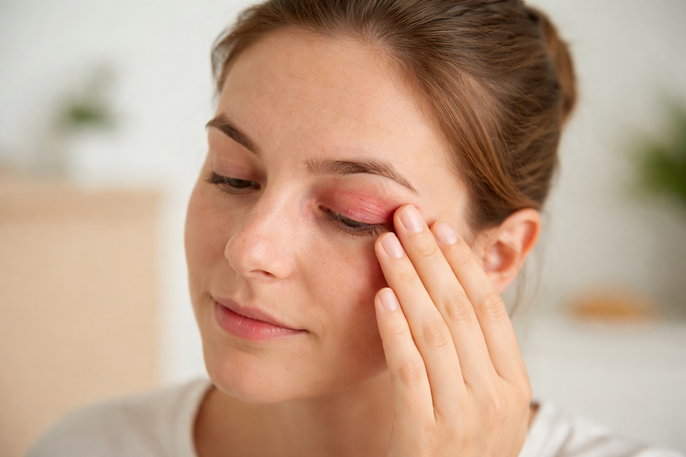
Main symptoms
Periorbital dermatitis usually affects the delicate skin around the eyes and may involve one or both eyelids.
-
Redness around the eyes
-
Dry, flaky, or scaly skin
-
Itching or burning sensation
-
Swelling of the eyelids
-
Small bumps or rash-like patches
These symptoms may worsen with exposure to triggers and can vary in intensity depending on the underlying cause.
Causes
Periorbital dermatitis is most commonly caused by contact dermatitis, which occurs when the skin reacts to substances it has been exposed to. These triggers often include cosmetics, skincare products, eye drops, fragrances, preservatives, and even metals found in makeup tools. Because the skin around the eyes is very thin and sensitive, it is more likely to react to these substances.
Atopic dermatitis is another frequent cause, especially in people who already have eczema or sensitive skin. In these cases, the skin barrier is weaker, which makes it easier for irritants and allergens to trigger inflammation around the eyes.
Irritant exposure can also lead to periorbital dermatitis. Repeated use of harsh cleansers, soaps, or exposure to environmental pollutants can damage the skin over time and cause dryness, redness, and irritation in the eye area.
Airborne allergens such as pollen, dust mites, or animal dander may also contribute to this condition. These particles can settle on the eyelids and cause a reaction, even without direct contact with the source.
In some cases, other skin conditions such as rosacea, psoriasis, or allergic conjunctivitis can affect the area around the eyes and resemble periorbital dermatitis.
Diagnosis
Diagnosis is usually based on a physical exam and a detailed medical history. Doctors assess the appearance of the skin, the location of the rash, and any possible exposure to irritants or allergens.
Patch testing may be recommended to identify specific allergens, especially when contact dermatitis is suspected. This helps determine which substances should be avoided.
In some cases, additional tests may be needed to rule out infections or other skin conditions that can look similar.
Treatment options
Treatment for periorbital dermatitis focuses on reducing inflammation, relieving symptoms, and avoiding triggers that can worsen the condition.
Avoiding triggers
The most important step in treatment is identifying and avoiding the substance that is causing the reaction. This may involve stopping the use of certain cosmetics, skincare products, or medications that come into contact with the eye area.
Topical treatments
Low-potency topical corticosteroids may be used for short periods to reduce inflammation, although they should be applied with caution due to the sensitivity of the skin around the eyes. Topical calcineurin inhibitors, such as tacrolimus or pimecrolimus, are often preferred because they help control inflammation without causing skin thinning.
Medications
In more severe or persistent cases, oral antibiotics may be prescribed, especially when the condition resembles perioral dermatitis. Other anti-inflammatory medications may also be considered depending on the underlying cause.
Skin care support
Using gentle, fragrance-free moisturizers can help restore the skin barrier and reduce irritation. A simple skincare routine with minimal products is usually recommended to prevent further sensitivity.
Prevention
Preventing periorbital dermatitis mainly involves protecting the sensitive skin around the eyes.
-
Use fragrance-free and hypoallergenic skincare products
-
Avoid applying unnecessary products near the eyes
-
Wash hands before touching the eye area
-
Be cautious with new cosmetics or eye products
-
Avoid long-term use of topical steroids around the eyes unless prescribed
Simple skincare routines and careful product selection can help reduce the risk of flare-ups.