


- Pemphigus is a rare autoimmune disease that causes fragile blisters on the skin or mucous membranes.
- Blisters can break open easily and form painful sores that may affect eating or swallowing.
- Treatment is guided by a dermatologist and may include corticosteroids, immunosuppressants, or rituximab.
Pemphigus is a rare autoimmune disease that can affect the skin or mucous membranes, such as the mouth, nose, eyes, throat, or genitals. It can cause small, soft blisters that do not itch and break open easily.
These blisters can lead to sores or ulcers that do not heal well. They may also cause stinging, burning, and pain.
There are several types of pemphigus, such as pemphigus vulgaris, bullous pemphigoid, and vegetating pemphigus. The types of pemphigus are classified based on the characteristics of the blisters and the area of the body affected.
Pemphigus is not contagious, and treatment should be guided by a dermatologist. Treatment may include corticosteroids or immunosuppressive medications, for example.
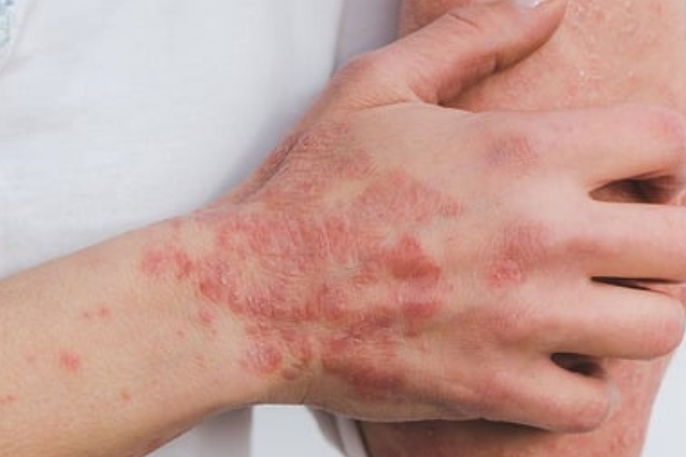
Main symptoms
Although rare, pemphigus can also affect the nails, causing infection, redness, and swelling in the skin around the nail.
According to the NIH Genetic and Rare Diseases Information Center, pemphigus is a rare autoimmune disease that can affect mucous membranes in the mouth, nose, throat, eyes, and genitals.
Pemphigus symptoms vary depending on the area of the body affected. These symptoms can affect the scalp, face, neck, chest, back, or shoulders, as well as mucous membranes, including the eyes, throat, nose, mouth, esophagus, or genitals.
Confirming a diagnosis
Pemphigus vulgaris is typically diagnosed by a dermatologist through evaluation of blisters or sores, medical history, and medication use, along with tests such as skin biopsy and blood tests.
In addition, the doctor may order a biopsy of the blister or sore. This is done by removing a small piece of skin or mucosal tissue to be analyzed under a microscope, which can help confirm the diagnosis and the type of pemphigus.
When the person has throat discomfort, the doctor may also recommend an endoscopy to confirm whether there is esophageal involvement caused by pemphigus.
Main types
Pemphigus can be classified into different types based on the area of the body affected and the characteristics of the lesions. The main types are:
-
Pemphigus vulgaris: This is the most common type, mainly affecting adults between 50 and 60 years old. It starts with blisters in the mouth and then on the skin or mucous membranes, such as the throat, nose, or genitals. The blisters cause pain and may disappear, but they tend to leave dark spots that last for several months;
-
Vegetating pemphigus: This is a form of pemphigus vulgaris that causes thick blisters or sores that look like warts in skin folds, such as the groin or armpits.
-
Bullous pemphigoid: This type affects the skin and can cause firm, deep blisters that do not break open easily on the abdomen, groin, legs, arms, or back. It is more common in older adults.
-
Pemphigus foliaceus: This is the least severe type and is more common in tropical regions. It is characterized by painless blisters that affect the outermost layer of the skin. They usually appear first on the face and scalp, but may spread to the chest and other areas of the body.
-
Pemphigus erythematosus: This is a form of pemphigus foliaceus that causes superficial blisters on the scalp and face, which may be confused with seborrheic dermatitis or lupus erythematosus.
-
Paraneoplastic pemphigus: This is the rarest type, as it is associated with some types of cancer, such as lymphomas or leukemias.
-
Mucous membrane pemphigoid: This is a type of pemphigus that affects the membranes of the eyes, mouth, and throat.
-
Gestational pemphigoid: This is a type of pemphigus characterized by blisters that start around the belly button and can spread throughout the body. It is more common in the second trimester of pregnancy.
Although pemphigus is more common in adults and older adults, it can occur at any age.
Possible causes
Pemphigus is an autoimmune disease in which the immune system reacts against skin or mucosal cells. It attacks and destroys these cells as if they were foreign to the body, leading to symptoms.
Risk factors
Some factors can increase the risk of developing pemphigus, such as:
-
Age, as it is more common between 50 and 60 years old
-
Use of blood pressure medications, such as angiotensin-converting enzyme (ACE) inhibitors like enalapril
-
Use of antibiotics, such as penicillins
-
Autoimmune diseases, such as myasthenia gravis
Pemphigus is not contagious, as it is caused by the person’s own immune system.
However, if the sores or ulcers become infected with bacteria, fungi, or viruses, these microorganisms can be passed to another person through direct contact with the wounds. This can lead to skin irritation or infection.
Treatment options
Treatment for pemphigus should be guided by a dermatologist. The goal is to control symptoms, reduce the formation of blisters and sores, and prevent complications such as malnutrition or widespread infections.
The main treatments that may be recommended by the dermatologist are:
1. Corticosteroids
Corticosteroids may be prescribed to help reduce inflammation and lower immune system activity.
The main corticosteroids that may be recommended are:
-
Oral corticosteroids, such as prednisone or prednisolone, used at high doses in the initial treatment
-
Topical corticosteroids, such as hydrocortisone, to reduce pain and prevent or treat skin infections
The type of corticosteroid and length of treatment should be determined by the doctor.
2. Immunosuppressants
Immunosuppressants, such as azathioprine or mycophenolate, may be prescribed because they reduce immune system activity and help prevent it from attacking healthy cells.
However, by lowering immune function, they can also increase the risk of infections, so they are usually reserved for more severe cases.
3. Monoclonal antibodies
According to the FDA‑approved prescribing information, rituximab is indicated for adults with moderate to severe pemphigus vulgaris. Monoclonal antibodies such as rituximab may be recommended because they help regulate the immune response and reduce its harmful effects on the body.
These medicines are usually used together with corticosteroids or other immunosuppressants as part of the initial treatment for moderate to severe disease.
4. Antibiotics, antifungals, or antivirals
Antibiotics, antifungals, or antivirals may be prescribed when an infection develops in the sores left by the blisters.
5. Pain relievers
The doctor may also recommend other medications, such as pain relievers to reduce pain or anesthetic lozenges to relieve pain and discomfort in the mouth.
If pemphigus was caused by medication use, the doctor may recommend stopping that medication, which may be enough to treat pemphigus.
6. Hospitalization
In more severe situations, such as serious wound infections or malnutrition, a short hospital stay (from a few days to a few weeks) may be needed. During hospitalization, medications can be given directly into a vein, parenteral nutrition can be provided, and infected wounds can be properly treated and monitored.
Duration of treatment
Pemphigus treatment can last several months or years, depending on the person’s body and the type and severity of pemphigus.
During treatment, regular appointments with a dermatologist are needed to make sure the disease is being controlled.
