


Pelvic girdle pain is a musculoskeletal condition that affects the joints connecting the pelvis, especially the sacroiliac joints at the back of the pelvis and the pubic symphysis at the front. It most commonly occurs during pregnancy, but it can also develop after trauma, arthritis, or other types of stress on the pelvic joints.
Pelvic girdle pain may cause discomfort in the lower back, hips, pelvis, or thighs and can make certain movements difficult. Symptoms can range from mild to severe and may interfere with daily activities such as walking, standing, or turning in bed.
Diagnosis is usually based on a clinical evaluation that includes specific physical tests to identify which pelvic joints are involved. Treatment typically focuses on physiotherapy, exercise, supportive devices, and pain management, while prevention strategies may include staying active and practicing proper body mechanics.
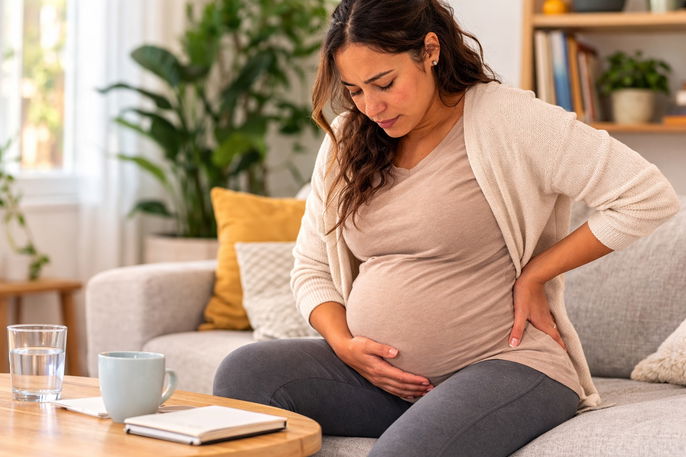
Main symptoms
Pelvic girdle pain commonly causes discomfort around the pelvic joints and nearby areas. Symptoms may develop gradually or begin suddenly, particularly during pregnancy or after physical strain.
Common symptoms include:
-
Pain in the lower back, especially near the sacroiliac joints
-
Pain at the front of the pelvis near the pubic bone
-
Pain that spreads to the hips, groin, buttocks, or thighs
-
Difficulty walking or climbing stairs
-
Pain when turning in bed or standing on one leg
-
Clicking or grinding sensations in the pelvic joints
These symptoms may worsen during activities that place uneven pressure on the pelvis, such as walking long distances or standing for extended periods.
Common causes
Pelvic girdle pain develops when the joints and ligaments that stabilize the pelvis become strained or unstable. Several factors can contribute to this condition.
1- Pregnancy-related changes
During pregnancy, hormonal changes cause the ligaments around the pelvis to become more flexible. This increased joint mobility can reduce stability in the pelvic joints and lead to pelvic girdle pain.
2. Muscle and joint dysfunction
Changes in how the muscles around the lower back, hips, and pelvis function can affect how the pelvis moves and supports body weight. These changes in muscle function may increase stress on the pelvic joints.
3. Previous injury or trauma
Injuries involving the pelvis, hips, or lower back can affect joint alignment and stability, which may increase the risk of developing pelvic girdle pain later on.
4. Degenerative or inflammatory conditions
Arthritis, osteoarthritis, and other degenerative joint conditions can affect the pelvic joints and contribute to chronic pelvic girdle pain.
Confirming a diagnosis
Pelvic girdle pain is usually diagnosed through a clinical evaluation. A healthcare professional will review symptoms and perform specific physical tests to assess pain around the pelvic joints and evaluate how well the pelvis transfers weight.
Imaging tests are generally not required but may sometimes be used to rule out other conditions. Several physical examination techniques can help confirm the diagnosis by reproducing pain when stress is applied to the pelvic joints.
Treatment options
Treatment for pelvic girdle pain focuses on reducing discomfort, improving pelvic stability, and helping individuals return to normal daily activities.
1. Physiotherapy and exercise
Physiotherapy is one of the most common treatments for pelvic girdle pain. Individualized exercise programs can strengthen the muscles that support the pelvis, improve movement patterns, and increase joint stability.
2. Pelvic support devices
Pelvic belts or orthoses may be recommended to provide extra support to the pelvic joints. These devices can help reduce pain during activities such as walking or standing.
3. Education and activity modification
Learning proper posture, body mechanics, and movement techniques can help reduce stress on the pelvis. Adjusting certain activities may also help manage pelvic girdle pain during recovery.
4. Pain management
Pain relief strategies may include rest, physical therapy techniques, and in some cases medications prescribed by a healthcare professional.
Prevention strategies
Pelvic girdle pain cannot always be prevented, but certain strategies may help reduce the risk of developing symptoms.
-
Regular physical activity: Exercise programs that strengthen the core, hip, and pelvic muscles can help support the pelvis and reduce stress on the joints.
-
Proper movement and posture: Maintaining good posture and using proper body mechanics when lifting, walking, or standing can help reduce strain on the pelvic joints.
-
Early management of symptoms: Seeking early evaluation and treatment may help prevent symptoms from worsening and improve recovery.
These preventive strategies may be particularly helpful during pregnancy, when the pelvis may be more vulnerable to instability and strain