


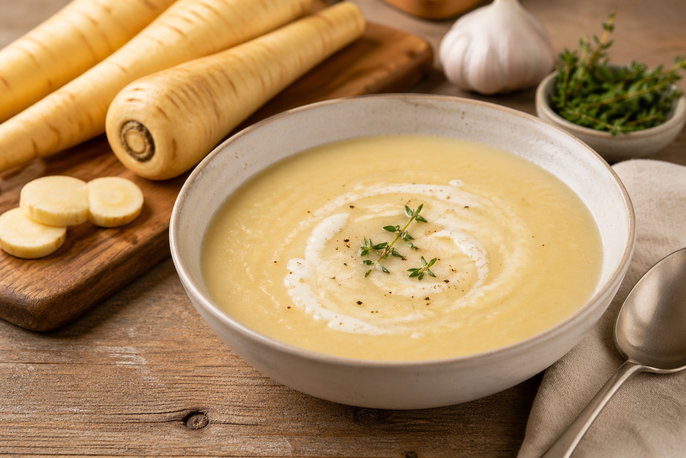
Parsnip is a root vegetable scientifically known as Pastinaca sativa. It has a pale color and a slightly sweet taste that becomes more noticeable when cooked.
This vegetable is commonly used in soups, roasted dishes, and purees. It is similar in appearance to carrots but has a milder, nuttier flavor.
Parsnip is valued for its nutritional content, especially its fiber, vitamins, and minerals. It is often included in balanced diets because it can support overall health.
Health benefits
Parsnip offers several health benefits due to its fiber content, vitamins, and natural plant compounds. Some of these benefits include:
1. Supports digestive health
Parsnip is rich in dietary fiber, including pectin and other polysaccharides. These fibers help promote regular bowel movements and support gut health by feeding beneficial bacteria.
2. May improve gut microbiota
The pectin found in parsnip acts as a prebiotic, helping beneficial bacteria grow in the intestines. This may support better digestion and overall gastrointestinal function.
3. Helps support heart health
Parsnip contains potassium and other minerals that contribute to normal blood pressure levels. Its fiber content may also help reduce cholesterol absorption when eaten regularly.
4. May reduce inflammation
Parsnip contains bioactive compounds such as flavonoids and polyacetylenes. These compounds have been associated with anti-inflammatory and antioxidant effects in the body.
5. May support liver health
Some studies suggest that parsnip extracts may help reduce fat accumulation and improve metabolic markers related to liver health. These effects have mainly been observed in experimental studies.
Overall, parsnip can be a nutritious addition to meals, especially when combined with other vegetables and whole foods.
Nutritional information
The following table shows the approximate nutritional values for 1 cup of raw parsnip (about 133 g):
These values are based on USDA data and nutritional analyses of parsnip.
Recommended daily dose
There is no specific recommended daily dose for parsnip. However, it can be included as part of the daily vegetable intake recommended in a balanced diet.
A typical serving is about ½ to 1 cup of cooked or raw parsnip. Including it a few times per week can help contribute to daily fiber and nutrient needs.
Ways to eat it
Parsnip is versatile and can be prepared in many ways, including:
-
Roasted with olive oil and herbs
-
Added to soups and stews
-
Mashed as an alternative to potatoes
-
Sliced and baked into chips
-
Mixed into vegetable purees
Cooking parsnip often enhances its natural sweetness and improves its texture.
Side effects
Parsnip is generally safe when eaten in normal food amounts. However, some people may experience skin sensitivity if they come into contact with the plant, especially when exposed to sunlight.
This reaction is linked to compounds called furanocoumarins, which can cause irritation or redness when combined with UV exposure.
People with sensitive skin or a history of plant-related dermatitis should be cautious when handling fresh parsnip. Eating parsnip is generally considered safe, but topical exposure is more likely to cause reactions.
Recipe ideas
Some ways you can prepare parsnip include:
1. Roasted parsnip
Ingredients
-
2 cups parsnip, peeled and sliced
-
1 tablespoon olive oil
-
Salt and herbs to taste
Preparation
Preheat the oven to 400°F (200°C). Toss the parsnip slices with olive oil, salt, and herbs. Spread on a baking sheet and roast for 25 to 30 minutes until golden.
2. Parsnip soup
Ingredients
-
2 cups chopped parsnip
-
1 onion, chopped
-
3 cups vegetable broth
-
1 tablespoon olive oil
Preparation
Cook the onion in olive oil until soft. Add parsnip and broth, then simmer until tender. Blend until smooth and serve warm
