


Pachyonychia congenita is a rare inherited skin and nail condition that causes thickened nails and painful thick skin, especially on the soles of the feet. It is caused by changes in keratin genes, which help give strength to the skin, nails, and some lining tissues.
The main symptoms of pachyonychia congenita often start in infancy or early childhood. These can include thick toenails or fingernails, painful calluses on the feet, blisters, cysts, white patches inside the mouth, and rough bumps around hair follicles.
There is no cure for pachyonychia congenita, but treatment can help reduce pain, improve walking, and manage skin and nail changes. Care may involve regular callus and nail care, pressure-relieving shoes, moisturizing or keratolytic creams, pain control, and treatment for cysts or mouth and throat lesions when needed.
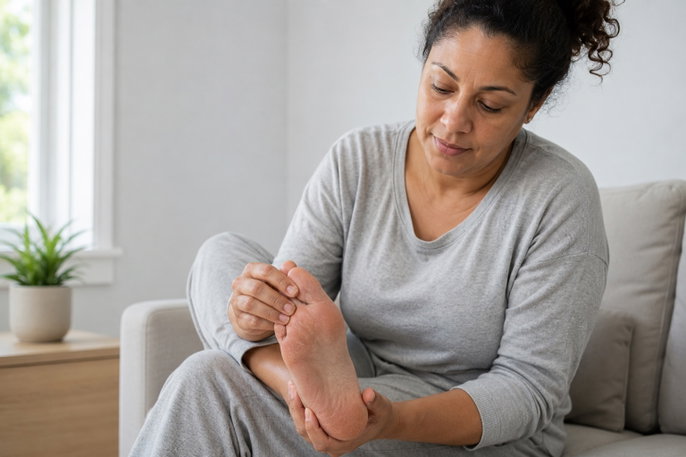
Main symptoms
The symptoms of pachyonychia congenita can vary depending on the gene involved, but nail thickening and painful thick skin on the feet are the main signs.
-
Thickened toenails or fingernails, sometimes curved or discolored
-
Painful thick calluses on the soles of the feet
-
Blisters under thickened skin on the feet
-
Thick skin or calluses on the palms
-
Difficulty walking because of foot pain
-
Rough bumps around hair follicles, especially in areas exposed to friction
-
White thick patches on the tongue or inside the cheeks
-
Hoarseness, when the throat or voice box is affected
-
Skin cysts, including steatocystomas or epidermal cysts
-
Natal or prenatal teeth, especially in some genetic types
-
Excess sweating
-
Cracks at the corners of the mouth
-
Rare symptoms, such as hearing loss or cataracts
Foot pain is often one of the most disabling symptoms. In some people, the pain can limit daily activities and may lead to the need for walking aids.
Causes
Pachyonychia congenita is caused by inherited changes in keratin genes. These genes include KRT6A, KRT6B, KRT6C, KRT16, and KRT17.
The condition is usually autosomal dominant, which means one changed copy of the gene can be enough to cause symptoms. However, some cases can occur without a known family history when the gene change happens for the first time.
Diagnosis
The diagnosis of pachyonychia congenita is usually suspected based on thickened nails, painful thick calluses on the soles, blisters, and a history of symptoms starting early in life. Other clues include white patches in the mouth, cysts, follicular bumps, natal teeth, and similar symptoms in family members.
A doctor may examine the nails, palms, soles, mouth, skin, and voice symptoms. The pattern of symptoms can help suggest the likely genetic type, such as KRT6A, KRT16, or KRT17-related disease.
Genetic testing can help confirm the diagnosis by finding a disease-causing change in one of the keratin genes linked to pachyonychia congenita. This can also help guide family counseling and clarify the subtype.
Treatment options
There is no cure for pachyonychia congenita. Treatment focuses on relieving pain, reducing thickened skin and nails, preventing injury, and treating complications.
1. Skin and nail care
Regular trimming of thickened nails and careful removal of thick calluses can help reduce pressure and discomfort. This is often done with help from a podiatrist or dermatologist.
Moisturizers and keratolytic creams, such as products with urea or salicylic acid, may help soften thick skin. These treatments should be used carefully, especially on cracked or irritated skin.
2. Footwear and pressure relief
Cushioned shoes, custom insoles, padding, and orthotics can help reduce pressure on painful areas of the feet. Activity changes may also be needed when walking or standing worsens symptoms.
Some people may need a cane, wheelchair, or other walking support during periods of severe pain. The goal is to improve mobility while limiting trauma to the skin.
3. Pain control
Pain management is an important part of treatment because plantar pain can be severe. Pain relief may include medications, physical therapy, and, in some cases, nerve blocks.
Treatment should be individualized based on the level of pain and how much it affects walking and daily activities. Psychosocial support may also help because the condition is chronic, visible, and can affect quality of life.
4. Cyst treatment
Cysts may be treated if they are painful, inflamed, infected, or bothersome. Treatment can include drainage or surgical removal.
Good skin care and early evaluation of painful or swollen cysts may help prevent worsening infection. Dermatology care is often useful for people with many cysts.
5, Mouth, throat, and dental care
White patches in the mouth are often harmless but may be checked to avoid confusion with other conditions. Throat or voice box involvement may need medical evaluation if hoarseness, breathing trouble, or feeding problems occur.
Babies with natal or prenatal teeth may need dental assessment. This helps check whether the teeth interfere with feeding or create a risk of aspiration.
6. Medicines and emerging treatments
Retinoids may be used in selected cases, but they are considered case-by-case because they can have side effects and may worsen pain in some people. Other newer treatments, including gene-targeted approaches such as siRNA therapy, are being studied.
These newer treatments are not considered routine care. Participation in registries or clinical trials may be discussed with a specialist when appropriate.
When to see a doctor
Medical evaluation is recommended when thickened nails and painful calluses start in infancy or childhood, especially if there is a family history of similar symptoms. A doctor should also evaluate symptoms that affect walking, cause severe pain, or interfere with daily activities.
Urgent care may be needed if a cyst becomes very painful, red, swollen, warm, or drains pus. Hoarseness, breathing problems, feeding problems in babies, or concerns about natal teeth should also be assessed promptly.