


Ovulation symptoms include physical changes like clear vaginal discharge, mild cramping, and body temperature fluctuations that occur when an egg is released from the ovary. These signs vary significantly in intensity, as some women feel distinct discomfort while others may not notice any specific changes during the cycle.
Recognizing specific ovulation symptoms is the most effective way to identify the fertile window, which typically lasts for about six days each month. This period is driven by natural hormonal shifts, specifically a rise in estrogen and luteinizing hormone, that prepare the reproductive system for potential fertilization.
Monitoring additional indicators such as increased libido, acne breakouts, or breast tenderness helps in pinpointing the exact days when conception is most likely. Accurately tracking these signals allows for a better understanding of reproductive health and improves the chances of predicting the best time for pregnancy.
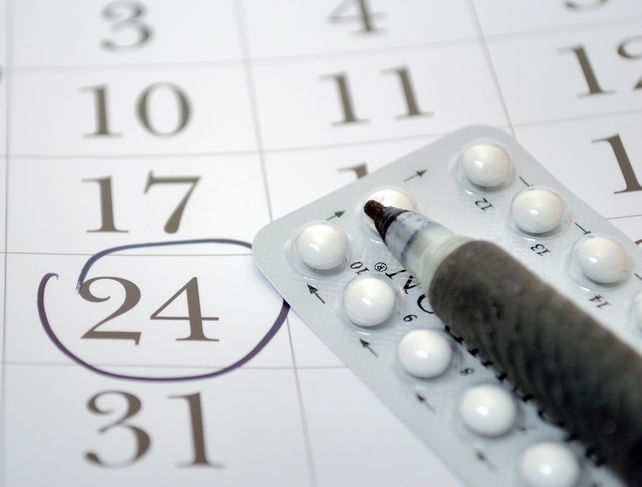
Common signs of ovulation
The most obvious ovulation symptoms is an increase in vaginal discharge, but there are other symptoms that can help you determine whether you are ovulating. These include:
1. Transparent vaginal discharge
Transparent vaginal discharge, similar to raw egg whites, is the first sign that ovulation and the fertile window are coming. In this stage your body releases a hormone called estradiol, which increases fluid production. This acts as a lubrication mechanism which aids the entrance of the sperm into the vagina.
Learn more about what different discharge colors may mean for your reproductive health.
2. Acne breakouts
Acne breakouts are common when the fertile window is close. Skin gets more oily during this time, which leads to small pimples and blackheads. This can occur even after adolescence.
3. Slight increase in temperature
A slight increase in body temperature happens as a way for the body to prepare for fertilization. During this period, the follicles release the eggs, which increases progesterone levels. This hormone is responsible for a temperature increase of 0.3 to 0.8ºC, which can be measured with a thermometer first thing in the morning.
4. Increase in libido
This symptom may also occur as a result of increased hormone levels. Women may also feel more attractive and have increased sexual desire during this time.
5. Lower abdominal pain
A mild pain in the lower abdomen, which is around the level of the ovaries, is another very frequent symptom. Some women might feel cramps that come and go, which is an obvious sign that you are ovulating.
6. Mood changes
Irritability and emotional fluctuations are also common during ovulation, and are mainly due to the hormonal changes that occur in the body.
7. Bloating
Women may notice mild bloating at the start of ovulation, which gradually increases. Peak fluid retention is typically noted on the first day of the period.
8. Reduced appetite
The day leading up to and including ovulation are associated with a rise in estrogen levels. Estrogen is thought to have an appetite-suppressing effect, and high levels in the body may lead to reduced food intake.
9. Breast tenderness
Breast soreness or pain may be reported by some women around ovulation, although this symptom can vary greatly from patient to patient. Some women may have very mild, almost unnoticeable soreness, while other may be unable to wear tight-fitting clothes or bras. Pain may be localized to just one breast and can radiate to the underarm.
10. Nausea and headaches
The rise in hormone levels, like estrogen and luteinizing hormone, that occurs during ovulation can be unsettling for some women, and may lead to nausea and headaches that last for a few days.
What if I don’t notice any symptoms?
If you are trying to get pregnant but have difficulty calculating your fertile window (e.g. due to irregular cycles), or if you are unable to detect trackable symptoms, you can opt to buy an ovulation test at the pharmacy.
If your cycles are relatively regular, you can also calculate your fertile period using a calculator like this one:
To calculate your fertile window, report your details in the calculator above.