


Osteopathy is an alternative medicine approach that uses manual techniques to move, position, and stretch parts of the body, helping to stimulate recovery.
It is most often recommended as a complementary treatment for back pain, muscle spasms, and minor sports injuries. However, in some cases, osteopathy may not be advised, particularly when there is a higher risk of injury to bones or ligaments.
Although not regulated in Brazil, osteopathy is recognized by the Federal Council of Physical Therapy and Occupational Therapy as a physical therapy specialty. As with other complementary therapies, it is important to consult a doctor before starting osteopathy.
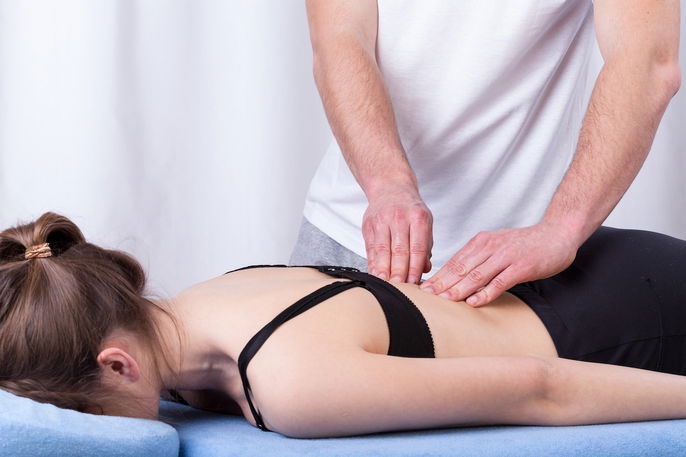
What osteopathy is used for
Osteopathy can be recommended as a complementary treatment for:
-
Muscle spasms
-
Sciatic nerve pain
-
Back pain
-
Lower back pain
-
Shoulder or neck pain
-
Herniated disc
-
Minor sports injuries
These techniques can improve joint mobility, relieve muscle tension, and stimulate blood circulation. For this reason, osteopathy may also be recommended during pregnancy to help ease back pain.
Difference between osteopathy and chiropractic
Osteopathy is a broader therapy that involves a variety of manual techniques to assess, diagnose, and treat muscular problems, with the goal of restoring balance to the body as a whole.
Chiropractic, on the other hand, is more focused on acute back pain, using targeted manual techniques to align bones and relieve discomfort.
In Brazil, osteopathy is generally performed by licensed physical therapists, while chiropractic does not require formal training in this area or even a background in healthcare.
How osteopathy is performed
Before beginning treatment, the osteopath usually conducts an initial consultation to collect information about health conditions, lifestyle, diet, and family medical history. Posture is also commonly assessed.
During sessions, the osteopath uses their hands to guide the body into different positions, apply pressure to specific points, and perform stretches to align the joints. These techniques are intended to support recovery of the affected areas.
Movements during osteopathy sessions are not painful, and any discomfort should be reported to the osteopath. Medications are typically not prescribed, but the osteopath may provide advice on lifestyle adjustments, such as diet and exercise.
Possible risks
Osteopathy is generally considered safe, with techniques tailored to each person’s health history and needs. However, mild side effects may occur after a session, such as headache, soreness in the treated area, or fatigue. These symptoms usually resolve within 1 to 2 days without the need for specific treatment.
In rare cases, osteopathic manipulation may lead to serious complications, such as vessel rupture or fractures.
Who should avoid osteopathy
Certain osteopathy techniques are not recommended for people with:
-
Recent fractures
-
Open wounds
-
Vascular conditions, such as aortic aneurysm or thrombosis
-
Cancer
-
Rheumatoid arthritis
-
Joint instability
-
Spinal cord disorders
-
Osteoporosis
In these situations, osteopathy may not be suitable. Whenever possible, treatment should be adapted to the person’s health history to minimize risks. Seeking a qualified professional is essential to ensure safe practice.