


- Oregano benefits include antioxidant and anti-inflammatory properties that may help support heart health, digestion, and immune function.
- It can be consumed as tea, capsules, essential oil, or seasoning, but medicinal forms should be used for short periods and with care.
- Oregano may interact with medications like blood thinners and diabetes drugs, so medical guidance is recommended before using supplements.
Oregano benefits include helping to manage cholesterol, support digestion, and reduce inflammation. This herb is rich in natural compounds with antioxidant, antimicrobial, and anti-inflammatory properties.
Used in both cooking and natural medicine, oregano can be consumed as a tea, essential oil, syrup, or seasoning. Its benefits may also include preventing infections, easing respiratory symptoms, and promoting weight loss.
Oregano benefits are linked to its high content of carvacrol, thymol, and other active compounds. Understanding how to use oregano safely and effectively can support overall health as part of a balanced lifestyle.
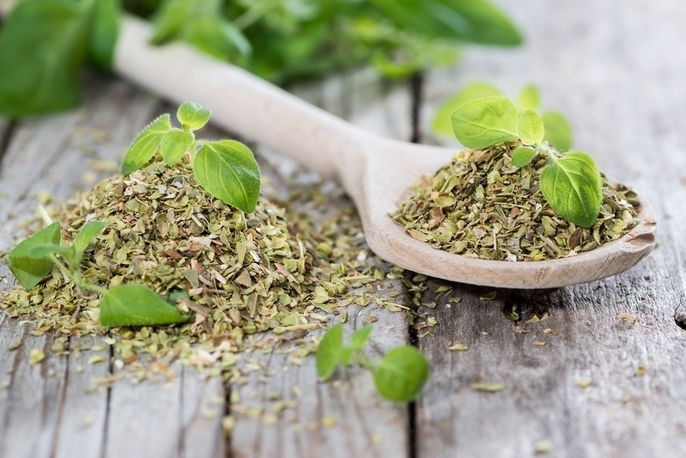
Health benefits
Oregano benefits include:
1. Preventing cancer
Oregano is rich in antioxidants, like carvacrol and thymol, which help to neutralize free radicals that accumulate in the body. This can reduce cellular damage and prevent the growth of cancerous cells, reducing the risk for the development of some types of cancer, like ovarian, prostate and leukemia.
2. Reducing cholesterol
Consuming oregano tea on a regular basis can help to decrease “bad” cholesterol, or LDL, levels. This plant contains great amounts of compounds with antioxidant properties, like flavonoids, thymol and carvacrol, which prevent cardiovascular diseases.
3. Improving digestion
Oregano is a great antispasmodic that stimulates gastrointestinal secretions that promote digestion. Oregano is a great option for improving symptoms of dyspepsia, as well as gas and abdominal cramps.
4. Decreasing respiratory secretions
When consumed as a tea or homemade syrup, oregano can acts on the bronchi to promote the movement of lung secretions, making it a great natural expectorant. Generally, oregano can be used to complement the treatment of bronchitis, dry coughs, common cold, sinusitis and laryngitis.
5. Relieving muscular pain
Due to its antioxidant and anti-inflammatory properties, oregano can help to relax muscles and reduce some pain, like pain from a stiff neck or back. Essential oil or a dressing infused with oregano can be applied directly to affected areas.
6. Managing diabetes
Consuming oregano on a daily basis can have an antidiabetic effect, which blocks some enzymes from metabolizing glucose. This can help to balance blood sugar levels.
7. Preventing early aging
Daily oregano consumption can help to prevent early aging, as oregano is rich in antioxidant compounds, like flavonoids and vitamin C. These help to neutralize free radicals and prevent cellular damage to maintain younger-looking, healthy skin.
8. Promoting weight loss
The anti-inflammatory and antioxidant compounds in oregano can help to reduce inflammation and burn fat. Oregano can be very useful in weight loss diets as a result.
9. Fighting infections
Oregano contains properties that help to treat some infections, like the flu, UTI, herpes and yeast infections. It contains compounds, like carvacrol, that decrease the microorganisms’s activity to speed.up recovery. It can be used to complement medically prescribed treatment.
How to use oregano
Oregano can be consumed as fresh or dried leaves, tea, syrup, capsules, essential oil, or vapor, depending on the intended purpose:
1. Oregano tea
Oregano tea is a traditional way to obtain oregano benefits and support digestion or respiratory comfort.
Ingredients
- 1 tablespoon (about 2 g) of dried oregano
- 1 cup of boiling water
How to prepare: Place the oregano in a cup of boiling water and allow to infuse for 5 to 10 minutes. Then strain, wait for it to cool, and drink 2 to 3 cups per day.
The typical dosage for oregano tea is up to 3 cups per day, which provides about 6 grams of dried oregano. It is generally recommended for short-term use of up to 8 weeks, unless otherwise advised by a healthcare professional.
2. Oregano syrup
Oregano syrup is used in natural medicine to help eliminate lung secretions and ease coughing.
Ingredients:
- 1 teaspoon of oregano
- 1 tablespoon of honey,
How to prepare: Mix the teaspoon of oregano with the tablespoon of honey, warm briefly, and take 2 to 3 times per day.
Evidence for homemade syrups remains traditional; medical advice is recommended for persistent coughs.
3. Oregano capsules
Oregano capsules contain concentrated extracts of oregano oil, usually standardized for carvacrol and thymol. These compounds are responsible for most of the herb’s antioxidant and antimicrobial properties.
Dose: The typical dosage for oregano capsules ranges from 200 to 400 milligrams per day, divided into one to three doses. The maximum recommended amount is 600 milligrams per day, taken for no longer than eight weeks.
Capsules should be taken with meals to minimize gastrointestinal irritation and should be avoided during pregnancy, breastfeeding, or in children under 12 years of age. It is important to choose oregano capsules from reputable brands that conduct third-party quality testing to ensure purity and standardized concentration.
4. Oregano essential oil (topical use)
Oregano essential oil is highly concentrated and must always be diluted before skin application. It is often used for its antimicrobial and anti-inflammatory properties to relieve mild muscle discomfort or support skin health.
How to use: To use oregano essential oil safely, dilute one drop of oregano oil in five to six drops of a carrier oil, such as olive, coconut, or almond oil. The diluted mixture can then be gently applied to the affected area once or twice daily.
Oregano essential oil should never be used undiluted on the skin or mucous membranes, and it should be kept away from the eyes and broken skin. It is also not recommended for use during pregnancy, while breastfeeding, or in children under 12 years of age due to the risk of irritation and the lack of sufficient safety data.
5. Dried oregano (culinary use)
Dried oregano is a flavorful spice that offers mild antioxidant benefits when used in cooking. It’s rich in natural polyphenols and aromatic oils, which can support digestion and reduce oxidation in foods.
Dried oregano can be used in cooking by adding 1 to 2 teaspoons, or about 1 to 2 grams, per day to meals.
It pairs well with a variety of dishes, including salads, pasta, pizza, soups, grilled vegetables, fish, lamb, and chicken. To maintain its flavor and quality, dried oregano should be stored in a sealed glass jar away from moisture and light for up to three months.
Culinary oregano is Generally Recognized as Safe (GRAS) by the FDA when used as a food flavoring. It can be part of a balanced diet that emphasizes fruits, vegetables, whole grains, and lean proteins. Higher-dose preparations, however, are considered supplements and are not FDA-approved for treating or preventing disease.
6. Oregano vapor
Oregano vapor may help to thin mucus and improve breathing comfort in bronchitis or sinusitis.
Ingredients
- 1 liter of water
- One handful of oregano leaves
How to prepare: Boil the water in a pot the oregano leaves. Once the water starts to boil, inhale the vapor carefully, keeping a safe distance to avoid burns.
Nutritional information
The following table outlines the nutritional information of 100 g of dried oregano leaves:
It is important to highlight that to obtain all the health benefits oregano has to offer, it should be included in a healthy, balanced diet. You should also incorporate regular physical activity into your routine.
Herb-drug interactions
Oregano and its main active compounds, carvacrol and thymol, can interact with certain medications:
- Anticoagulants/antiplatelets: Oregano may slow blood clotting, so taking it with medications like warfarin, heparin, dabigatran, aspirin, or clopidogrel could increase the risk of bleeding or bruising. It’s best to stop taking oregano supplements at least two weeks before any scheduled surgery.
- Antidiabetic agents: Some studies suggest oregano can help lower blood sugar. When taken with medications such as metformin, sulfonylureas, insulin, or DPP-4 inhibitors, it may cause blood sugar to drop too low. If using both, blood glucose should be monitored carefully.
- Antibiotics (synergy/oversight): Oregano oil has shown some ability to boost the effects of certain antibiotics in lab studies, but taking them together should only be done with medical supervision.
- Special populations: Medicinal amounts of oregano should be avoided during pregnancy and breastfeeding. Essential oils and supplements aren’t recommended for children under 12 because they can cause irritation and haven’t been well studied for safety. People allergic to herbs in the mint family (Lamiaceae), such as basil, sage, or mint, should also use caution.
Because of these possible interactions and safety concerns, oregano in medicinal forms should be used carefully and ideally under the guidance of a healthcare professional, especially when taken with prescription medications or by sensitive groups.