


Oral thrush, also known as oral candidiasis, is an infection caused by an overgrowth of the fungus Candida albicans in the mouth. It most often affects babies, due to their developing immune system, or adults with weakened immunity from conditions such as colds, chronic illnesses, or HIV.
Although Candida naturally lives on the skin, it can multiply excessively and cause signs of infection, such as white patches in the mouth and pain or burning in the affected area.
Treatment for oral thrush usually involves antifungal mouth rinses, antifungal medications, and good oral hygiene. It should be guided by a doctor, dentist, or pediatrician in the case of children.
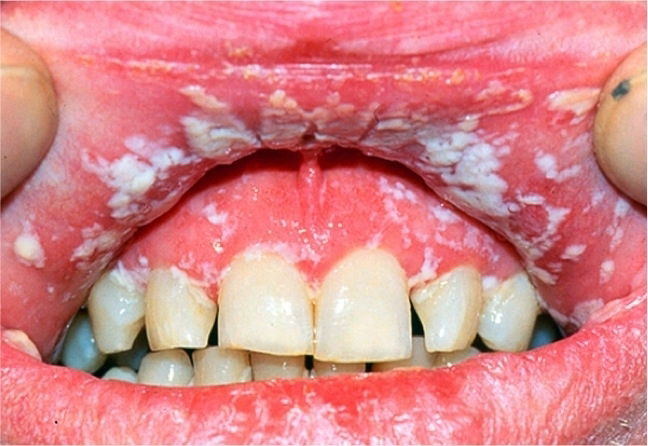
Symptoms of oral thrush
The main symptoms of oral thrush are:
-
White coating inside the mouth
-
Creamy-looking patches in the mouth
-
Ulcers on the tongue or inner cheeks
-
Cotton-like feeling in the mouth
-
Pain or burning in the affected areas
In more severe cases, inflammation may also affect the esophagus, which can cause pain and difficulty swallowing.
This condition is very common in babies and is often referred to as “thrush.” Because the fungus can spread through kissing and infants have an underdeveloped immune system, they are more likely to develop oral thrush.
Confirming a diagnosis
Oral thrush is usually diagnosed by a doctor through an exam of the mouth and throat.
In some cases, a sample from inside the mouth may be collected and sent to a lab to identify the microorganism responsible for the symptoms.
Possible causes
Candida fungi are normally present on the skin and mucous membranes without causing problems.
However, when the immune system is weakened or certain conditions favor fungal growth, the fungus can multiply more than normal, leading to oral thrush.
Who is at higher risk
Factors that increase the risk of developing oral thrush include:
-
Endocrine conditions, such as diabetes or hypothyroidism
-
Nutritional deficiencies, such as low iron, vitamin B12, or folic acid
-
Immune system diseases, such as AIDS
-
Blood disorders, such as leukemia or agranulocytosis
-
Dry mouth (xerostomia), which may result from Sjögren’s syndrome or certain medications
-
Diets high in carbohydrates
-
Use of antibiotics or corticosteroids
-
Wearing dentures overnight, oral trauma, or poor oral hygiene
-
Smoking or drug use
Children, older adults, and pregnant women are also more likely to develop oral thrush, as their immune system tends to be slightly weaker.
Treatment options
Treatment for oral thrush should be prescribed by a doctor, dentist, or pediatrician in the case of babies and children. It can usually be managed at home with antifungal medications in gel, liquid, or mouth rinse form, such as nystatin, for 5 to 7 days.
During treatment, it is also important to follow some care measures:
-
Brush teeth at least 3 times a day with a soft-bristled toothbrush
-
Avoid fatty or sugary foods, such as cakes, candy, cookies, or sweets, as they encourage fungal growth
In more severe cases, when mouth rinses are not effective, the doctor may prescribe oral antifungal medications, such as fluconazole. These should be taken exactly as prescribed, even if symptoms improve before finishing the full course.