


- Sudden numbness in toes, especially if it spreads quickly or affects walking, should be assessed by a doctor.
- Numbness with weakness, poor balance, trouble breathing, or loss of bladder or bowel control can be a sign of a serious nerve problem.
- Severe pain, toe color changes, swelling, blisters, wounds, or numbness after an injury or cold exposure needs prompt medical care.
Numbness in toes can happen when nerves or blood flow in the feet are affected. It may feel like tingling, pins and needles, burning, or a loss of feeling in one or more toes.
In many cases, numbness in toes is linked to nerve problems, such as diabetic neuropathy, tarsal tunnel syndrome, Morton’s neuroma, vitamin B12 deficiency, or nerve compression in the lower back. It can also be related to circulation problems, such as Raynaud’s phenomenon, or to cold injury and local trauma.
Treatment for numbness in toes depends on the cause and may involve better diabetes control, vitamin replacement, medication, physical therapy, shoe changes, or treatment to improve blood flow. Medical care is important if numbness appears suddenly, spreads quickly, affects walking, is linked to weakness, follows an injury, or comes with severe pain, color changes, or breathing problems.
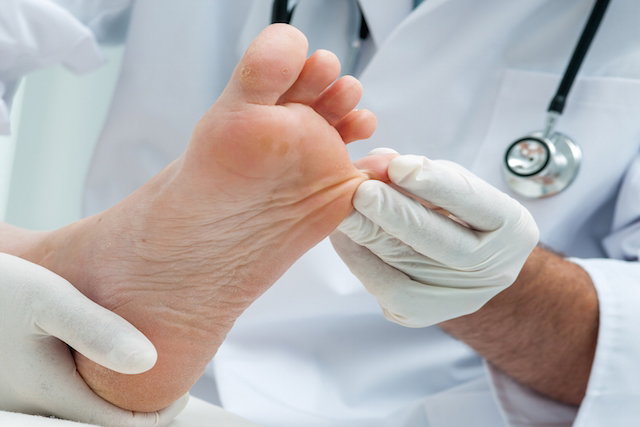
What causes numb toes?
The main causes of numbness in toes include:
1. Diabetic neuropathy
Diabetic neuropathy is nerve damage caused by diabetes, especially when blood sugar has been high for a long time. One common type affects the longest nerves first, so symptoms often begin in the toes and soles of the feet. Numbness in toes may slowly spread upward in a stocking-like pattern.
Other symptoms can include tingling, burning, stabbing pain, or electric-like pain in the feet. The feet may also become less able to feel heat, cold, pain, or pressure. Some people may have balance problems, abnormal sweating, dizziness when standing, or bowel and bladder changes.
What to do: Treatment focuses on keeping blood sugar well controlled to help slow nerve damage. Medicines such as duloxetine, pregabalin, or some tricyclic antidepressants may be used when there is nerve pain. Regular foot checks, proper footwear, and daily foot care are important to help prevent wounds and ulcers.
2. Guillain-Barré syndrome
Guillain-Barré syndrome is a serious nerve condition in which the immune system attacks the peripheral nerves. It often happens after an infection and can worsen quickly. Pins and needles or numbness may start in the toes, feet, ankles, or wrists before spreading upward.
Other symptoms may include weakness in the legs, trouble walking, and an unsteady gait. As it progresses, weakness can affect the arms, face, and breathing muscles. Severe pain, changes in heart rate or blood pressure, and bladder or bowel problems can also occur.
What to do: Guillain-Barré syndrome requires urgent hospital care because breathing and muscle strength need close monitoring. Treatment may include intravenous immunoglobulin or plasma exchange to reduce the course of the illness. Supportive care, pain control, physical therapy, and prevention of complications are also important.
3. Tarsal tunnel syndrome
Tarsal tunnel syndrome happens when the tibial nerve is compressed as it passes through a narrow space near the inside of the ankle. This nerve helps supply feeling to the sole of the foot and toes. Numbness in toes may come with tingling or burning in the bottom of the foot.
Symptoms are often worse with standing, walking, running, or certain ankle positions. Pain may feel burning or shooting and can affect the sole or inner ankle. In more advanced cases, there may be weakness in small foot muscles or tingling when the nerve area is tapped.
What to do: Treatment may include rest, activity changes, weight management, anti-inflammatory medicines, orthotics, and better footwear. Any cause of nerve compression, such as flat feet, varicose veins, or cysts, should also be addressed. Surgery to release the tarsal tunnel may be considered when symptoms do not improve or when there is clear structural compression.
4. Morton’s neuroma
Morton’s neuroma is a thickening of a nerve in the ball of the foot, most often between the third and fourth toes. It is usually linked to repeated pressure or irritation of the nerve. Tight shoes or high heels can make symptoms worse.
Along with numbness in the toes, Morton’s neuroma can cause burning, tingling, sharp pain, or stabbing pain in the forefoot. Some people feel as if they are walking on a pebble or on a fold in the sock. Symptoms often worsen with walking or tight shoes and may improve with rest or removing footwear.
What to do: Treatment usually starts with wider shoes, lower heels, metatarsal pads, custom orthotics, weight reduction, and pain-relieving medicines when needed. If symptoms continue, injections, radiofrequency treatment, or other procedures may be considered. Surgery can help in some cases, although it may leave lasting numbness in the affected space between the toes.
5. Raynaud’s phenomenon
Raynaud’s phenomenon happens when small blood vessels narrow temporarily, usually in response to cold or stress. It most often affects the fingers, but it can also affect the toes. During an attack, reduced blood flow can cause the toes to feel cold, numb, or tingly.
Color changes are common and may include white, blue, and then red skin as blood flow returns. There may also be pain, throbbing, or burning during recovery. In severe cases, especially when Raynaud’s is linked to another disease, sores or tissue damage can occur at the tips of the toes.
What to do: Treatment includes keeping the feet warm, avoiding cold exposure, managing stress, not smoking, and avoiding medicines that narrow blood vessels when possible. In more serious cases, doctors may prescribe vasodilators such as calcium channel blockers. If Raynaud’s is caused by another condition, treating that condition is also important.
6. Local nerve injury in the toe
A local nerve injury can happen after trauma, cuts, fractures, crush injuries, surgery, or repeated pressure from shoes. The numbness is usually limited to one toe or part of a toe. It often follows the area supplied by the injured nerve.
Other symptoms can include burning, shooting, or electric-like pain near the injury site. Light touch may feel painful, which is known as allodynia. There may also be a scar, deformity, or a clear history of injury or surgery involving the toe or foot.
What to do: Treatment involves protecting the area from further injury and using footwear that avoids pressure on the affected toe. Physical therapy and desensitization exercises may help reduce nerve sensitivity. In some cases, nerve pain medicines or surgery to free or remove a damaged nerve area may be considered.
7. Vitamin B12 deficiency
Vitamin B12 deficiency can damage nerves and may first cause symptoms in the feet and toes. It can happen due to low intake, malabsorption, pernicious anemia, or certain medicines such as metformin. Numbness in toes may come with pins and needles or reduced ability to feel vibration and position.
Additional symptoms may include burning pain in the feet, weakness, and trouble with balance or walking. In more severe or long-lasting cases, there may be cognitive changes or spinal cord involvement. Blood tests may show low vitamin B12, macrocytic anemia, or high levels of related markers such as methylmalonic acid or homocysteine.
What to do: Treatment involves replacing vitamin B12 with oral supplements or injections, depending on the cause and severity. The underlying reason for the deficiency should also be treated, such as diet problems, malabsorption, or medication-related effects. Nerve recovery is more likely when treatment begins early.
8. Lumbar radiculopathy or sciatica
Lumbar radiculopathy happens when a nerve root in the lower back is compressed or irritated. This may be caused by a herniated disc or spinal narrowing. Although leg pain is common, some people mainly notice numbness in the toes or foot.
Symptoms can include low back pain, pain traveling down the leg, tingling, or electric-shock sensations. Weakness may affect ankle or foot movement, and reflexes may be reduced. Symptoms may worsen with sitting, driving, or certain back positions.
How to treat: Treatment usually starts with activity changes, physical therapy, and pain-relieving medicines. Some cases may improve with epidural steroid injections. Surgery may be needed if pain is severe and persistent, weakness is worsening, or there are emergency signs such as loss of bladder or bowel control.
9. Small-fiber peripheral neuropathy
Small-fiber peripheral neuropathy affects small nerve fibers that help sense pain and temperature. It can be linked to infections, autoimmune disease, toxins, chemotherapy, inherited conditions, or other causes. Symptoms often begin in the toes and feet before moving upward.
Besides numbness in toes, there may be burning, tingling, pain from light touch, or increased sensitivity to pain. The feet may have reduced temperature sensation or changes in color or dryness. Other symptoms depend on the underlying cause and may include weight loss or signs of another disease.
What to do: Treatment depends on finding and managing the underlying cause. This may include changing a neurotoxic medicine, treating an infection, or controlling an autoimmune disease. Nerve pain treatment, foot protection, and fall-prevention steps may also be recommended.
10. Frostbite or cold injury
Frostbite is tissue damage caused by freezing, and it commonly affects the toes and fingers. Even milder cold injuries can temporarily affect the nerves in the toes. Early numbness can happen as blood flow drops and the tissues become cold.
The toes may feel frozen, heavy, or completely without sensation. In more severe cases, the skin may look pale, waxy, or hard. During rewarming, there may be intense pain, redness, swelling, blisters, and later long-term cold sensitivity or nerve pain.
What to do: Treatment involves rapid rewarming in warm, not hot, water and protecting the area from freezing again. Pain control and medical assessment are important to check how deep the injury is. Severe frostbite may require wound care, clot-dissolving treatment, surgery, or long-term care for nerve symptoms.
