


Stinging nettle is a medicinal plant widely used as a natural remedy for managing blood pressure, blood sugar levels, and joint pain. Scientifically known as Urtica dioica, it is commonly used to support conditions like arthritis, diabetes, and rheumatic disease.
The leaves of stinging nettle are most often prepared as tea, while the roots are typically used in capsule supplements. These forms are valued for their anti-inflammatory, antioxidant, diuretic, and blood sugar–regulating properties when used under medical guidance.
Stinging nettle is also linked to benefits for skin health, allergies, urinary tract support, bone strength, and prostate health. Because it can interact with medications and affect blood pressure and glucose levels, proper use and safety considerations are essential.
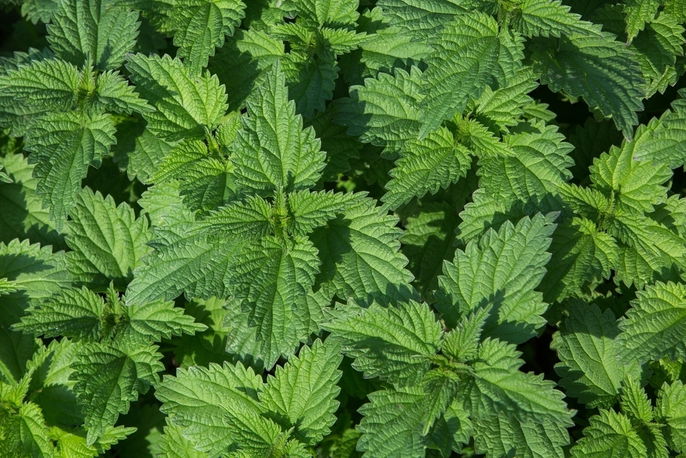
Health benefits
Stinging nettle can be beneficial for the treatment of:
1. Relieving arthritis symptoms
Stinging nettle has anti-inflammatory and antioxidant action and can help to reduce the production of inflammatory substances in the body. This property can be beneficial for relieving symptoms of arthritis, like muscle or joint pain.
Due to its anti-inflammatory effect, stinging nettle can also help to relieve the symptoms of osteoarthritis, gout or rheumatism.
2. Managing diabetes
Stinging nettle is rich in polyphenols that contain antidiabetic, antioxidant and anti-inflammatory properties. These can help to stimulate insulin production in the pancreas, which can be beneficial for managing diabetes.
Stinging nettle also helps to reduce the absorption of sugar from food by the intestines, which can keep blood glucose levels more stable.
It is important to note that the use of stinging nettle does not replace medical treatment for diabetes.
3. Lowering blood pressure
Stinging nettle can help lower blood pressure because it stimulates the release of nitric oxide, which is responsible for dilating blood vessels. This process allows blood to flow more easily through the veins and arteries.
In addition, stinging nettle also has a calcium channel blocking effect, causing blood vessels to dilate and reducing peripheral vascular resistance.
However, it is important to emphasize that stinging nettle does not replace treatment with medication for high blood pressure, nor does it replace a proper diet and physical exercise.
4. Fighting acne
Stinging nettle is rich in phenolic compounds with potent antioxidant and antibacterial action, which can help to prevent damage caused by free radicals in the skin.
In addition, stinging nettle helps to speed up the healing of acne-prone skin and reduce the appearance of scars on the skin.
5. Improving the appearance of the skin
Due to its antioxidant effects, stinging nettle can also improve the appearance of the skin and prevent the appearance of wrinkles, expression lines or blemishes.
6. Managing allergic rhinitis
Stinging nettle can help fight or prevent allergic rhinitis, as it is able to block histamine receptors and interfere with the release of histamine in the body. Histamine is a substance that often causes symptoms like a runny or blocked nose or constant sneezing.
However, more studies are still needed to prove this health benefit.
7. Helping to treat a UTI
Stinging nettle tea has a diuretic effect, which can help to promote urine elimination.y tract.
This can be useful in helping to eliminate excess bacteria from the urinary tract and help in the treatment of urinary infections, or even kidney stones.
8. Strengthening bones
Stinging nettle is rich in iron, calcium, magnesium, potassium, zinc, vitamin K and boron, which are minerals that are essential for bone health.
Stinging nettle can help to increase bone density and strengthen bones, as well as prevent osteoporosis.
9. Helping to treat an enlarged prostate
Some studies show that stinging nettle root can be used to help in the treatment of an enlarged prostate by reducing the action of the enzymes responsible for testosterone production of testosterone.
Properties in stinging nettle
The benefits that stinging nettle contain are made possible by the polyphenols, flavonoids, vitamins (like A, C and K), folic acid, and minerals (like calcium, potassium, iron and magnesium) in its composition. These substances give stinging nettle its antioxidant, anti-inflammatory, anti-hypertensive, diuretic and antidiabetic properties.
Although it may contain many health benefits, stinging nettle is not a substitute for medical treatment and should be used under the guidance of a doctor or herbalist.
How to make stinging nettle tea
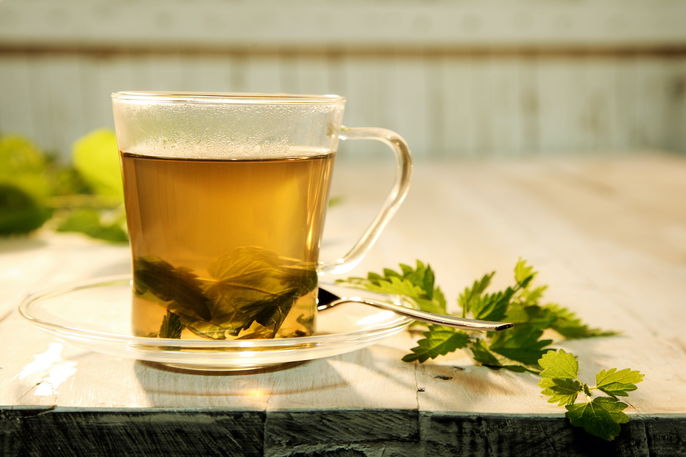
Stinging nettle tea is quick and easy to make, and can provide you with various health benefits.
Ingredients
- 1 tablespoon of dried stinging nettle leaves
- 1 cup of hot water
How to prepare
Add the dried stinging nettle leaves to the hot water and allow to soak for 10 minutes. Once it has cooled, strain the tea and drink up to 2 cups per day.
You can also reap the benefits of stinging nettle by taking it in a capsule form. You can take one 400 mg capsule, 2 to 3 times per day, as directed by your doctor.
Possible side effects
Stinging nettle side effects usually only emerge when this plant is consumed in very high quantities. Side effects may include stomach pain, diarrhea, constipation, allergies, and skin itching. In women, it can cause cramping and increased uterine contractions, and may be lead to a miscarriage if taken during pregnancy.
Stinging nettle can also decrease blood pressure levels and make blood pressure control more difficult in people with hypertension. It can also greatly reduce blood sugar levels, leading to hypoglycemia in diabetics.
Contraindications for use
Stinging nettle should not be used by pregnant women, as it can increase uterine contractions and lead to premature birth, fetal deformities or miscarriage. Nettle should also be avoided during breastfeeding, as the toxic effects in babies are still not entirely known.
This plant is not recommended for people with kidney problems or cardiac problems, as it can worsen these conditions.