


- Neonatal sepsis is a serious infection response in babies under 28 days, and early diagnosis can reduce the risk of septic shock and long-term complications.
- Warning signs that need urgent medical attention include fever or low temperature, trouble breathing, refusing feeds, extreme sleepiness (lethargy), or persistent high-pitched crying.
- Treatment is done in the hospital and may involve IV antibiotics (such as ampicillin with gentamicin or amikacin) and, when needed, antivirals (such as acyclovir or oseltamivir).
Neonatal sepsis is an excessive immune response to an infection in a newborn younger than 28 days. The infection may be caused by bacteria, viruses, or fungi and can occur during pregnancy, at birth, or after delivery through contact with contaminated people or objects.
A baby with neonatal sepsis may show symptoms such as fever or an unusually low body temperature. Other signs can include persistent crying, refusing to feed, lethargy, or a faster-than-normal heart rate.
Neonatal sepsis is treatable, and care should be provided by a neonatologist in the hospital. Treatment may include medications given directly into a vein, such as antibiotics or antivirals, including ampicillin, acyclovir, ribavirin, and oseltamivir.
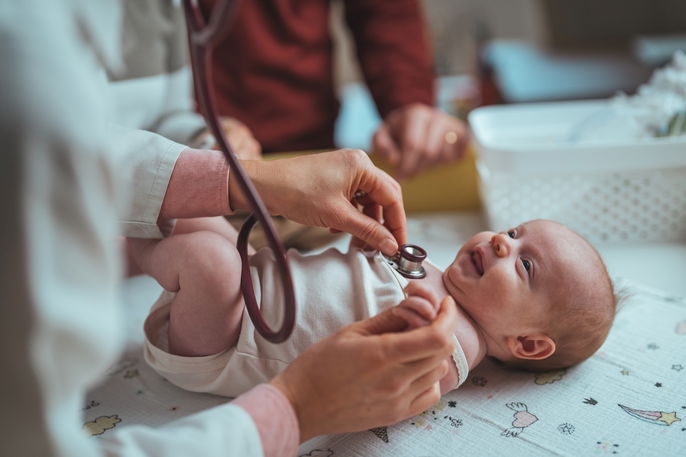
Main symptoms
The signs and symptoms of neonatal sepsis include:
-
Fever or low body temperature;
-
Increased heart rate;
-
Irritability;
-
Refusal to feed;
-
Persistent or high-pitched crying;
-
Lethargy;
-
Difficulty breathing.
A baby with neonatal sepsis may also have vomiting, diarrhea, yellowing of the eyes and skin (jaundice), and a swollen abdomen.
Is neonatal sepsis serious?
Neonatal sepsis is a serious condition that can cause complications and long-term effects if it is not diagnosed and treated early.
If neonatal sepsis is not treated promptly, the baby may develop septic shock. This is a severe complication in which a large amount of microbial toxins circulate in the blood and can lead to death.
Confirming a diagnosis
The diagnosis of neonatal sepsis is made by a pediatrician or neonatologist through a physical exam and an evaluation of the baby’s signs and symptoms.
To confirm the diagnosis, the doctor may also order tests such as blood culture, a complete blood count (CBC), C-reactive protein (CRP), urine culture, a lumbar puncture with analysis and culture of cerebrospinal fluid, and a chest X-ray.
Different types
The two types of neonatal sepsis include:
1. Early-onset neonatal sepsis
Early-onset neonatal sepsis is diagnosed within the first 72 completed hours of the baby’s life.
This type can happen during pregnancy or birth if certain bacteria are passed from the mother to the baby. These bacteria are often found naturally in the mother’s digestive or urinary systems.
2. Late-onset neonatal sepsis
Late-onset neonatal sepsis occurs after the first 72 hours of the baby’s life.
This type is usually caused by fungi, viruses, or bacteria from the environment that are passed to the newborn.
The use of catheters and other medical devices, as well as contact with healthcare professionals and family members, for example, can be associated with this type of sepsis.
Possible causes
Neonatal sepsis is caused by the transmission of bacteria, fungi, or viruses to the baby.
According to the CDC, Group B Streptococcus (GBS) and Escherichia coli (E. coli) are leading causes of early-onset neonatal sepsis. Fungal causes can include Candida, and viral causes can include enteroviruses, herpes simplex virus, influenza, and coronavirus, for example.
Transmission can occur during pregnancy or delivery, or after birth through contact with microorganisms present in the environment.
Some factors that may increase the risk of neonatal sepsis include:
-
Delivery before 37 weeks of pregnancy;
-
Rupture of chorioamniotic membranes for 18 hours or more;
-
Maternal fever within 48 hours before delivery;
-
Vaginal colonization with Group B Streptococcus during pregnancy;
-
Chorioamnionitis;
-
Untreated maternal urinary tract infection (UTI), or treatment started less than 72 hours earlier;
-
Use of catheters in the baby;
-
Prolonged hospitalization;
-
Invasive mechanical ventilation in the baby.
Low birth weight, meconium-stained amniotic fluid, traumatic delivery, perinatal (birth) asphyxia, the need for resuscitation and/or intubation at birth, and congenital anomalies are also risk factors for neonatal sepsis.
Treatment options
Neonatal sepsis is treatable, and treatment should be done in the hospital.
Treatment can include antibiotics given into a vein, such as ampicillin or crystalline penicillin G combined with gentamicin or amikacin, for 5 days to 4 weeks.
In cases of sepsis caused by viruses, the doctor may prescribe antivirals such as acyclovir, ribavirin, or oseltamivir, for example.
Potential complications
Possible complications of neonatal sepsis include:
-
Pulmonary hypertension;
-
Heart and kidney failure;
-
Cerebral infarction (stroke);
-
Retinopathy of prematurity;
-
Adrenal hemorrhage and/or adrenal insufficiency;
-
Bone marrow dysfunction;
-
Meningitis;
-
Vision and hearing impairments;
-
Low weight and short stature.
When neonatal sepsis is not diagnosed and treated early, it can also lead to septic shock and death.