


Mumps is a contagious viral infection caused by a virus from the Paramyxoviridae family. It typically causes swelling of the face between the ear and jaw, along with symptoms such as headache, fever, and general discomfort.
The mumps virus spreads from person to person through airborne droplets and usually affects children and teenagers. However, adults can also get mumps, even if they have been vaccinated.
Treatment for mumps, also known as parotitis, is managed by a pediatrician, primary care provider, or infectious disease specialist. It involves rest, plenty of fluids, and medications to relieve symptoms.
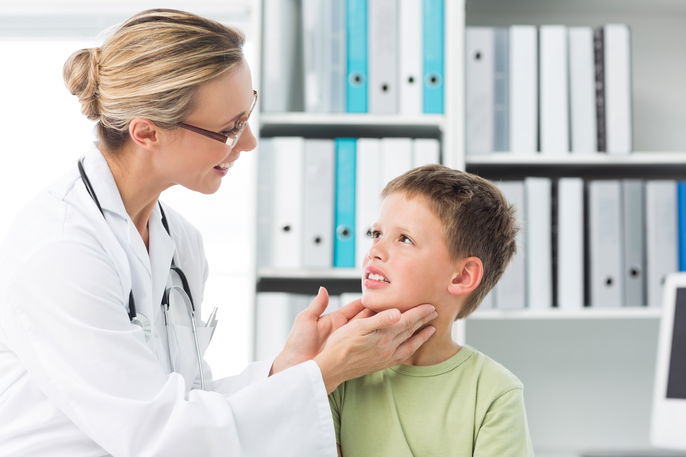
Mumps symptoms
The main symptoms of mumps include:
-
Swelling of the face, between the ear and jaw;
-
Pain in the face and head;
-
Pain when swallowing;
-
Pain when opening the mouth;
-
Fever.
Mumps symptoms usually appear 12 to 25 days after exposure to the virus. The facial swelling often feels soft and gelatinous when touched, reaching its peak between the third and seventh day and gradually subsiding afterward.
In some men, mumps can cause pain, swelling, discomfort, and warmth in the testicles, which may indicate that the infection has spread to the testicles and caused inflammation.
Confirming a diagnosis
A diagnosis of mumps is made by a pediatrician, primary care provider, or infectious disease specialist based on an evaluation of symptoms, when they began, possible contact with infected individuals, vaccination history, and a physical exam.
To confirm the diagnosis, a healthcare provider may order a blood test to check for antibodies against the Paramyxoviridae virus. This test also helps rule out other conditions with similar symptoms, such as influenza, parainfluenza, or HIV infection.
Other potential conditions
Several illnesses can be mistaken for mumps because they cause similar symptoms. These include influenza, pediatric HIV infection, rubella, meningitis, allergic reactions, or drug reactions.
Other conditions, such as measles, myocarditis, or mastoiditis, can also resemble mumps.
How it spreads
Mumps spreads through saliva droplets released into the air when an infected person talks, coughs, or sneezes. The virus can be transmitted from about two days before symptoms appear through five days after they begin.
The highest risk of transmission occurs from two days before through five days after the onset of parotitis (salivary gland swelling). For safety reasons, people with mumps should avoid close contact with others for at least five days after symptoms begin.
Is mumps contagious?
Yes. Mumps is contagious and spreads through direct contact with people infected with the Paramyxoviridae virus. The period of highest transmission is from two days before through five days after symptoms start.
Treatment options
Treatment for mumps should always be guided by a pediatrician, primary care provider, or infectious disease specialist. The goal of treatment is to relieve symptoms since there is no specific medication that eliminates the mumps virus.
A healthcare provider may recommend pain relievers such as acetaminophen to reduce discomfort and fever.
Other important measures include rest, drinking plenty of fluids, and eating soft foods until the body’s immune system eliminates the virus.
Home care
Some important self-care measures for mumps include:
-
Taking medications for mumps as prescribed by your doctor;
-
Drinking plenty of fluids and encouraging children to stay hydrated;
-
Eating soft or liquid foods;
-
Staying home for at least five days after symptoms begin (children should not attend school during this period);
-
Informing the school if your child has mumps;
-
Getting plenty of rest to help the body recover and fight the virus;
-
Avoiding aspirin (acetylsalicylic acid) in children and teenagers, as it can cause Reye’s syndrome;
-
Maintaining good oral hygiene using alcohol-free antiseptic mouthwash;
-
Applying warm or cold compresses to the neck to reduce swelling and discomfort.
If mumps spreads to the testicles, applying cold compresses and using a scrotal support to keep the scrotum elevated and still can help relieve pain.
Can you get mumps more than once?
Most people who have had mumps once develop lifelong immunity and are unlikely to become infected again.
Prevention measures
The main way to prevent mumps is through vaccination. The first dose of the MMR vaccine is recommended at 12–15 months of age, and the second dose at 4–6 years of age.
The MMR (measles, mumps, rubella) vaccine provides the best protection against mumps. It’s also important to disinfect objects contaminated with saliva, mucus, or throat secretions and to avoid contact with others if you are infected.
Can vaccinated people still get mumps?
The MMR vaccine provides about 86% protection against mumps after two doses. However, immunity may decrease over time, and outbreaks can occur among fully vaccinated people.
Adults who are frequently exposed to infected individuals, such as healthcare workers or college students, may need an additional (third) MMR dose during outbreaks to strengthen protection.
Is mumps dangerous?
Mumps can be dangerous because it may lead to complications such as:
-
Meningitis or encephalitis;
-
Orchitis (inflammation of the testicles);
-
Polyneuritis or Guillain-Barré syndrome;
-
Pneumonia;
-
Arthritis;
-
Parotid gland or thyroid inflammation.
Mumps may also cause mastitis (breast tissue infection) or, more rarely, ovarian inflammation (oophoritis). When mumps affects the testicles, it can lead to male infertility.
Getting mumps during pregnancy may slightly increase the risk of miscarriage, especially in the first trimester. Pregnant women should avoid close contact with people who have mumps or items that might carry the virus.
Women who are planning to become pregnant should ensure their vaccinations are up to date before becoming pregnant, as the MMR vaccine is contraindicated during pregnancy.