


Multiple sclerosis symptoms can include muscle weakness, severe fatigue, stiffness, muscle pain or spasms, vision problems such as eye twitching or double vision, difficulty speaking or swallowing, and mood changes.
Multiple sclerosis (MS) is a neurological autoimmune disease in which the immune system attacks the myelin sheath, the protective covering that surrounds nerve cells. This damage can disrupt nerve signaling and may lead to permanent nerve damage.
Treatment for multiple sclerosis should be guided by a specialist and usually includes medications such as anticonvulsants, corticosteroids, immunosuppressants, and muscle relaxants. Physical therapy sessions and regular exercise may also be recommended.
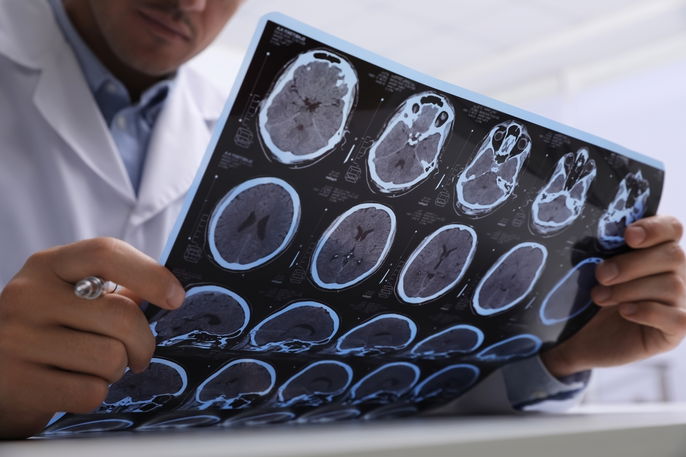
MS symptoms
The main symptoms of multiple sclerosis are:
-
Muscle weakness or cognitive difficulties
-
Extreme fatigue
-
Stiffness, pain, or muscle spasms
-
Eye twitching, double vision, or blurred vision
-
Urinary or fecal incontinence
-
Sexual dysfunction
-
Loss of balance
-
Pain, tingling, or pins-and-needles sensations in the legs or arms
-
Difficulty speaking and swallowing
-
Mood changes
-
Trouble with concentration, learning, thinking, and memory
-
A very tight squeezing sensation around the chest, known as the “MS hug”
Multiple sclerosis symptoms vary from person to person and may start over a few days and go away quickly, or develop more gradually over the years.
Symptoms may also get worse when a person is exposed to heat or has a fever, and may improve when body temperature returns to normal, according to the National Institute of Neurological Disorders and Stroke.
Early signs of MS
The first symptoms of multiple sclerosis are usually vision problems, such as blurred or double vision, or optic neuritis, as well as muscle weakness in the hands and legs and muscle stiffness with spasms.
Other MS symptoms that may appear early on include tingling, numbness, or pain in the arms, legs, trunk, or face, trouble keeping balance while walking, loss of bladder control, and dizziness.
What does MS pain feel like?
Multiple sclerosis pain may be neuropathic, which means it is caused by damage to nerves in the brain. This type of pain can include:
- Trigeminal neuralgia, which is a sudden, sharp, electric shock-like facial pain
- Lhermitte’s sign, which is an electric shock-like pain moving from the back of the head down the spine
- The “MS hug,” which is felt as a very tight squeezing sensation around the chest
- Paroxysmal spasms, which are painful muscle contractions in an arm or leg
- Dysesthesia, which may cause burning, tingling, stabbing, cold, or electric sensations in the legs, feet, arms, or hands
Multiple sclerosis pain may also be musculoskeletal, which is pain in the muscles and joints caused by weakness, stiffness, muscle spasms, or coordination problems that affect mobility.
These types of pain may be acute or chronic, exhausting, and can affect mood and the ability to carry out daily activities.
What causes MS symptoms?
Multiple sclerosis symptoms are caused by inflammation in certain areas of the nervous system that damages the myelin sheath, the protective covering around nerves and neurons.
This damage slows down and disrupts messages sent from the brain and spinal cord, leading to symptoms of MS.
Treatment options
Multiple sclerosis treatment should be guided by a neurologist and may include:
-
Corticosteroids, such as methylprednisolone, given directly into a vein
-
Immunosuppressants, such as dimethyl fumarate and fingolimod
-
Physical therapy sessions to help strengthen muscles
-
Pain relievers
In addition, the doctor may recommend regular exercise to help slow disease progression or prevent symptoms from appearing or worsening too quickly.
Based on guidelines from the National MS Society, rehabilitation strategies and ongoing treatment are part of comprehensive MS management.