


- Muscle spasms are sudden, painful contractions that often affect the calves, thighs, feet, or hands.
- Common causes include intense exercise, dehydration, pregnancy, low mineral levels, poor circulation, and certain medications.
- Seek medical care if spasms are severe, happen often, last longer than 10 minutes, or occur with swelling, redness, or muscle weakness.
Muscle spasms, also known as muscle cramps, are sudden, painful muscle contractions that often affect the calves, thighs, feet, or hands. Common causes include inactivity, intense exercise, dehydration, pregnancy, poor circulation, low mineral levels, and certain medications.
Most muscle spasms last only a few minutes and improve with measures such as gentle stretching, massage, hydration, or applying warmth to the affected muscle. Treatment depends on the cause, especially when spasms are linked to dehydration, mineral imbalances, medications, or circulation problems.
Muscle spasms are usually not serious, but frequent episodes, severe pain, swelling, redness, or muscle weakness may require medical evaluation. Spasms that occur without an obvious cause or last longer than expected should also be assessed to rule out an underlying health problem.
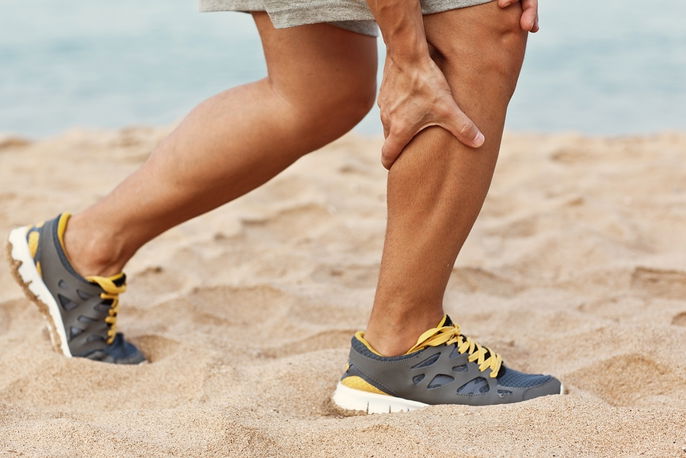
What causes muscle spasms?
The most common causes of muscle spasms include:
1. Inactivity
Starting a new exercise routine when you are not used to regular physical activity can put extra strain on your muscles. This can lead to muscle fatigue and increase the risk of muscle spasms.
What to do: Start gradually and, if needed, get guidance from a certified personal trainer. Consider talking to your healthcare provider before starting a new exercise program, especially if you have a health condition or have been inactive for a long time.
Warming up before exercise and stretching afterward can also help prepare your muscles and support recovery.
2. Intense exercise
Muscle spasms can occur when exercise is very intense or lasts for a long time. This may be related to muscle fatigue and changes in fluid and mineral levels during physical activity.
The spasms may happen during exercise or several hours afterward. Staying in the same position for a long time can also contribute to muscle spasms because the muscles are not moving regularly.
What to do: Stay well hydrated during physical activity. Warming up before exercise and stretching afterward can also help prepare the muscles, support recovery, and reduce muscle fatigue and spasms.
3. Dehydration
Muscle spasms can sometimes be a sign of mild or moderate dehydration, which happens when your body loses more fluids than it takes in.
This is more likely to occur in hot weather, after prolonged sweating, or when taking diuretics, which can increase fluid loss.
Other signs of dehydration may include dry mouth, increased thirst, decreased urination, and fatigue.
What to do: Drink fluids regularly throughout the day to stay hydrated, especially during exercise and in hot weather.
4. Low calcium or potassium levels
Calcium and potassium play an important role in helping your muscles contract and relax normally. When levels of these minerals are too low, muscle spasms may occur more often and sometimes without an obvious trigger.
Low calcium or potassium levels may be more likely during pregnancy, in people who take diuretics, or after frequent vomiting. They can also occur if your diet does not provide enough of these minerals.
What to do: Talk to a doctor or registered dietitian if you think your calcium or potassium levels may be low. If needed, they may recommend eating more calcium-rich foods and foods high in potassium or taking supplements.
5. Pregnancy
Muscle spasms are also common during pregnancy, especially in the later stages. They often affect the legs, ankles, and feet and may be more noticeable in the morning.
These spasms may be related to normal changes during pregnancy, including reduced blood flow in the legs as the growing uterus puts pressure on blood vessels in the pelvis.
What to do: Gently massage or stretch the affected calf by pointing the heel down and pulling the toes upward. A warm compress may also help relieve discomfort in the feet, ankles, or legs.
Staying well hydrated and eating a balanced diet with magnesium and other essential nutrients may also help. Calcium, magnesium, or vitamin B supplements should only be taken during pregnancy if recommended by a healthcare provider.
6. Poor circulation
Poor circulation can make muscle spasms more likely because reduced blood flow may limit the amount of oxygen reaching the muscles.
These spasms are more common in the legs, especially the calves.
What to do: Talk to a primary care provider, cardiologist, or vascular specialist to identify the cause of poor circulation. Depending on the cause, treatment may include wearing compression stockings, exercising regularly, reducing salt intake, or following other treatments recommended by your healthcare provider.
7. Use of medications
Some medications can contribute to muscle cramps. Diuretics such as furosemide can increase fluid loss and may lead to dehydration, while other medications may cause muscle cramps or involuntary muscle contractions as a side effect.
Medications that may be associated with muscle cramps include donepezil, neostigmine, raloxifene, nifedipine, terbutaline, albuterol, and lovastatin.
What to do: Talk to the healthcare provider who prescribed the medication. They can decide whether the dose needs to be adjusted or whether a different medication may be more appropriate. Do not stop taking a prescribed medication without medical guidance.
8. Tetanus
Although uncommon, tetanus can cause frequent and painful muscle spasms because the infection affects the nervous system.
Tetanus is caused by bacteria that enter the body through a cut or wound, especially a contaminated wound.
According to the Centers for Disease Control and Prevention (CDC), tetanus can cause painful muscle contractions, generalized spasms, muscle rigidity, and lockjaw.
What to do: Tetanus requires urgent medical care. Go to the nearest emergency room as soon as symptoms appear.
Treatment may include medications to neutralize the toxin, treat the bacterial infection, relieve muscle spasms, and prevent complications.
How to relieve
During a muscle spasm, the following measures may help relieve symptoms:
-
Gently massage the affected muscle
-
Stretch the muscle
-
Apply a warm compress when the spasm begins
-
Elevate the affected arm, hand, or leg until the spasm improves
-
Apply an ice pack after the spasm has passed if the muscle remains sore
These measures can help ease muscle spasms, and most muscle cramps do not require specific treatment.
Warning signs
In most cases, muscle spasms are not serious. However, they can sometimes be related to low levels of certain nutrients or an underlying health condition.
You should consult a healthcare provider if you experience:
-
Severe pain that does not improve after 10 minutes
-
Swelling or redness around the affected area
-
Muscle weakness after the spasm
-
Muscle spasms that occur frequently over several days
You should also see a primary care provider if muscle spasms happen without an obvious cause. They can check for possible mineral deficiencies, such as low magnesium or potassium, and other health conditions that may be contributing to the spasms.
