


- Sudden mottled skin with confusion, breathing difficulty, low blood pressure, reduced urine output, or cool extremities may signal septic or cardiogenic shock and requires emergency care.
- A cold, painful, pale or blue limb with numbness, weakness, or a missing pulse may indicate acute limb ischemia and needs immediate treatment.
- Abdominal mottling with severe pain, swelling, vomiting, or unstable blood pressure can point to a serious abdominal emergency and should be assessed urgently.
Mottled skin is a patchy, net-like or marbled change in skin color that may appear red, purple, blue or pale. It usually develops when blood flow through the small vessels close to the skin becomes uneven or reduced.
In some cases, mottled skin is a harmless response to cold or a benign blood vessel pattern that does not cause other symptoms. It can also be a defining sign of a congenital vascular condition or poor circulation affecting part of the body.
Treatment depends on the cause and may involve warming the skin, monitoring the condition or treating an underlying circulation problem. Urgent medical attention is needed when mottling appears suddenly with low blood pressure, breathing difficulty, confusion, severe abdominal pain, chest symptoms or a cold and painful limb.
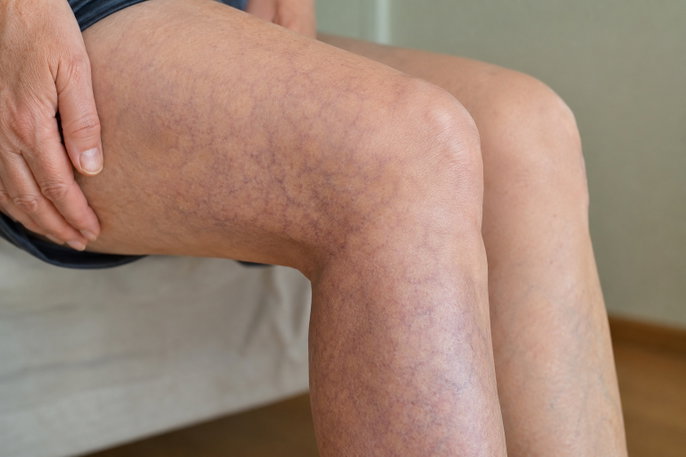
What causes mottled skin?
The main causes of mottled skin include:
1. Acute abdominal conditions
Localized mottling on the abdominal wall can occasionally be a warning sign of a serious problem inside the abdomen. It has been reported in conditions such as severe stomach enlargement and intestinal ischemia, in which blood flow and pressure changes affect the small vessels of the abdominal skin.
The mottled area may appear with sudden abdominal pain, marked swelling, vomiting or unstable blood pressure. Breathing difficulty and other signs of poor circulation may develop when the abdominal condition is severe.
How to treat: Abdominal wall mottling with severe abdominal symptoms requires emergency assessment. Treatment may involve inserting a tube through the nose to decompress the stomach or performing urgent endoscopic or surgical procedures. Rapid identification and treatment of the underlying cause are important to reduce the risk of tissue damage and other complications.
2. Septic shock
Septic shock is a serious complication of infection in which blood pressure and blood flow to the organs become dangerously low. Mottled skin around the knees and thighs is an important sign of poor circulation and may spread upward toward the abdomen as the condition becomes more severe.
Other symptoms can include low blood pressure, confusion, reduced urine output, breathing difficulty and cool hands or feet. Delayed capillary refill and blue or gray discoloration may also occur, and persistent mottling is associated with a greater risk of organ failure and death.
How to treat: Septic shock requires immediate treatment in a hospital. Treatment includes intravenous fluids, antibiotics, medication to raise blood pressure and control of the source of infection. Oxygen, mechanical ventilation or kidney support may be needed when organs are affected.
3. Cardiogenic shock
Cardiogenic shock occurs when the heart cannot pump enough blood to meet the body’s needs, often because of a severe heart attack or advanced heart failure. Reduced cardiac output can cause patchy mottled skin, especially on the legs and other dependent areas.
Possible symptoms include very low blood pressure, a fast heart rate, cold sweats, breathlessness and reduced urine production. Fluid in the lungs, raised neck veins, confusion and cool extremities may also develop because the organs are not receiving enough oxygen-rich blood.
How to treat: Cardiogenic shock is a medical emergency that requires treatment in a hospital. Medication may be used to improve heart contraction and support blood pressure, and some people require mechanical circulatory support. When a blocked coronary artery is responsible, emergency treatment to restore blood flow to the heart may be necessary.
4. Peripheral arterial disease
Peripheral arterial disease develops when narrowed or blocked arteries reduce blood flow to the legs or, less commonly, the arms. In advanced disease, the affected limb may become pale, blue, dusky or mottled because the tissues are receiving too little oxygen.
Chronic disease may cause leg pain during walking, pain at rest, weak pulses, cool skin and wounds that heal slowly. Acute limb ischemia begins suddenly and can cause severe pain, loss of a pulse, numbness, weakness or paralysis together with cold, mottled skin.
How to treat: Chronic peripheral arterial disease may be managed with smoking cessation, exercise, cholesterol-lowering medication and antiplatelet treatment. Severe blockages may require angioplasty, a stent or bypass surgery. Sudden mottling with intense limb pain, cold skin or loss of a pulse requires emergency treatment to restore blood flow and prevent tissue loss.
5. Bier spots
Bier spots are small, irregular pale areas that appear against a red or mottled background, usually on the arms or legs. They are thought to result from temporary changes in the way small blood vessels respond when a limb is hanging downward.
These spots are generally painless and do not cause itching or other systemic symptoms. They usually fade or disappear when the affected limb is raised.
How to treat: Treatment is not normally necessary because Bier spots are considered a benign vascular finding. Reassurance may be sufficient when the appearance is typical and there are no additional symptoms. Medical evaluation may be appropriate when the spots are persistent, unusual or accompanied by pain or signs of another illness.
6. Idiopathic livedo reticularis
Idiopathic livedo reticularis causes a reddish-blue or purple, net-like pattern on the skin without an identifiable underlying disease. The mottling is usually seen on the legs and buttocks, although it may also affect the arms, and it can become more noticeable in cold temperatures or while standing.
Most people do not have other symptoms. However, some forms can cause tenderness or pain, while ulcers, joint symptoms or neurological problems may suggest that the livedo is related to another condition rather than being idiopathic.
How to treat: Benign cases may only require keeping the body warm, avoiding smoking and monitoring the skin for changes. Medical testing may be needed if the mottling persists, becomes painful or occurs with other symptoms. When an underlying disease is identified, treatment is directed at that condition.
7. Cutis marmorata telangiectatica congenita
Cutis marmorata telangiectatica congenita, also known as CMTC, is a rare blood vessel malformation that is present at birth or appears shortly afterward. It causes fixed purple or reddish-blue mottled skin, commonly affecting one limb or one side of the body, and the pattern does not disappear when the skin is warmed.
Additional findings may include thinner skin, ulcers or a difference in the size or length of the affected limb. Some children can also have eye, neurological or developmental abnormalities, although many associated changes are minor.
How to treat: There is no specific treatment needed to remove the mottled pattern, which often becomes lighter during the first few years of life. Regular medical follow-up may be recommended to check the eyes, nervous system and growth of the affected limb. Ulcers require wound care, while significant limb differences may need orthopedic treatment.
8. Physiologic cutis marmorata
Physiologic cutis marmorata is a normal reaction to cold that mainly occurs in babies. It creates a widespread red or blue marbled pattern because the small blood vessels in the skin are not yet able to regulate blood flow efficiently.
The baby is generally healthy and has no other symptoms, and the skin returns to its normal color after warming. This pattern may be more visible in premature babies and can sometimes occur with bluish hands or feet.
How to treat: Gently warming the baby and protecting the skin from cold are usually sufficient. Medication or other medical treatment is not required when the pattern disappears completely with warmth. Persistent, fixed or one-sided mottling should be assessed to rule out CMTC or another vascular condition.
