


Mosquito repellent plants, such as lavender, basil, mint, and sage, contain essential oils that act as natural repellents to help keep mosquitoes, moths, flies, and fleas away.
These plants may help repel the Aedes aegypti mosquito, which transmits dengue, Zika, and chikungunya. However, other protective measures are also important, such as applying insect repellent to exposed skin and eliminating standing water around the home.
In addition to repelling insects, these plants can also be used to season food, prepare sauces, make teas and infusions, and decorate the home. They are easy to grow at home in pots or small gardens.
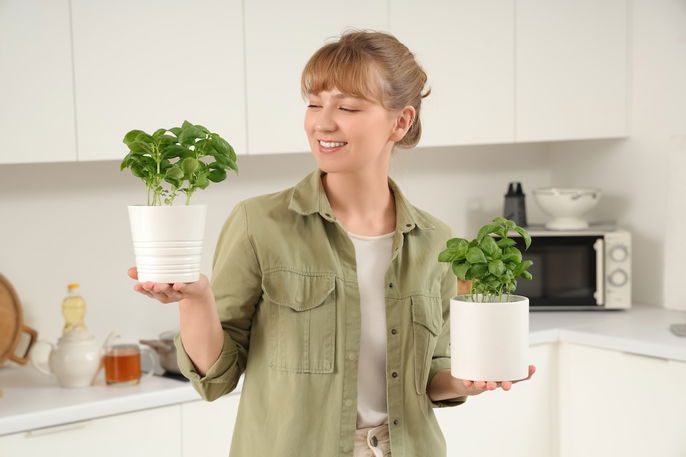
6 mosquito repellent plants
Some plants that repel mosquitos are:
1. Lavender
Lavender is a plant with purple, pink, or white flowers that naturally repels flies, fleas, and moths. It can also be used to decorate and add fragrance to indoor spaces.
Its flowers and leaves can be used to flavor dishes such as salads or sauces.
Lavender can be planted in small pots or hanging baskets and placed near a sunny window in the kitchen or living room, as it needs a few hours of sunlight each day to grow well and bloom.
How to plant: To grow lavender, place the seeds on the soil and press gently so they are about 1 to 2 cm deep. Water the soil lightly to keep it slightly moist.
In the early stages, the soil should be kept lightly moist at all times. Once the plant starts growing leaves, it only needs to be watered 1 to 2 times a week.
2. Basil
Basil is a natural mosquito and fly repellent.
It also makes a great kitchen herb for salads, sauces, or pasta dishes. A few basil leaves can be added to Bolognese sauce or used in chicken and pineapple skewers, for example.
Basil can be planted in medium or large pots and placed on a balcony or near a window, as it needs direct sunlight to grow.
How to plant: Basil can be grown from seeds or from a healthy sprig placed in water for a few days until roots form. It can then be planted in soil.
The soil should be kept moist but not soaked. Avoid watering directly on the plant; water the soil instead.
3. Mint
Common mint (Mentha spicata) naturally repels flies, fleas, rats, mice, and ants. It is also a popular ingredient for teas, cocktails like mojitos, and cooking.
Mint can be grown in small garden beds or pots of various sizes, and should be kept in areas with some shade, as it prefers cooler temperatures.
How to plant: Mint is typically grown from healthy sprigs planted directly into the soil.
The soil should be kept moist, but not overly wet.
Also recommended: Peppermint Tea: 7 Health Benefits & How to Prepare tuasaude.com/en/peppermint-tea4. Thyme
Thyme is a mosquito repellent plant that helps keep several types of insects away. It can also be used in cooking, in salads, pasta dishes, or teas made from its chopped leaves.
Also recommended: Thyme Benefits: Uses, Health Effects & Safety tuasaude.com/en/thyme-benefitsThyme can be grown in medium or large pots placed in areas with both sun and shade, such as balconies or near windows.
How to plant: To grow thyme, place the seeds on the soil and gently press them about 1 to 2 cm deep. Then water to keep the soil slightly moist.
Thyme prefers moist soil, but it is also tolerant of occasional dryness between waterings.
5. Sage
Sage, also known as garden sage, is a natural repellent that helps keep away many types of insects. It can also be used to season foods or make herbal teas.
Sage can be planted in small pots placed near a sunny window or on a balcony, as it requires direct sunlight for part of the day to grow well.
How to plant: Sage is typically grown from seeds, planted 1 to 2 cm deep in the soil. Water lightly to keep the soil slightly moist.
The soil should be kept moist whenever possible.
6. Lemongrass
Lemongrass, also called citronella grass, is a tropical plant that can act as a mosquito repellent.
To use it as a repellent, simply crush a few of the leaves to release the plant’s essential oil, which works as a natural insect repellent.
Lemongrass grows well in large pots that can be placed near a window or on a balcony to receive some sunlight daily.
How to plant: Lemongrass can be planted using seeds or rooted stalks. Once placed in the soil, water lightly to keep the soil slightly moist.
How to benefit from mosquito repellent plants
To enjoy the repellent effects of these plants, they can be placed in the yard or in pots around the living room, kitchen, or even near bedroom windows.
However, for effective protection against Aedes aegypti, which transmits dengue, Zika, and chikungunya, it is essential to use FDA-approved insect repellents on the skin.